[ CaSE StuDy ]

FIFA WWC

McDonalds

//

2023

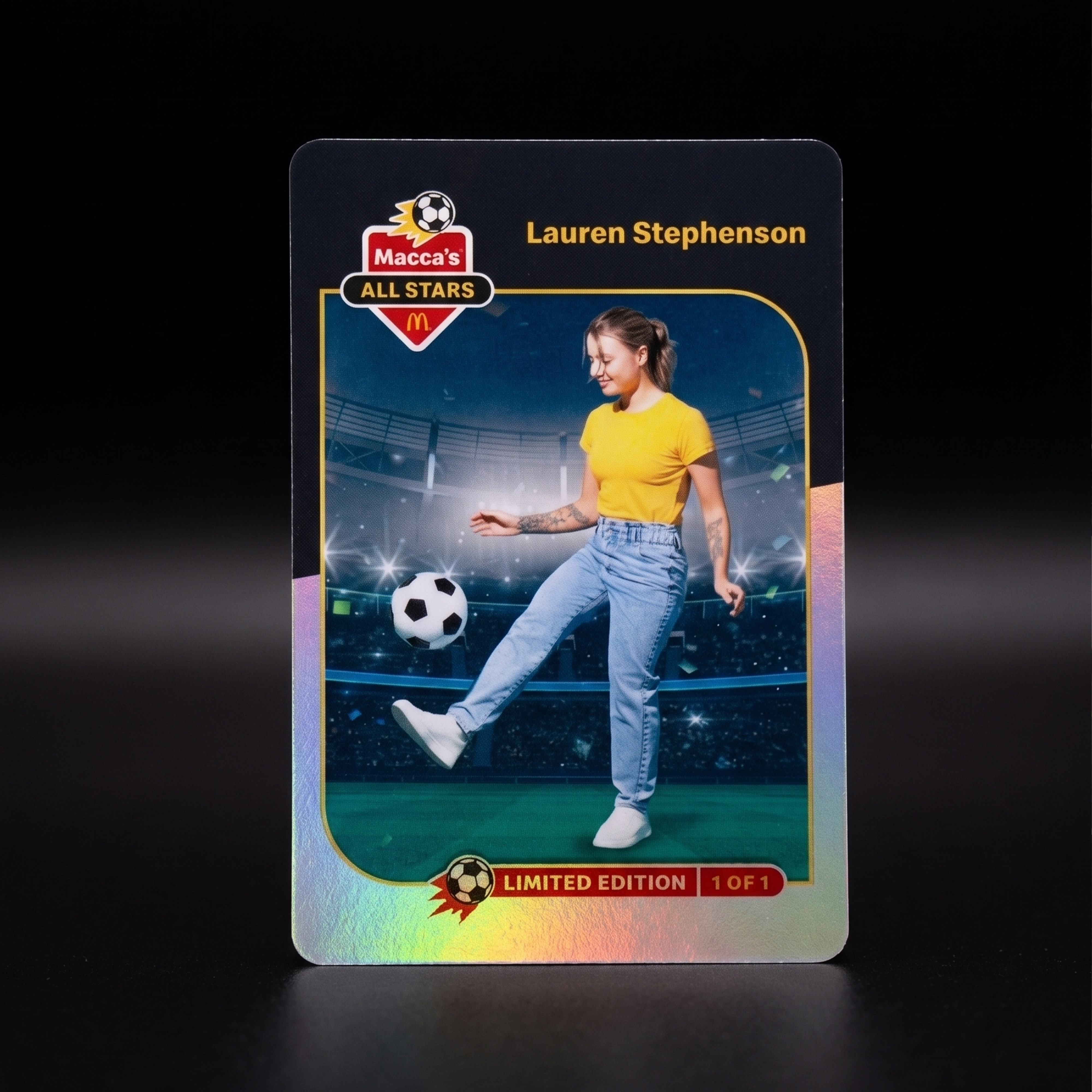
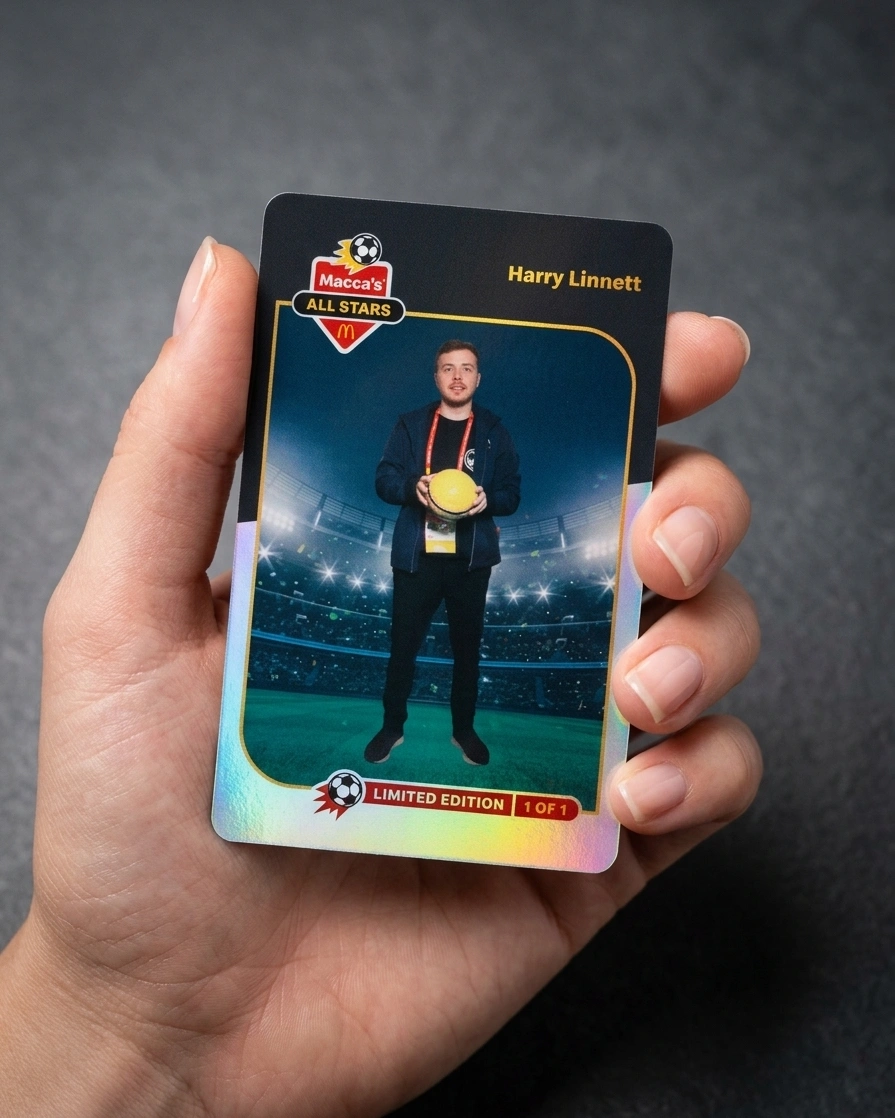
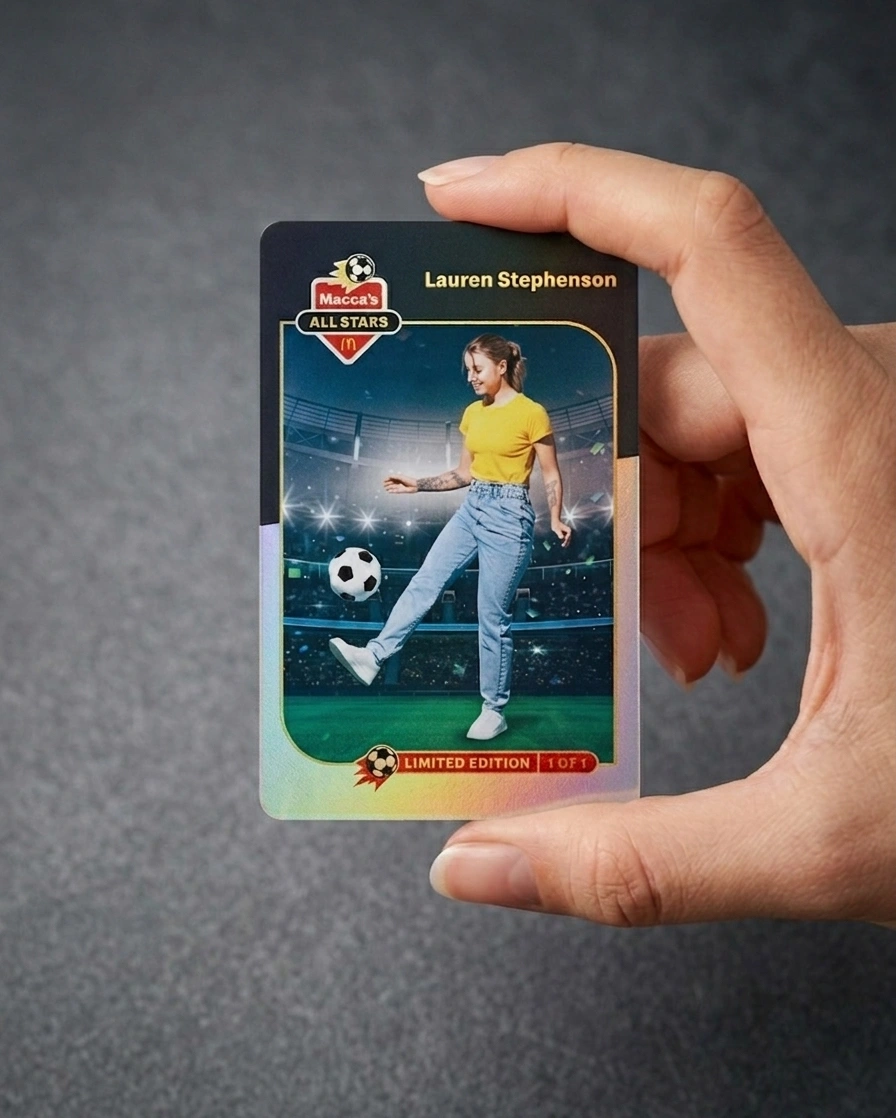
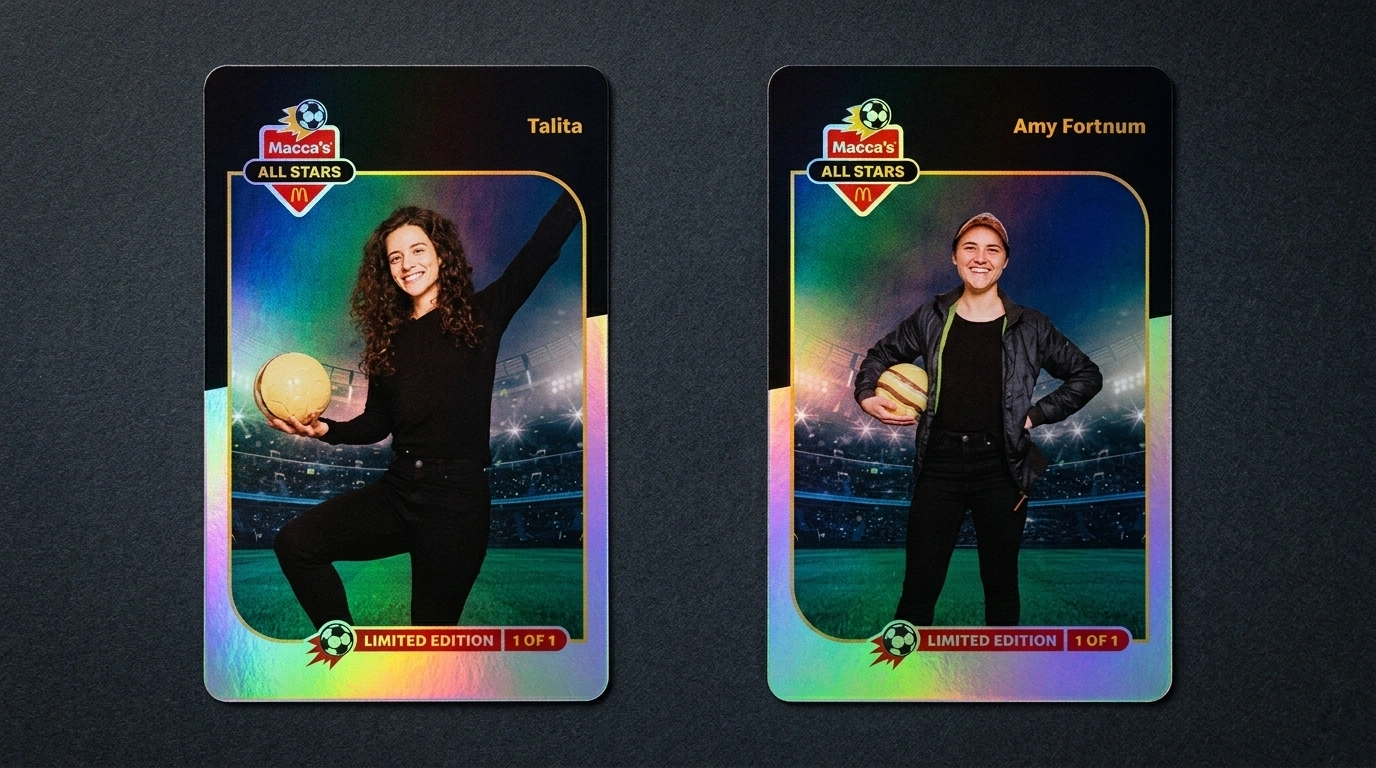
In 2023, McDonald's approached us to deliver a premium, custom trading card experience - personalised with each participant's name and produced double-sided with holographic detailing. A standard paper print was not an option; the output had to feel premium, durable and collectible, like their FIFA player card.

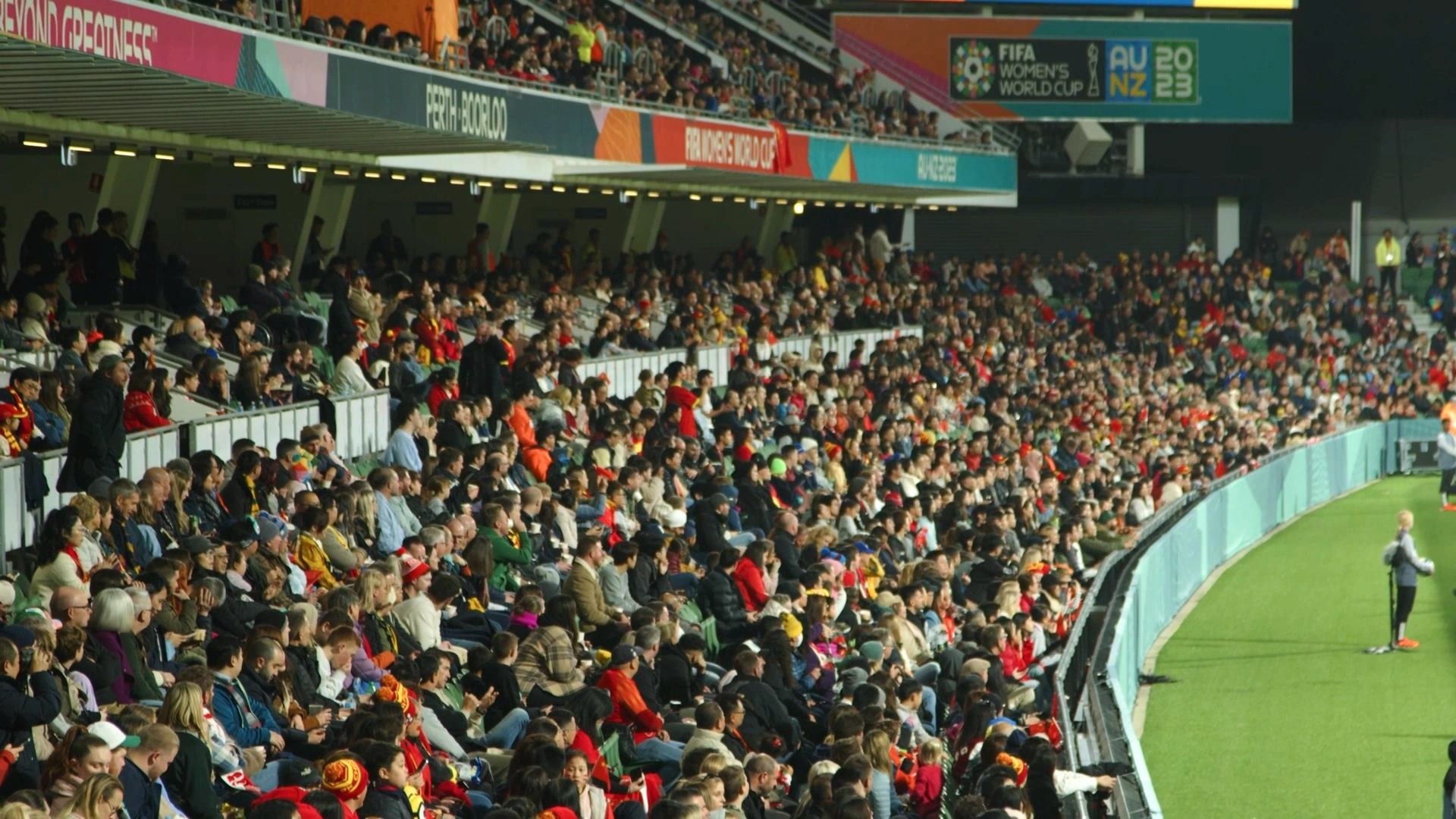
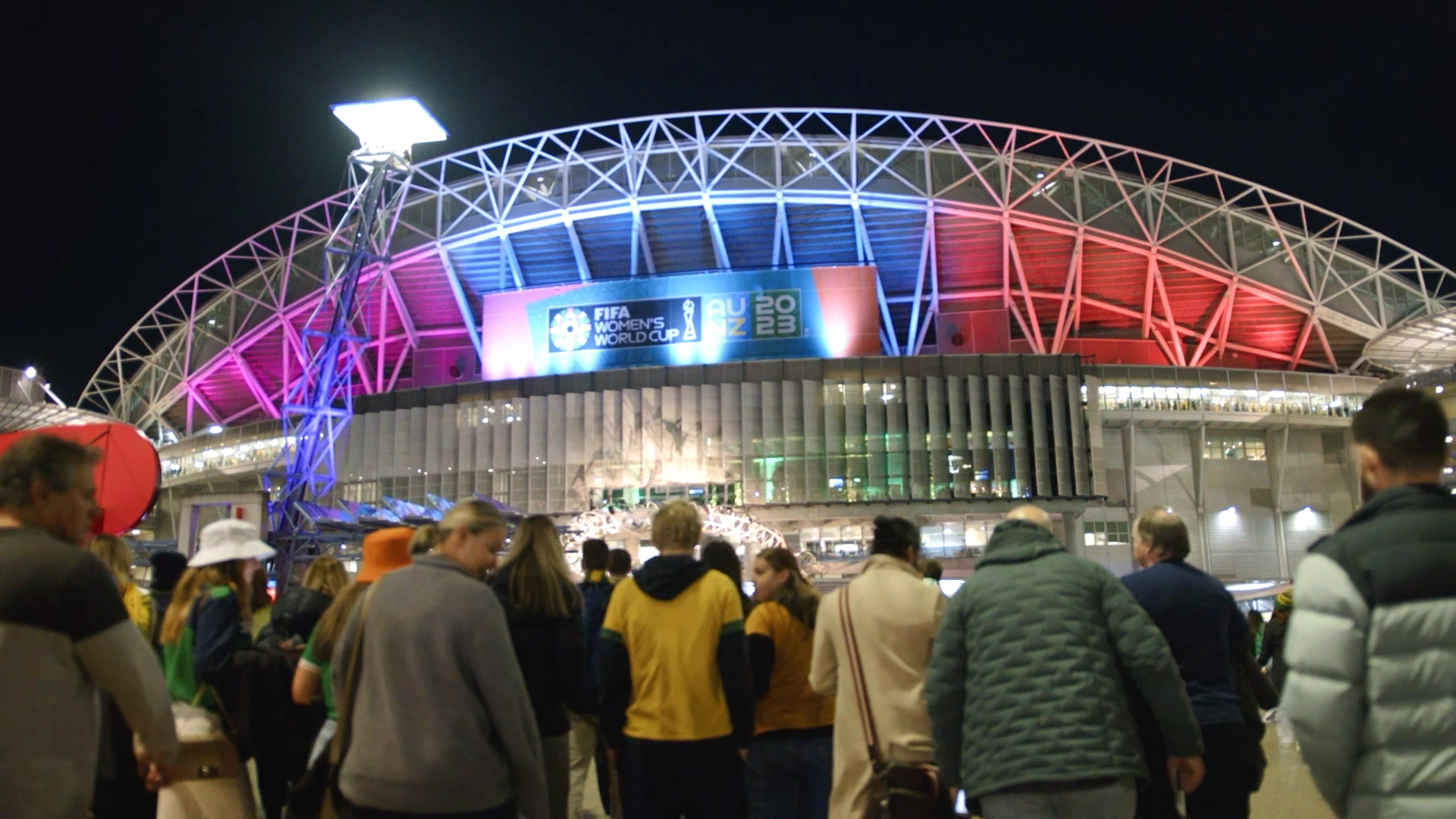
Beyond the product itself, the operation needed to be seamless at scale - it would be the first time the FIFA Women's World Cup would be held in Australia and New Zealand, and our client wanted to make a statement. The activation needed to be rolled out across 6 locations throughout both countries, delivering a total of 42 live event deployments.

[

Project planning

]

Project considerations

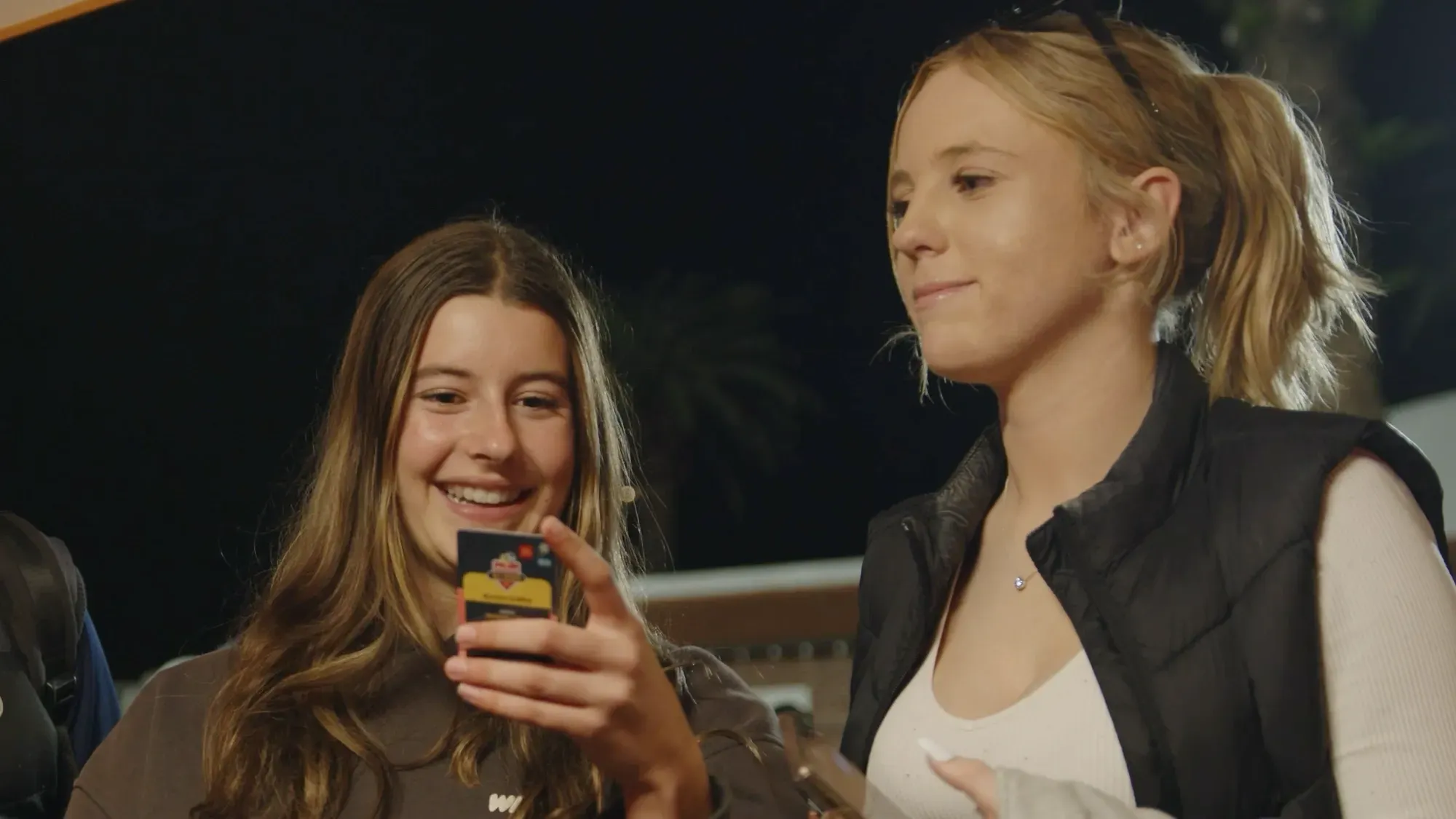
Our concept, in conjunction with our activation agency partner Akcelo, was to transform each fan into the star of their own custom FIFA Women's World Cup player card. Guests stepped in for a photo and received a personalised trading card featuring their name on the front and back, produced instantly on a durable, non-paper card stock with holographic detailing within 1 minute.

With only 6 weeks to design, build and deploy the system, we needed to develop a custom production workflow combining a bespoke Photo-Booth solution, custom software and coordinated teams across every location. One of the biggest challenges was delivering this premium output consistently across 6 locations (Adelaide, Melbourne, Sydney, Perth, Brisbane and Auckland) in Australia and New Zealand, spanning 42 live activations during the tournament.

Extremely short time constraint - 6 weeks from concept to deployment.

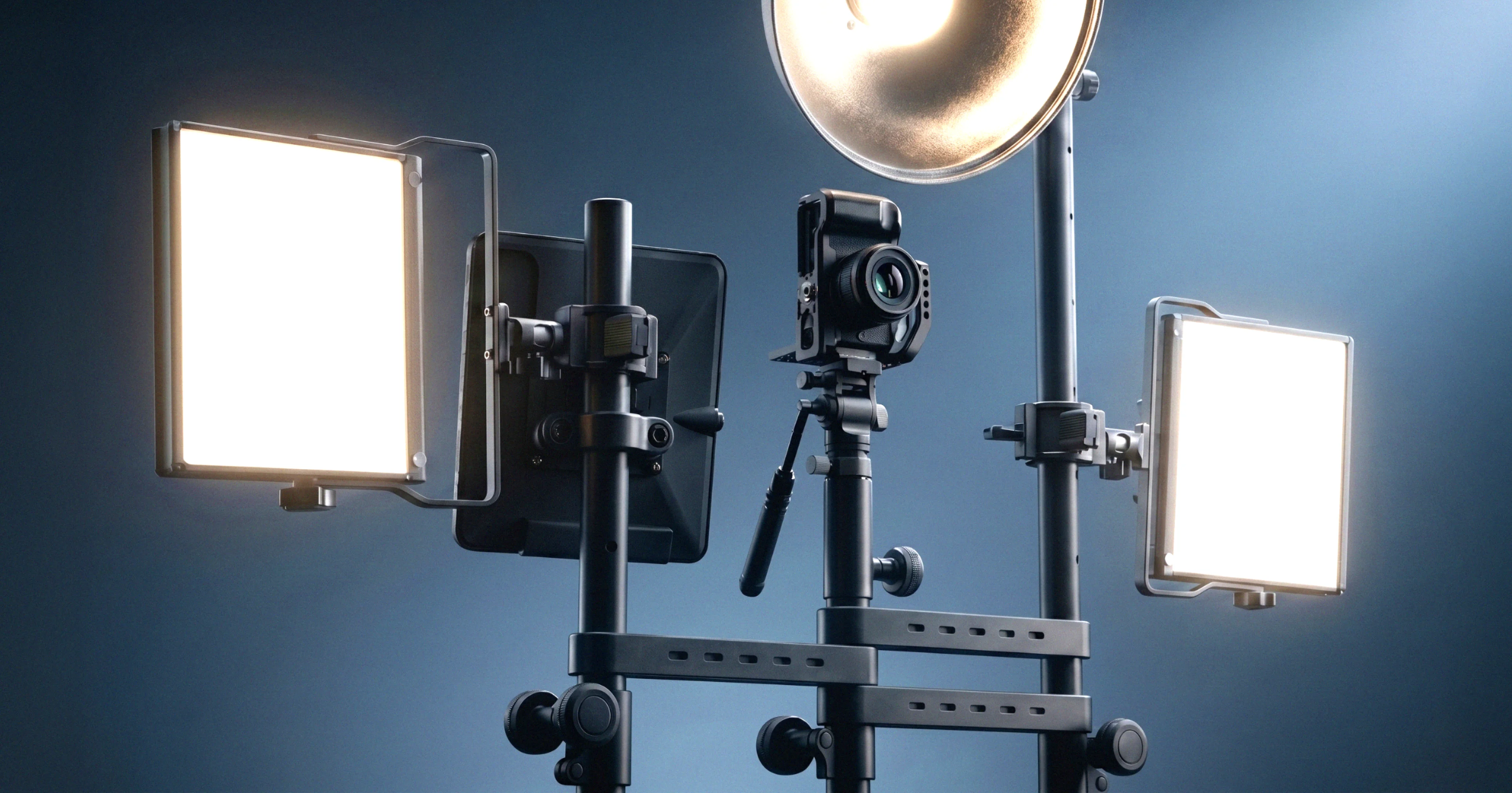
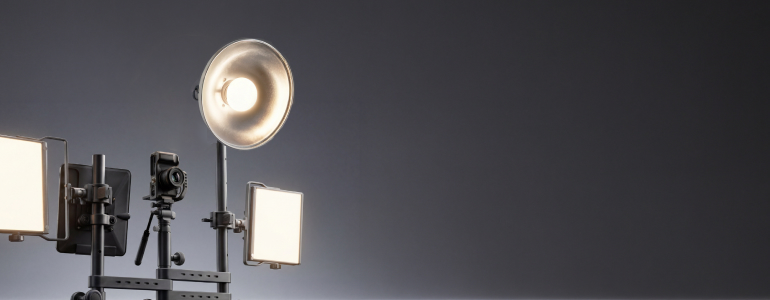
Design and build a specialised Photo-Booth camera rig to capture consistent, professional sports portrait-style images

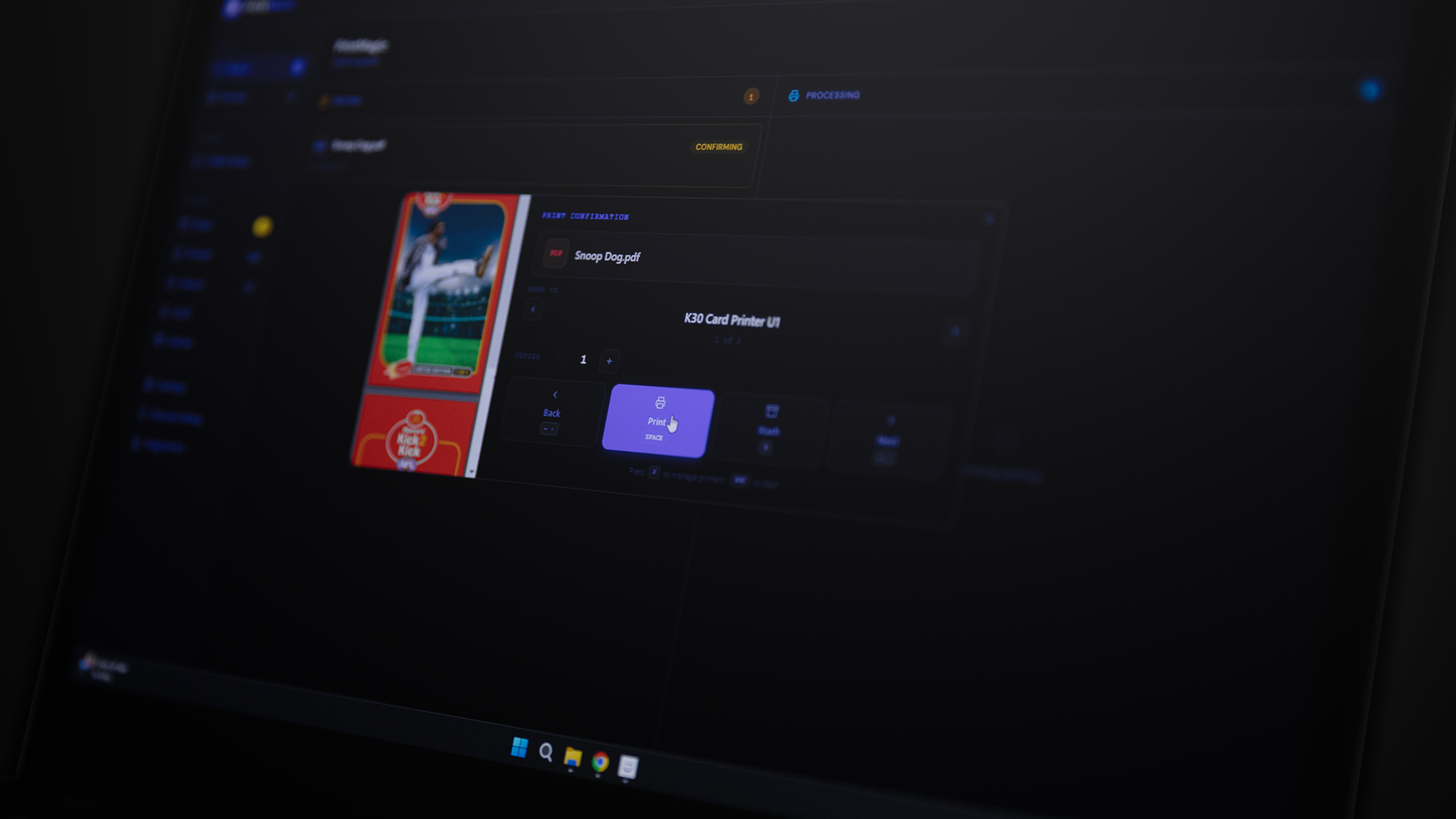
Create print pooling software that automatically routes print files to available printers

Build an SMS notification system to alert users when their card is ready for collection

Establish a print alignment process for offset-printed holographic cards

Coordinate logistics and staffing across 6 cities in Australia and New Zealand

Create a concise and consistent training program for deployment across all six event teams

Deliver the activation across 6 cities in Australia and New Zealand over a 2-month campaign

[

Product scope

]

Solutions used

Snap Rig Pro

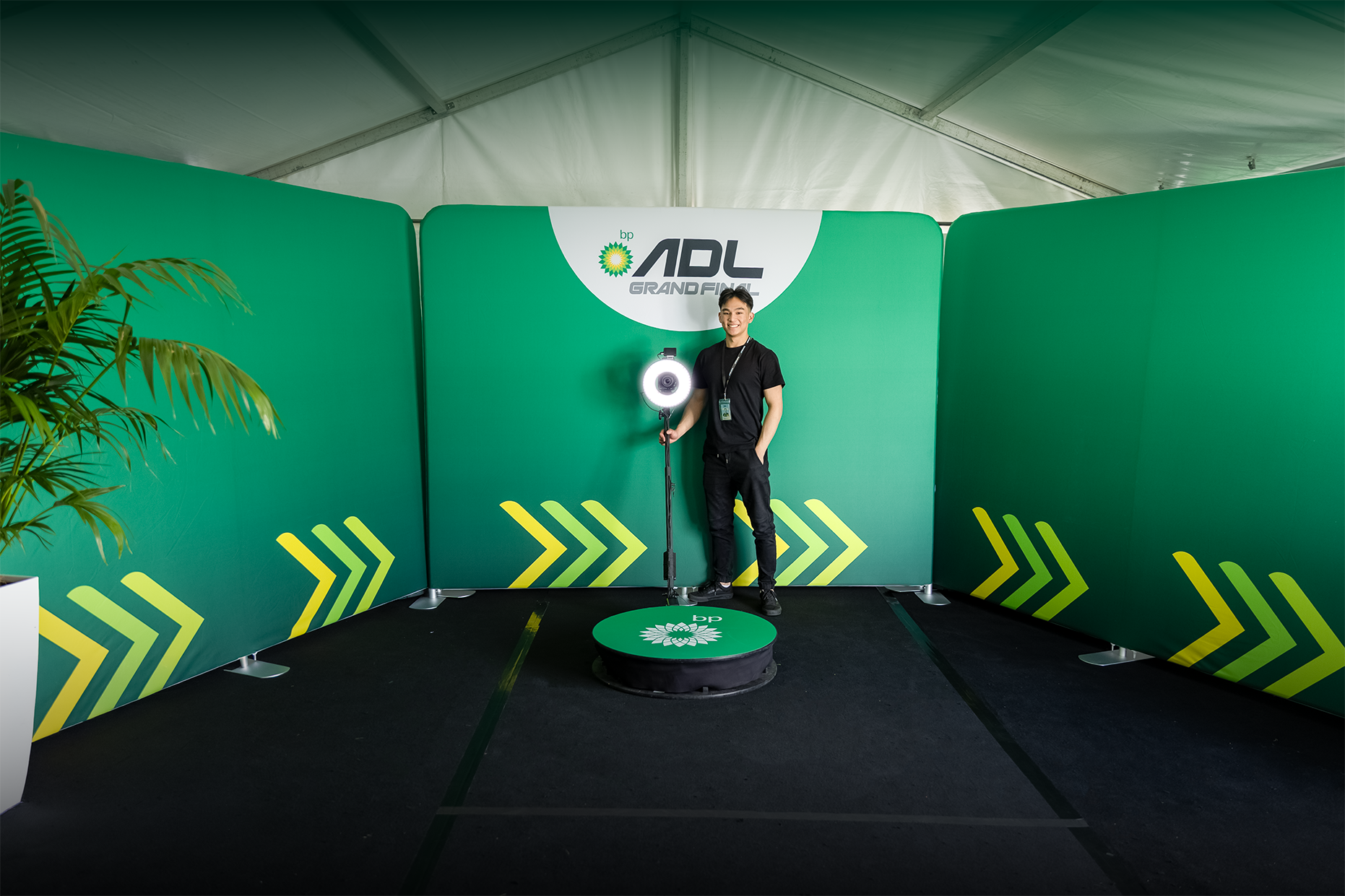
Our premium camera setup. Powered by a modular rig with full control over composition, positioning and lighting. Delivers polished, high-resolution results that go far beyond the expectations of a typical photo booth.

More info
More info

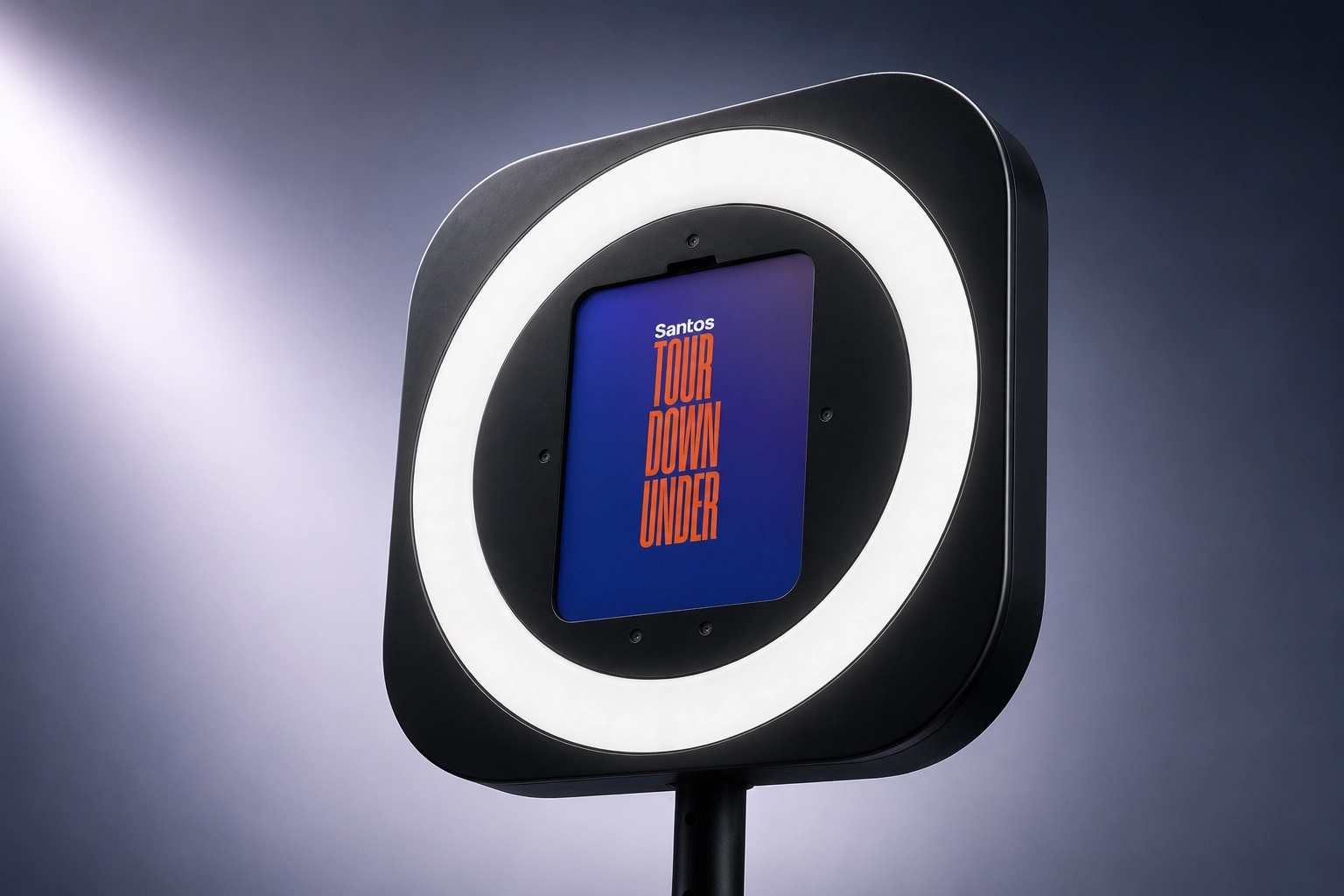
GIF Booth

Our most versitile compact camera system. Capture stills, GIFs, or boomerangs — each customised to match your campaign. Designed to deliver instant, share-ready content.

More info
More info

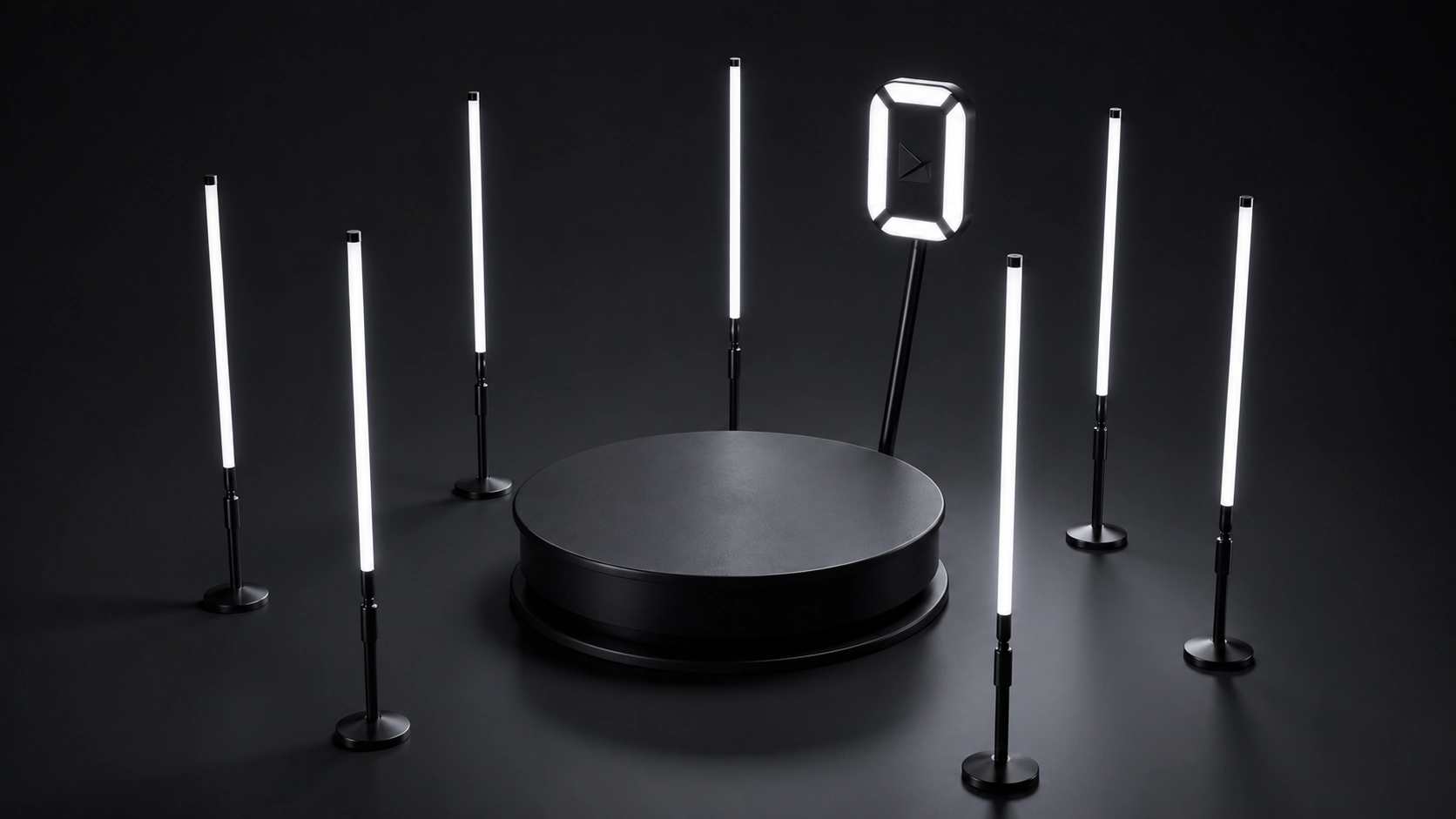
360 Pro

A premium 360° video experience built for high-impact activations. Step onto the platform as 360 Pro captures smooth, high-frame-rate footage from every angle. Delivers fully produced, share-ready videos within seconds - complete with music, effects and a bit of flair.

More info
More info

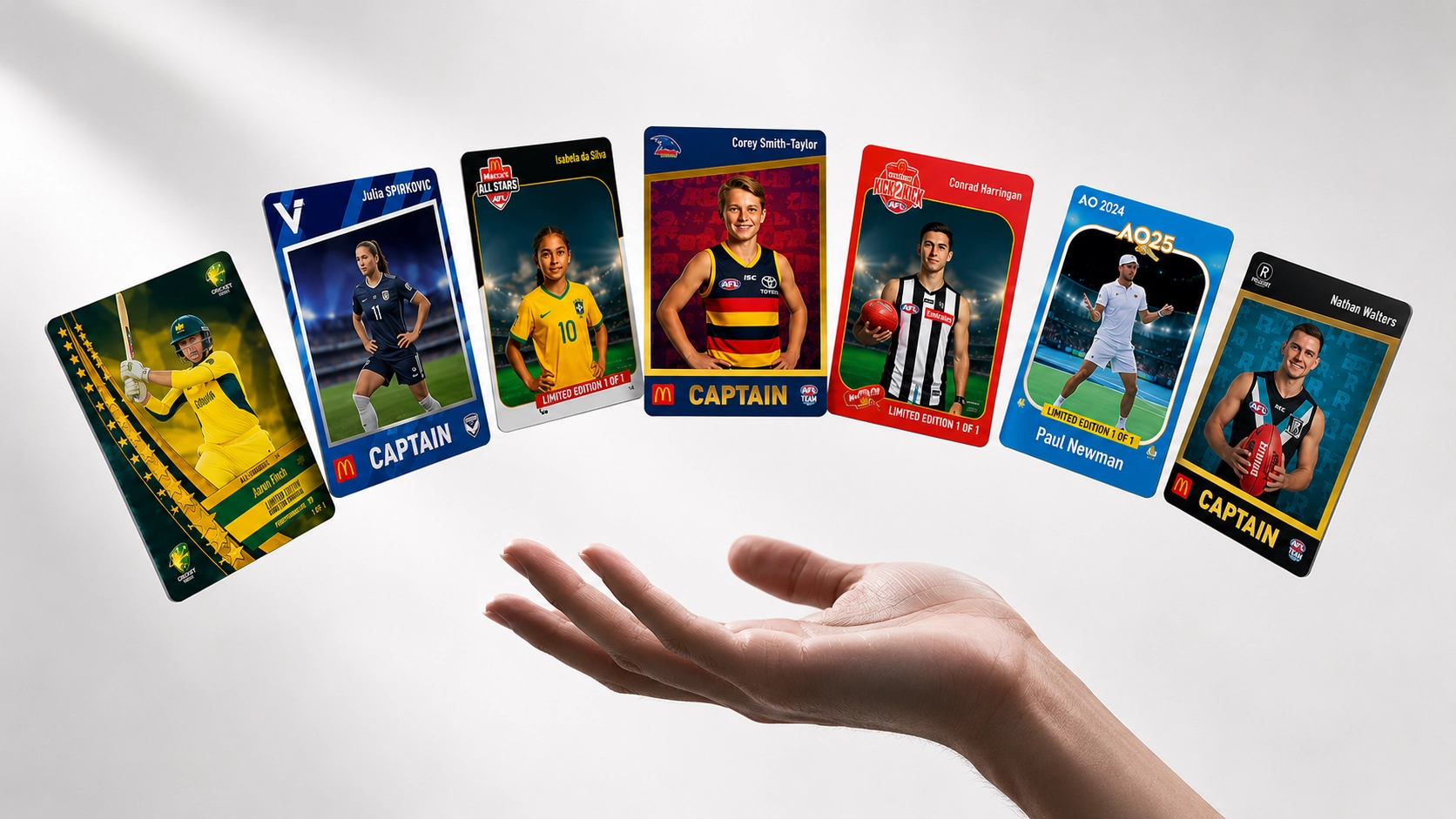
Instacard

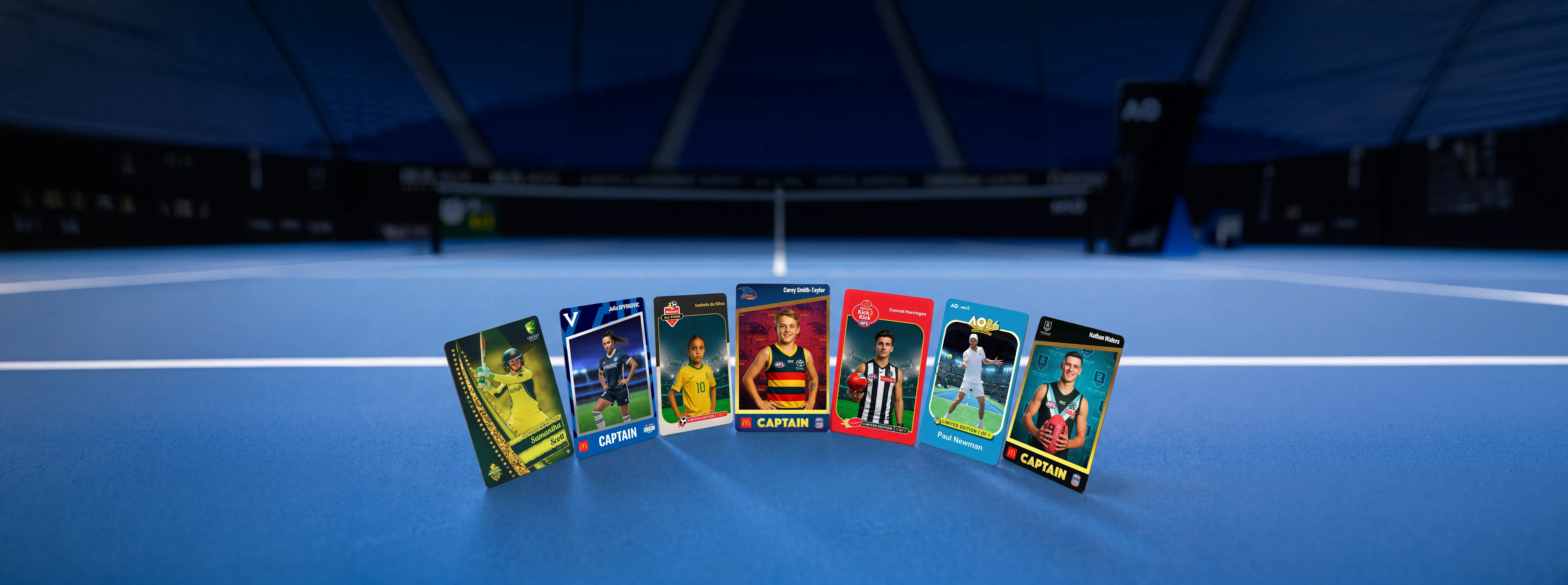
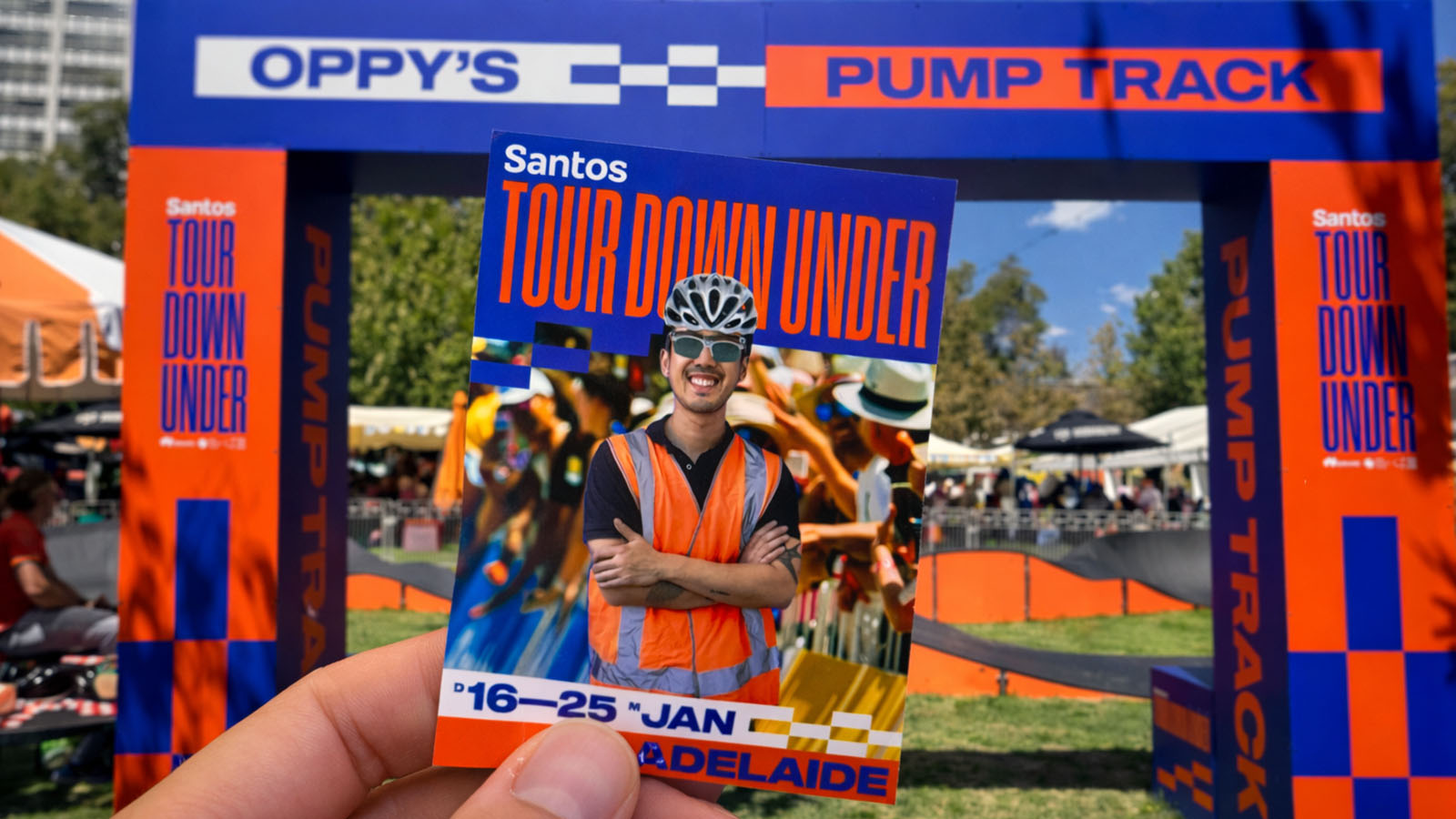
Turn guests into the star of their own sports trading card. Produced instantly on premium stock that feels like the real thing. Keep, share and show off.

More info
More info

PicAIsso

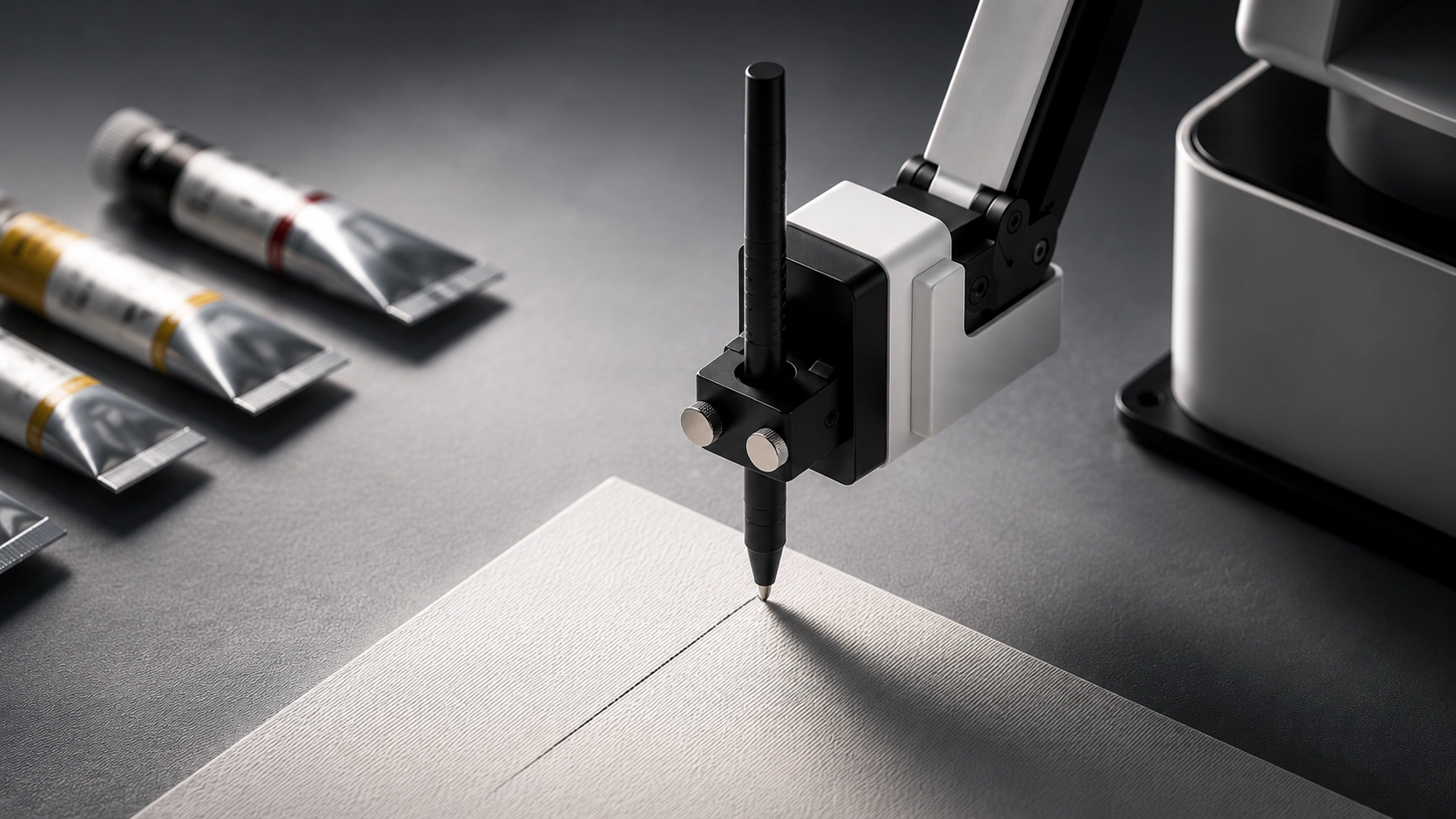
A robotic artist transforms guest portraits into live-drawn artwork. After a quick photo, an AI-powered system analyses the image and begins sketching it line-by-line in real time. Turning the drawing process into the show, PicAIsso creates a moment that draws a crowd and delivers a personalised keepsake.

More info
More info

AI Mirror

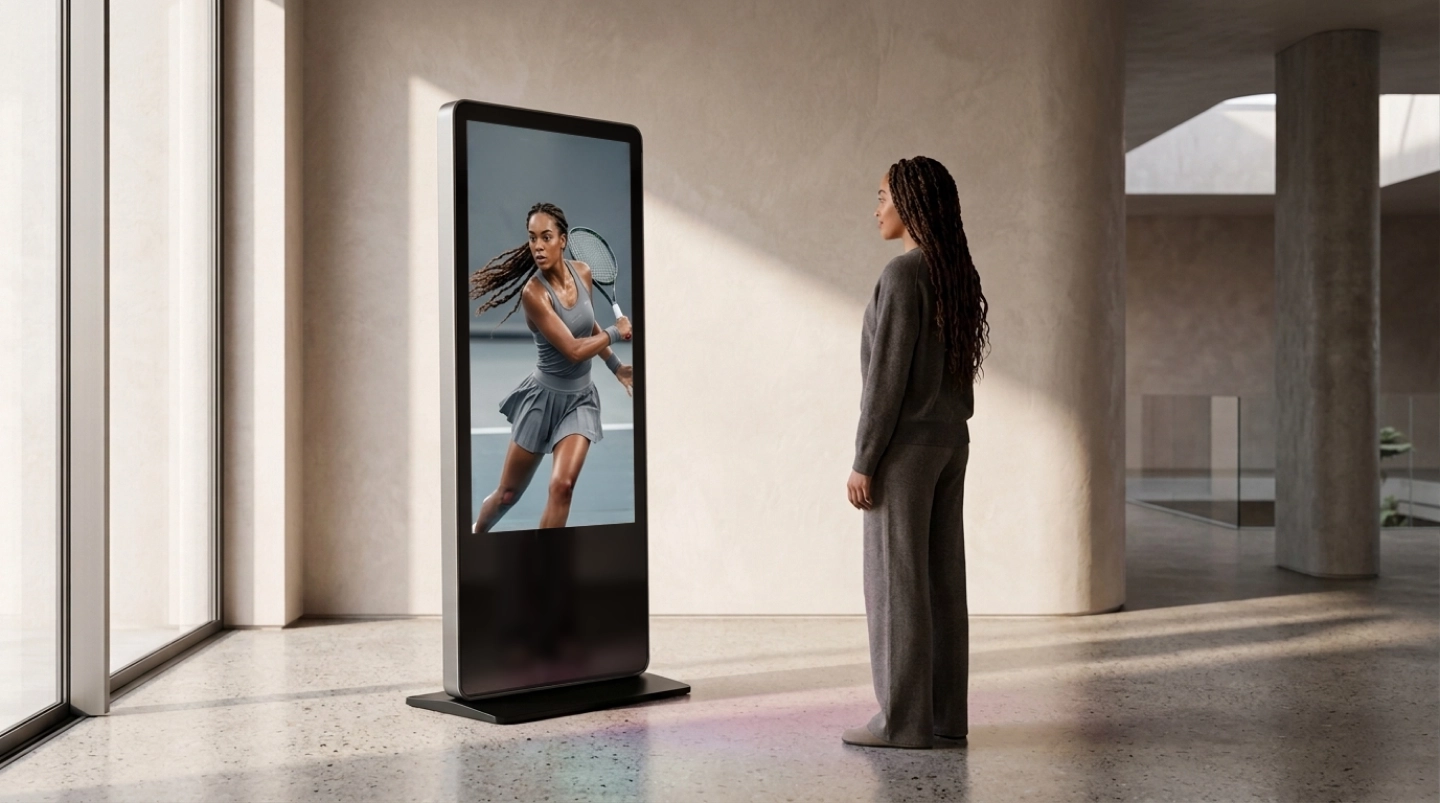
A mirror-style photo experience that transforms guests in real time. Step up and watch as branded, AI styling is applied instantly - no waiting, no post-processing.

More info
More info

Instant Player Card

The most hyped Photo-Booth concept ever.

Learn more
Learn more

Snap Rig Pro

Professional Photo-Booth capture.

Learn more
Learn more

Development

Phase 1:

Experience & Production Design

The first step was designing a trading card experience that felt authentic to football fans attending the FIFA Women's World Cup. McDonald's wanted a premium collectible rather than a disposable print, which meant engineering a durable card format with holographic detailing and double-sided graphics. At the same time, the system had to be capable of producing cards quickly enough to handle large stadium crowds.

Phase 2:

Custom Hardware Development

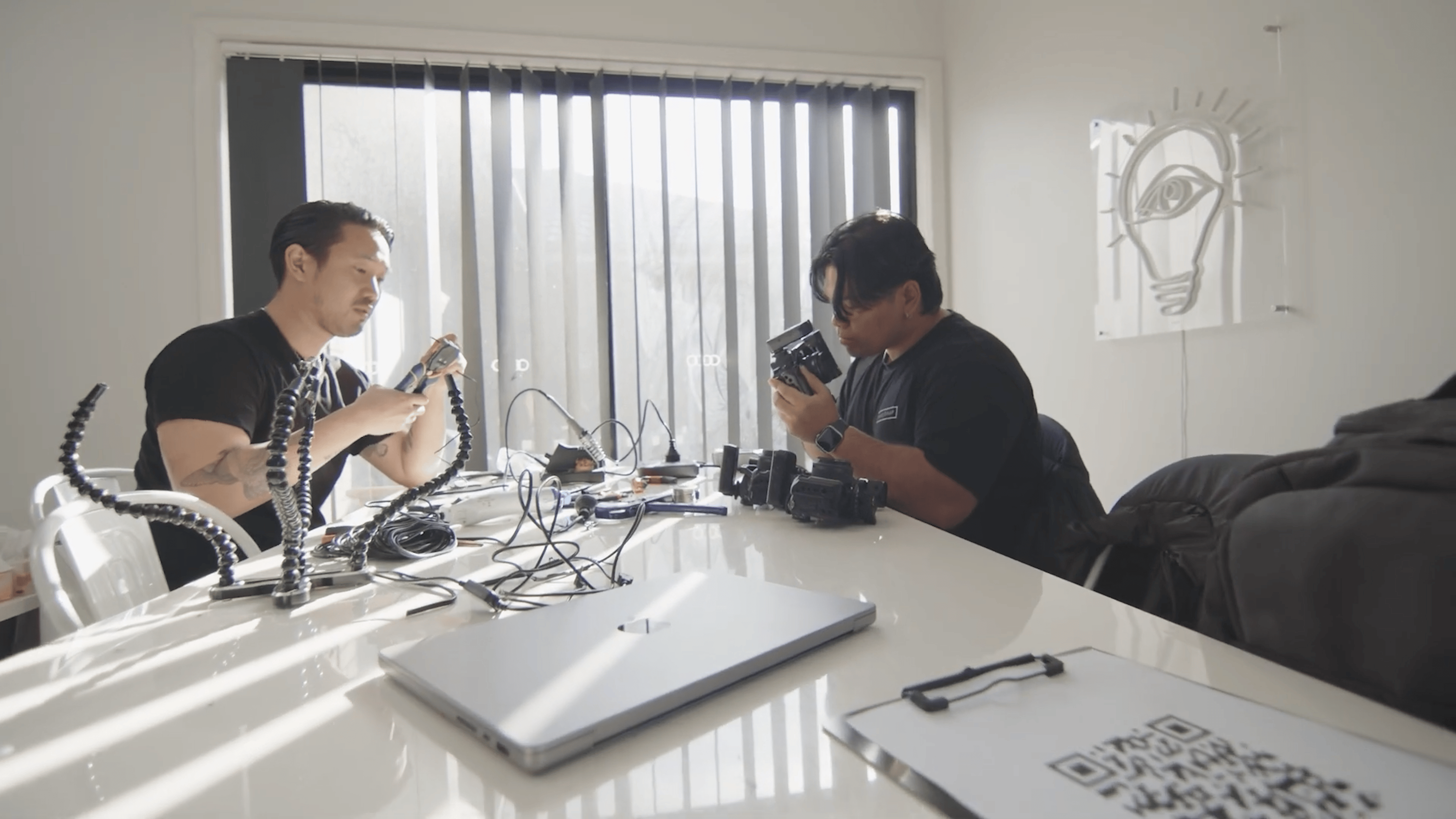
To deliver the required output quality, we selected and configured specialised production machines capable of printing on card materials rather than paper. Alongside this, we engineered a custom camera capture system - now known as the Snap Rig Pro - designed specifically for high-throughput portrait capture in busy stadium environments.

The goal was to ensure every guest could be photographed quickly while maintaining consistent image quality across all locations.

Phase 3:

PrintMagic - Software & Workflow Engineering

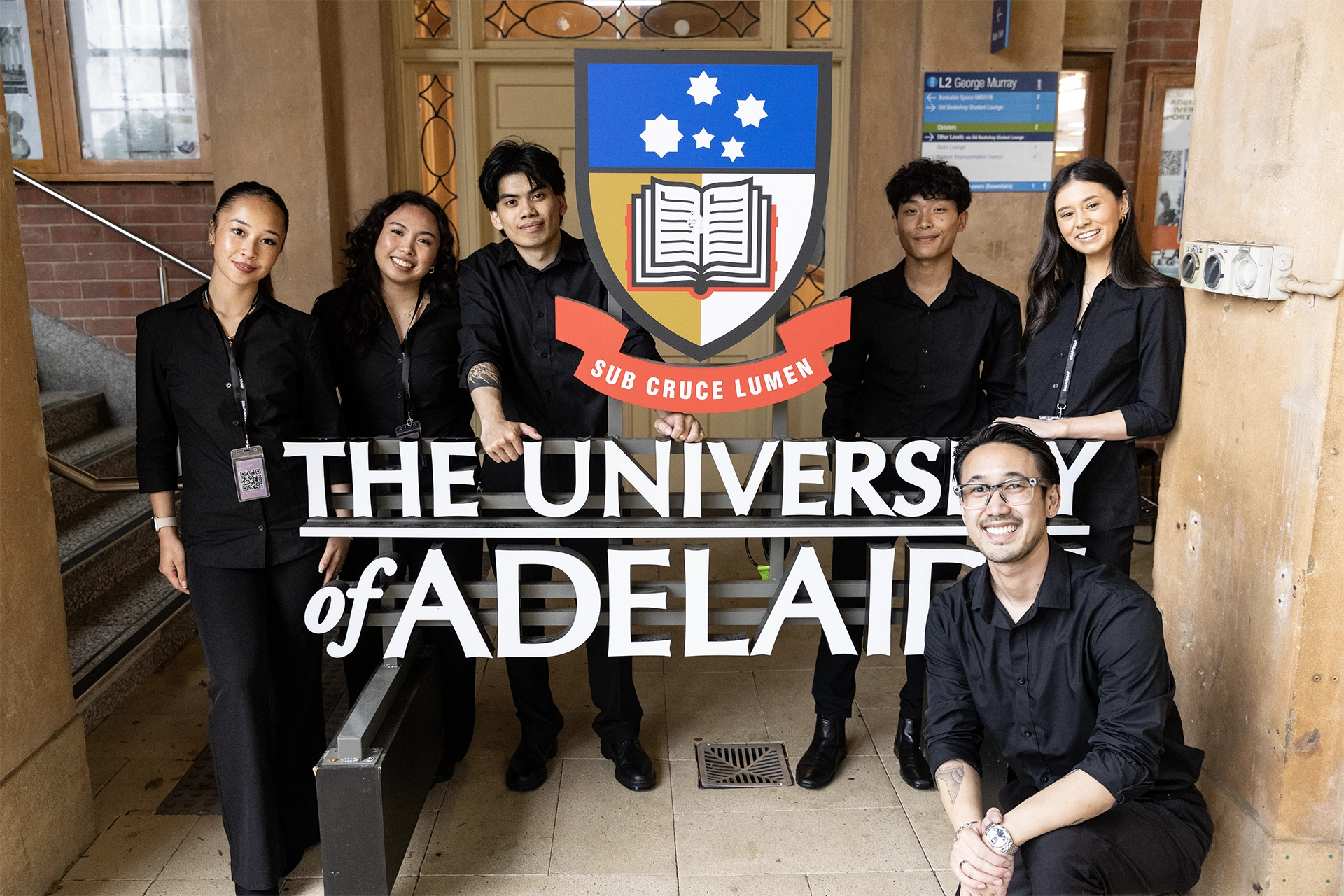
The final phase focused on building operational teams across all 6 locations and ensuring they were ready to deliver the experience during live match days. Team leaders were deployed to each location to train operators and quality-check every system before the events began.

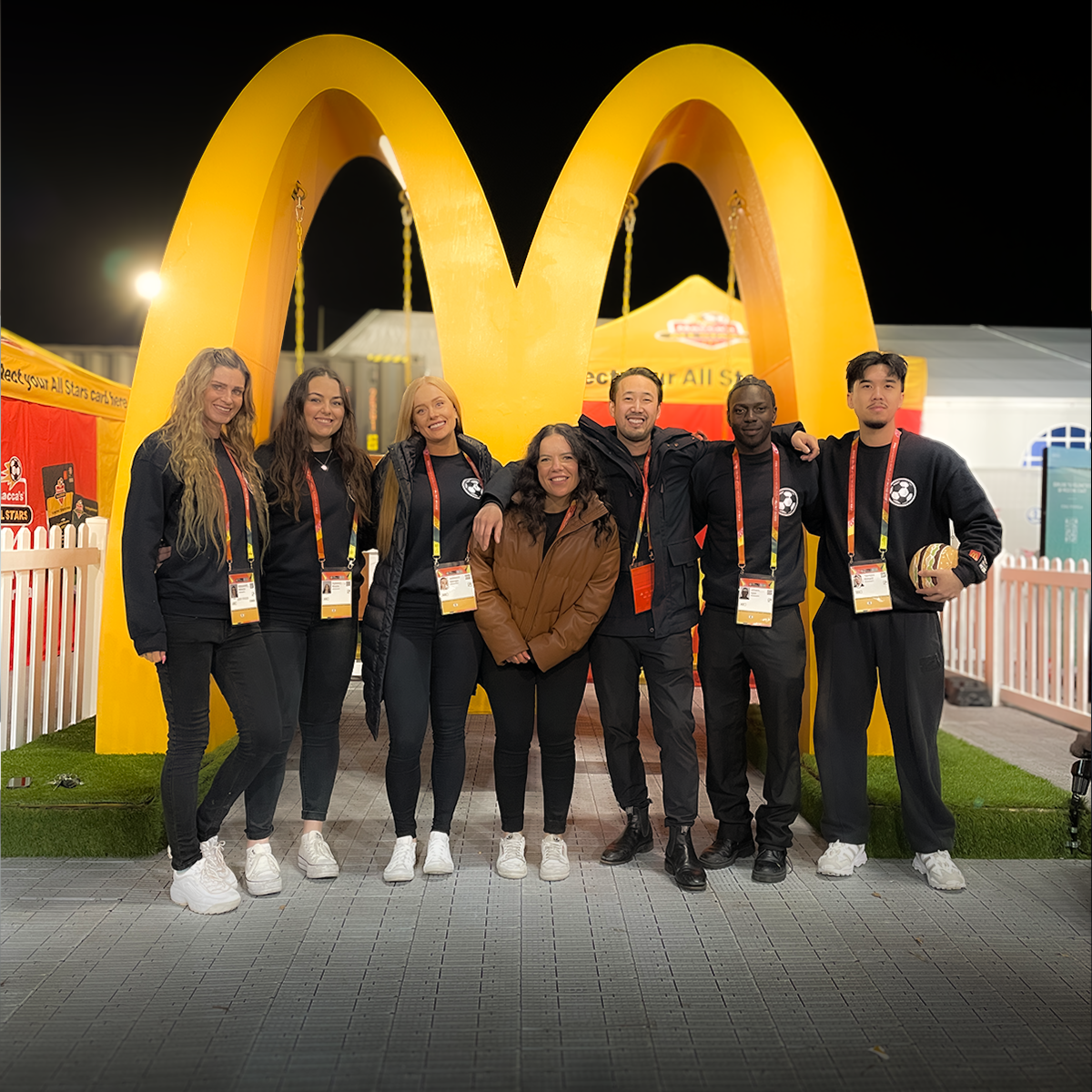
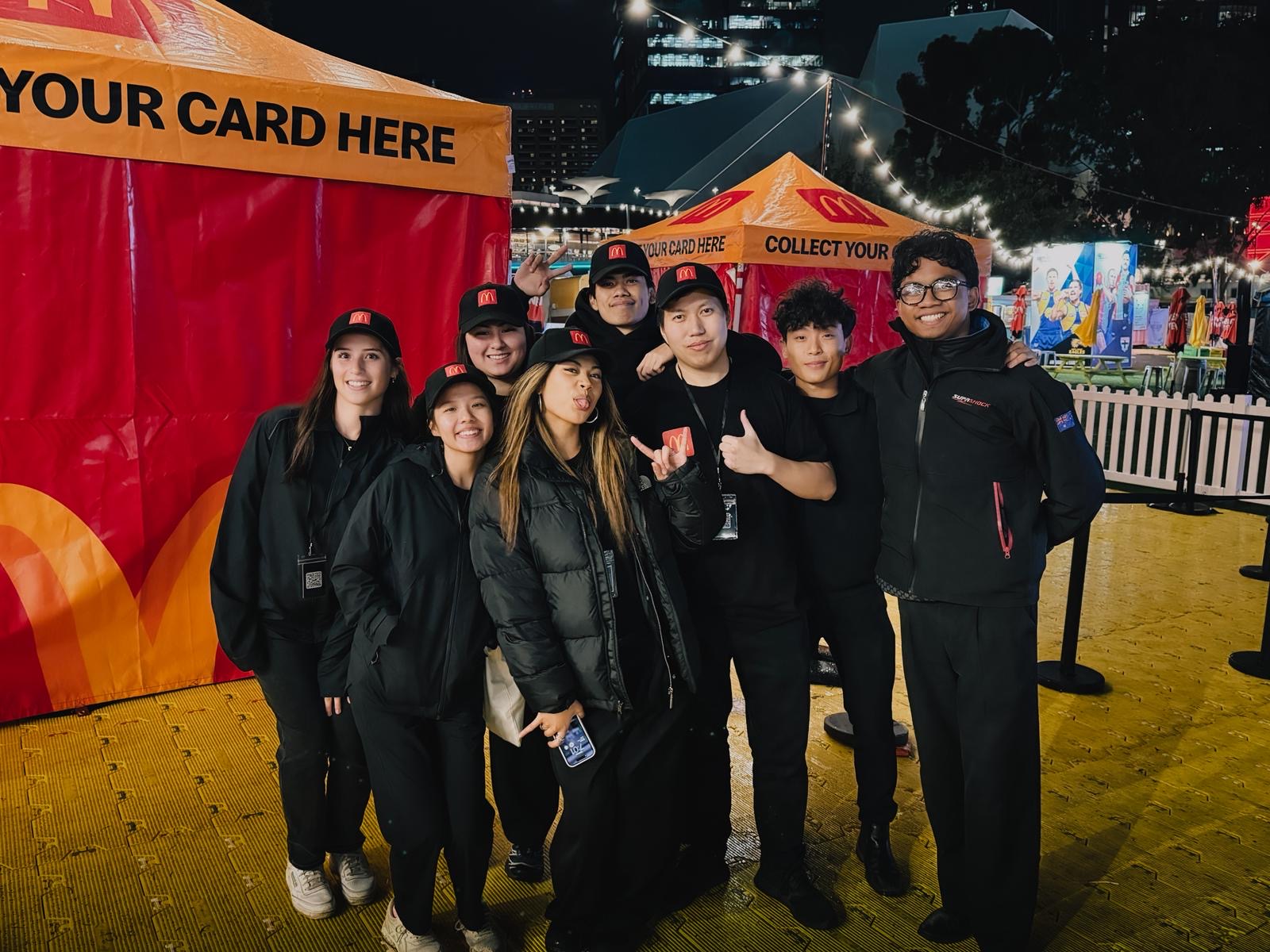
With only 90 minutes to activate before each game, the process had to run flawlessly. Once the gates opened, the activation quickly drew long lines of fans eager to create their own FIFA Women's World Cup trading card.

Phase 4:

National Deployment & Team Training

The final phase focused on building operational teams across all six locations and ensuring they were ready to deliver the experience during live match days. Team leaders were deployed to each city to train operators and quality-check every system before the events began.

With only 90 minutes to activate before each game, the process had to run flawlessly. Once the gates opened, the activation quickly drew long lines of fans eager to create their own FIFA Women’s World Cup trading card.

Phase 1:

Experience & Production Design

[ Phase 1 ]

Experience & Production Design

The first step was designing a trading card experience that felt authentic to football fans attending the FIFA Women's World Cup. McDonald's wanted a premium collectible rather than a disposable print, which meant engineering a durable card format with holographic detailing and double-sided graphics. At the same time, the system had to be capable of producing cards quickly enough to handle large stadium crowds.

[ Phase 2 ]

Custom Hardware Development

Phase 2:

Custom Hardware Development

To deliver the required output quality, we selected and configured specialised production machines capable of printing on card materials rather than paper. Alongside this, we engineered a custom camera capture system - now known as the Snap Rig Pro - designed specifically for high-throughput portrait capture in busy stadium environments.

The goal was to ensure every guest could be photographed quickly while maintaining consistent image quality across all locations.

[ Phase 3 ]

PrintMagic - Software & Workflow Engineering

Phase 3:

PrintMagic - Software & Workflow Engineering

The final phase focused on building operational teams across all 6 locations and ensuring they were ready to deliver the experience during live match days. Team leaders were deployed to each location to train operators and quality-check every system before the events began.

With only 90 minutes to activate before each game, the process had to run flawlessly. Once the gates opened, the activation quickly drew long lines of fans eager to create their own FIFA Women's World Cup trading card.

[ Phase 4 ]

National Deployment & Team Training

Phase 4:

National Deployment & Team Training

The final phase focused on building operational teams across all six locations and ensuring they were ready to deliver the experience during live match days. Team leaders were deployed to each city to train operators and quality-check every system before the events began.

With only 90 minutes to activate before each game, the process had to run flawlessly. Once the gates opened, the activation quickly drew long lines of fans eager to create their own FIFA Women’s World Cup trading card.

Development

Phase 1:

Experience & Production Design

[ Phase 1 ]

Experience & Production Design

The first step was designing a trading card experience that felt authentic to football fans attending the FIFA Women's World Cup. McDonald's wanted a premium collectible rather than a disposable print, which meant engineering a durable card format with holographic detailing and double-sided graphics. At the same time, the system had to be capable of producing cards quickly enough to handle large stadium crowds.

Phase 1:

Experience & Production Design

[ Phase 2 ]

Custom Hardware Development

To deliver the required output quality, we selected and configured specialised production machines capable of printing on card materials rather than paper. Alongside this, we engineered a custom camera capture system - now known as the Snap Rig Pro - designed specifically for high-throughput portrait capture in busy stadium environments.

The goal was to ensure every guest could be photographed quickly while maintaining consistent image quality across all locations.

Phase 1:

Experience & Production Design

[ Phase 3 ]

PrintMagic - Software & Workflow Engineering

The final phase focused on building operational teams across all 6 locations and ensuring they were ready to deliver the experience during live match days. Team leaders were deployed to each location to train operators and quality-check every system before the events began.

With only 90 minutes to activate before each game, the process had to run flawlessly. Once the gates opened, the activation quickly drew long lines of fans eager to create their own FIFA Women's World Cup trading card.

Phase 1:

Experience & Production Design

[ Phase 4 ]

National Deployment & Team Training

The final phase focused on building operational teams across all six locations and ensuring they were ready to deliver the experience during live match days. Team leaders were deployed to each city to train operators and quality-check every system before the events began.

With only 90 minutes to activate before each game, the process had to run flawlessly. Once the gates opened, the activation quickly drew long lines of fans eager to create their own FIFA Women’s World Cup trading card.

Development

[

Phase 1

]

Experience & Production Design

The first step was designing a trading card experience that felt authentic to football fans attending the FIFA Women's World Cup. McDonald's wanted a premium collectible rather than a disposable print, which meant engineering a durable card format with holographic detailing and double-sided graphics. At the same time, the system had to be capable of producing cards quickly enough to handle large stadium crowds.

[

Phase 2

]

Custom Hardware Development

To deliver the required output quality, we selected and configured specialised production machines capable of printing on card materials rather than paper. Alongside this, we engineered a custom camera capture system - now known as the Snap Rig Pro - designed specifically for high-throughput portrait capture in busy stadium environments.

The goal was to ensure every guest could be photographed quickly while maintaining consistent image quality across all locations.

[

Phase 3

]

PrintMagic - Software & Workflow Engineering

The final phase focused on building operational teams across all 6 locations and ensuring they were ready to deliver the experience during live match days. Team leaders were deployed to each location to train operators and quality-check every system before the events began.

With only 90 minutes to activate before each game, the process had to run flawlessly. Once the gates opened, the activation quickly drew long lines of fans eager to create their own FIFA Women's World Cup trading card.

[

Phase 4

]

National Deployment & Team Training

The final phase focused on building operational teams across all six locations and ensuring they were ready to deliver the experience during live match days. Team leaders were deployed to each city to train operators and quality-check every system before the events began.

With only 90 minutes to activate before each game, the process had to run flawlessly. Once the gates opened, the activation quickly drew long lines of fans eager to create their own FIFA Women’s World Cup trading card.

Over 42 live events across 6 different locations.

A staggering 10,000 memories delivered across events spanning both Australia and New Zealand, with just 6 weeks for development to deployment.

[

Key outputs

]

The outputs

No items found.

[

Deployment

]

On-site

No items found.

[

More case studies

]

Explore more