[ CaSE StuDy ]

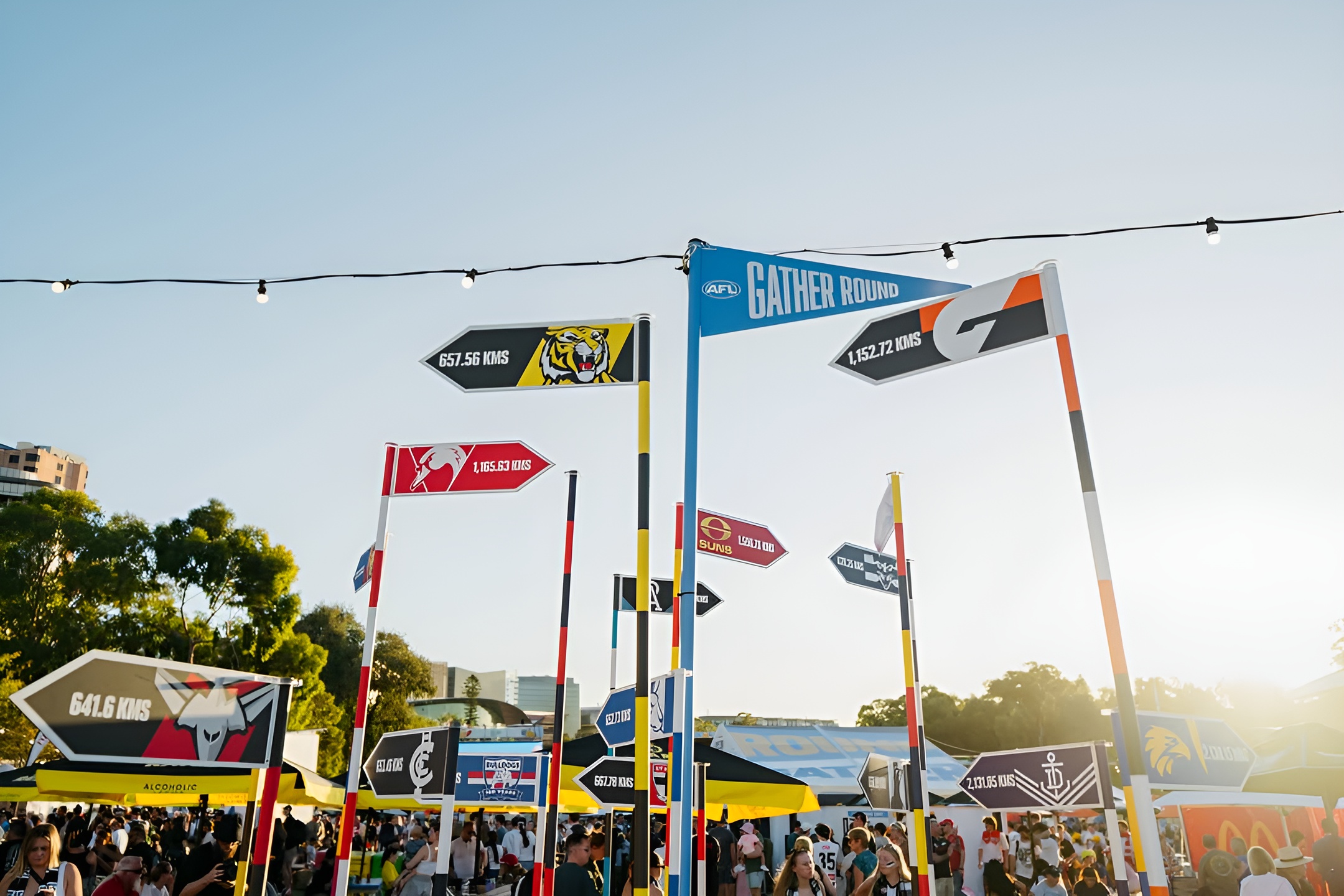
Gather Round

McDonald's Australia

//

2026

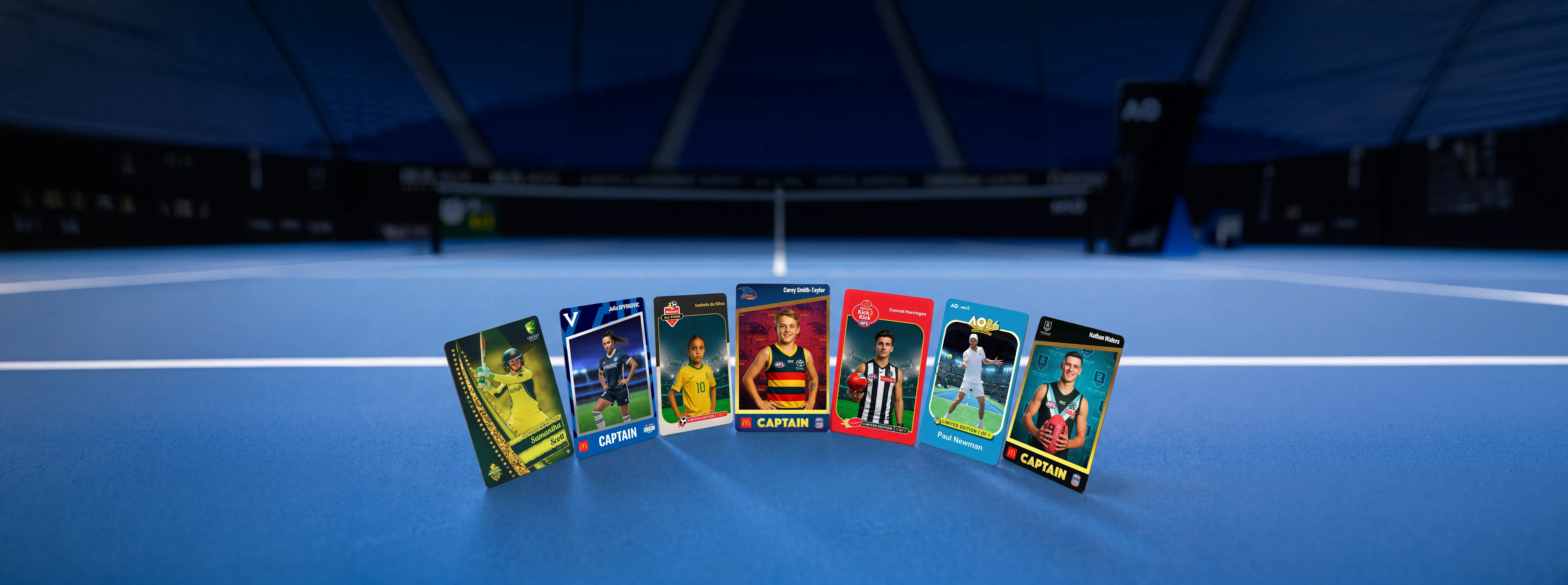
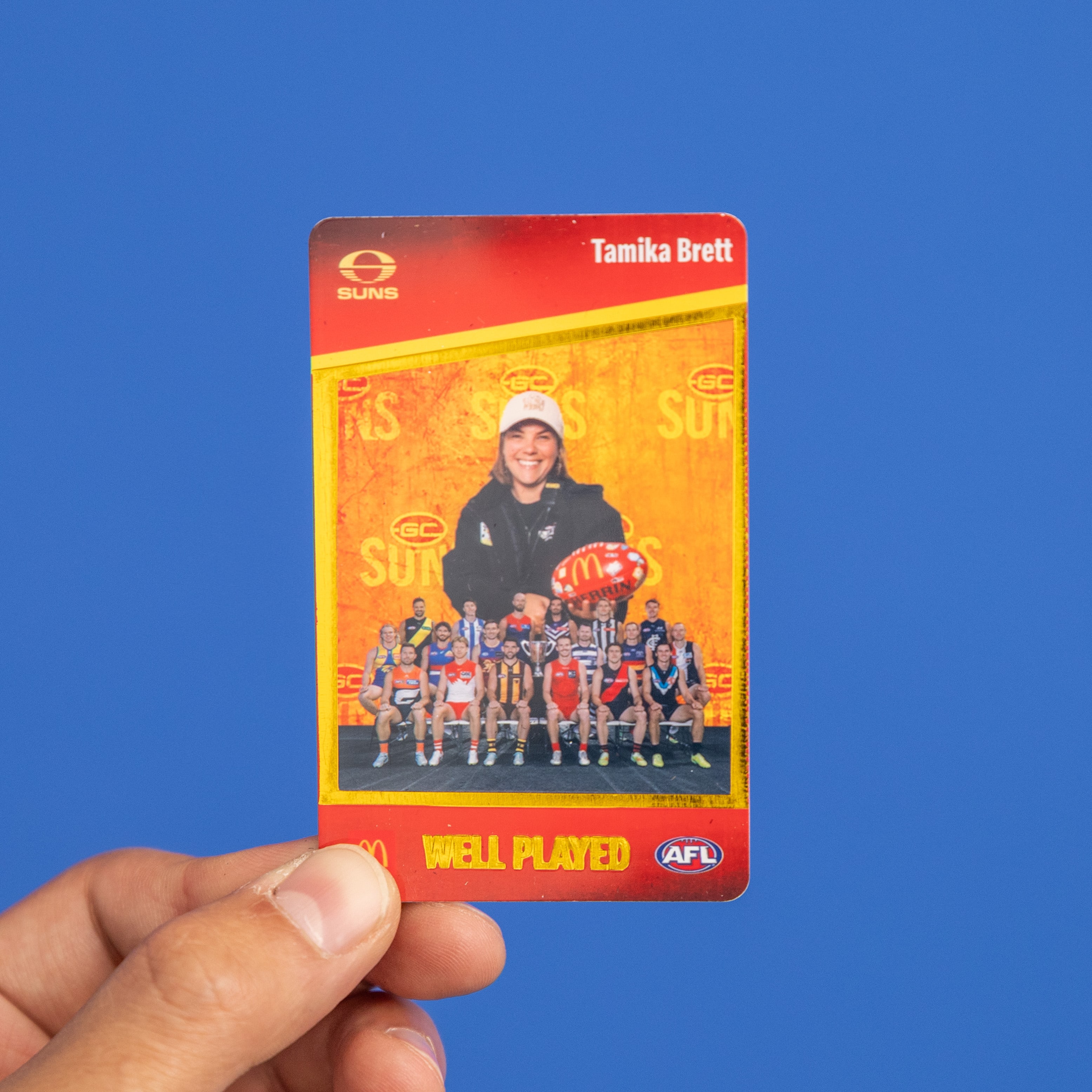
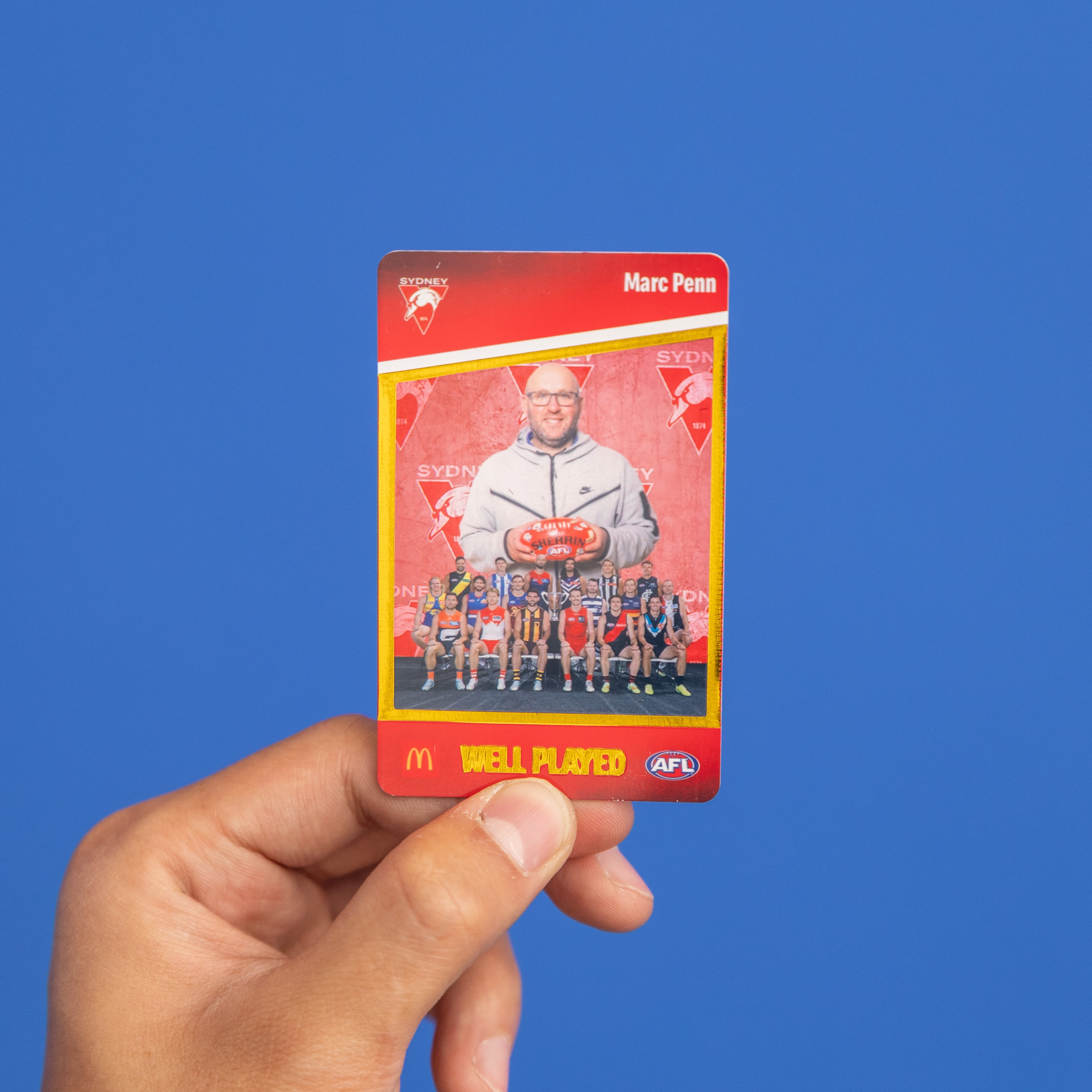
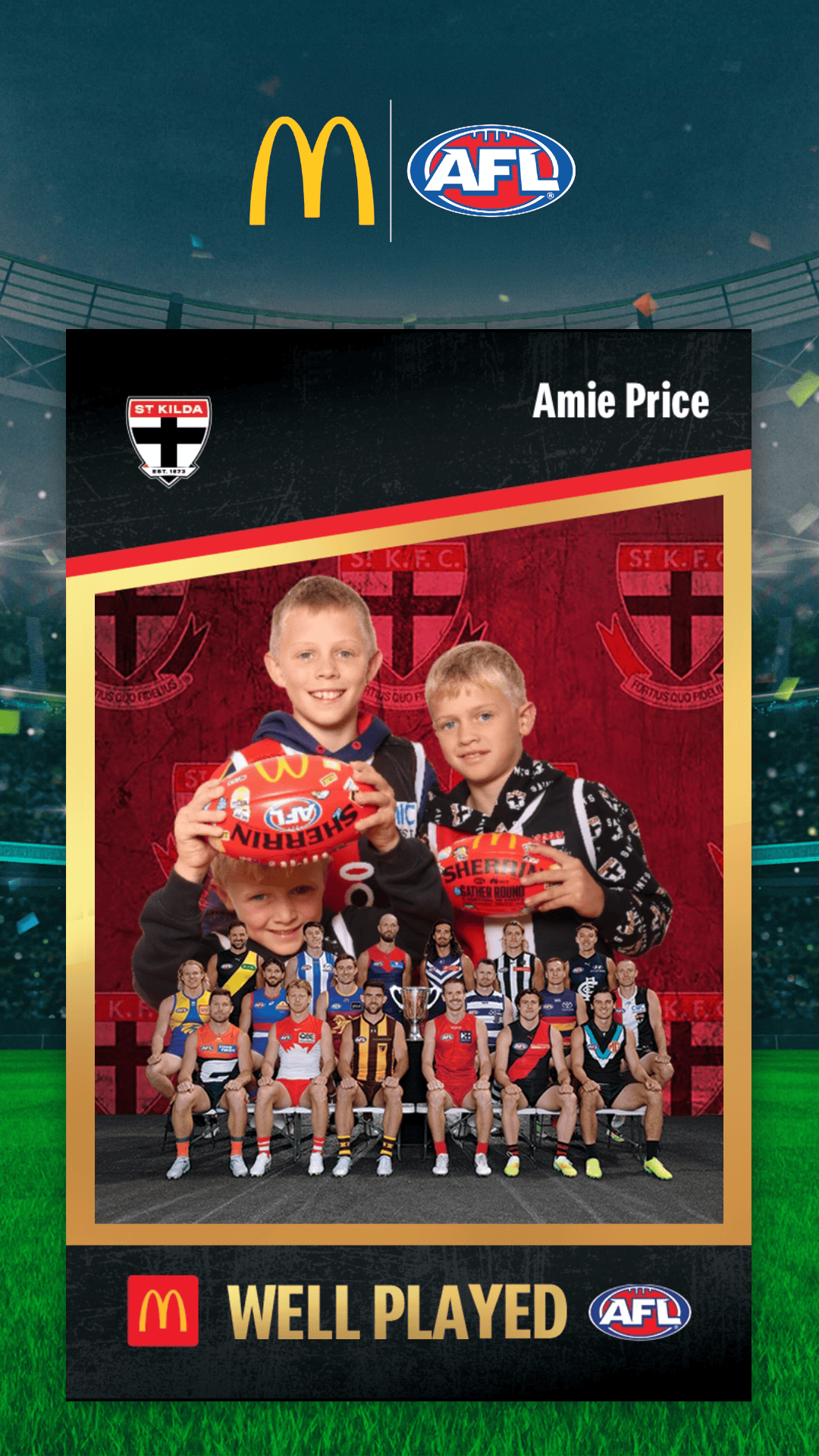
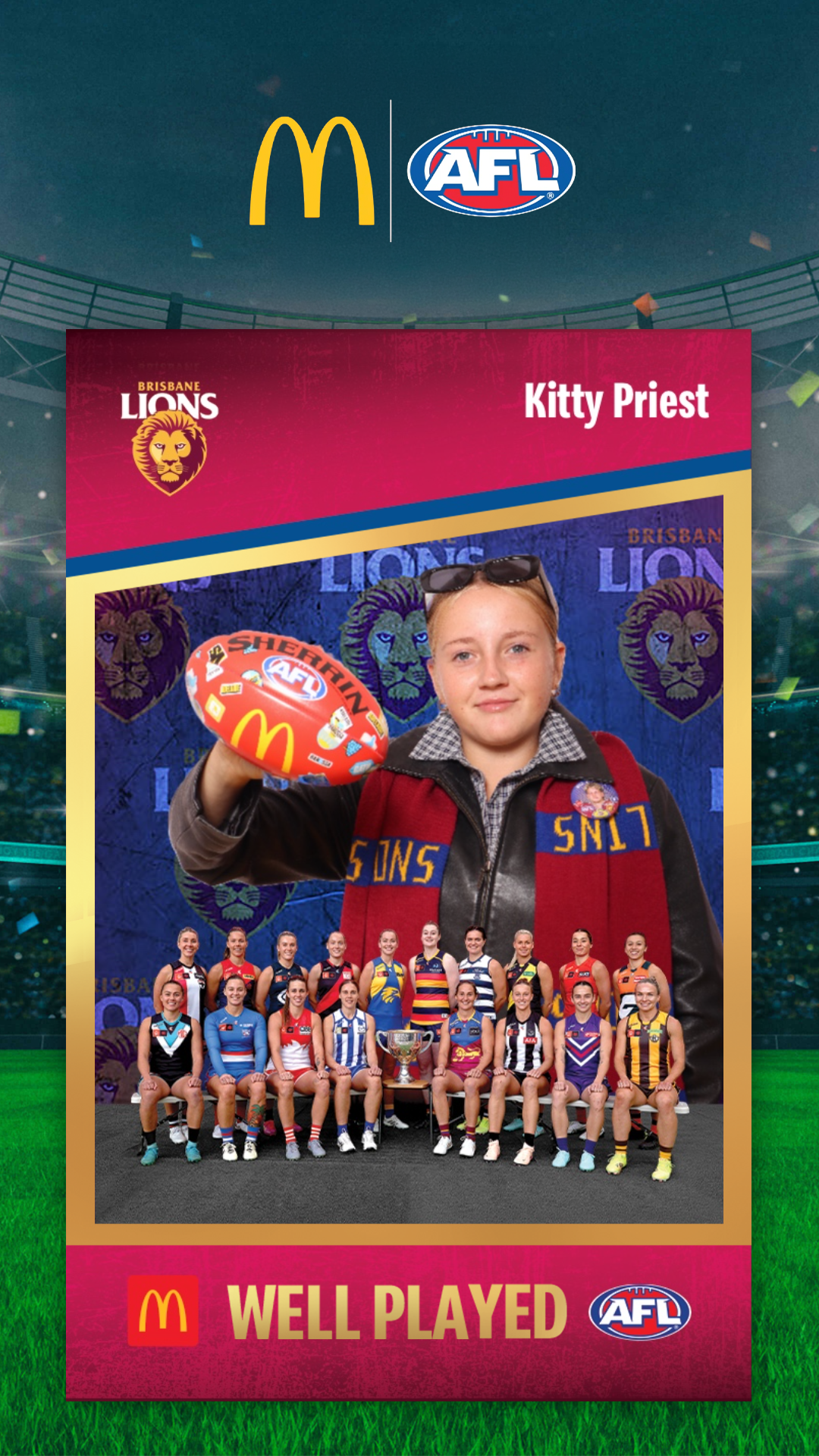
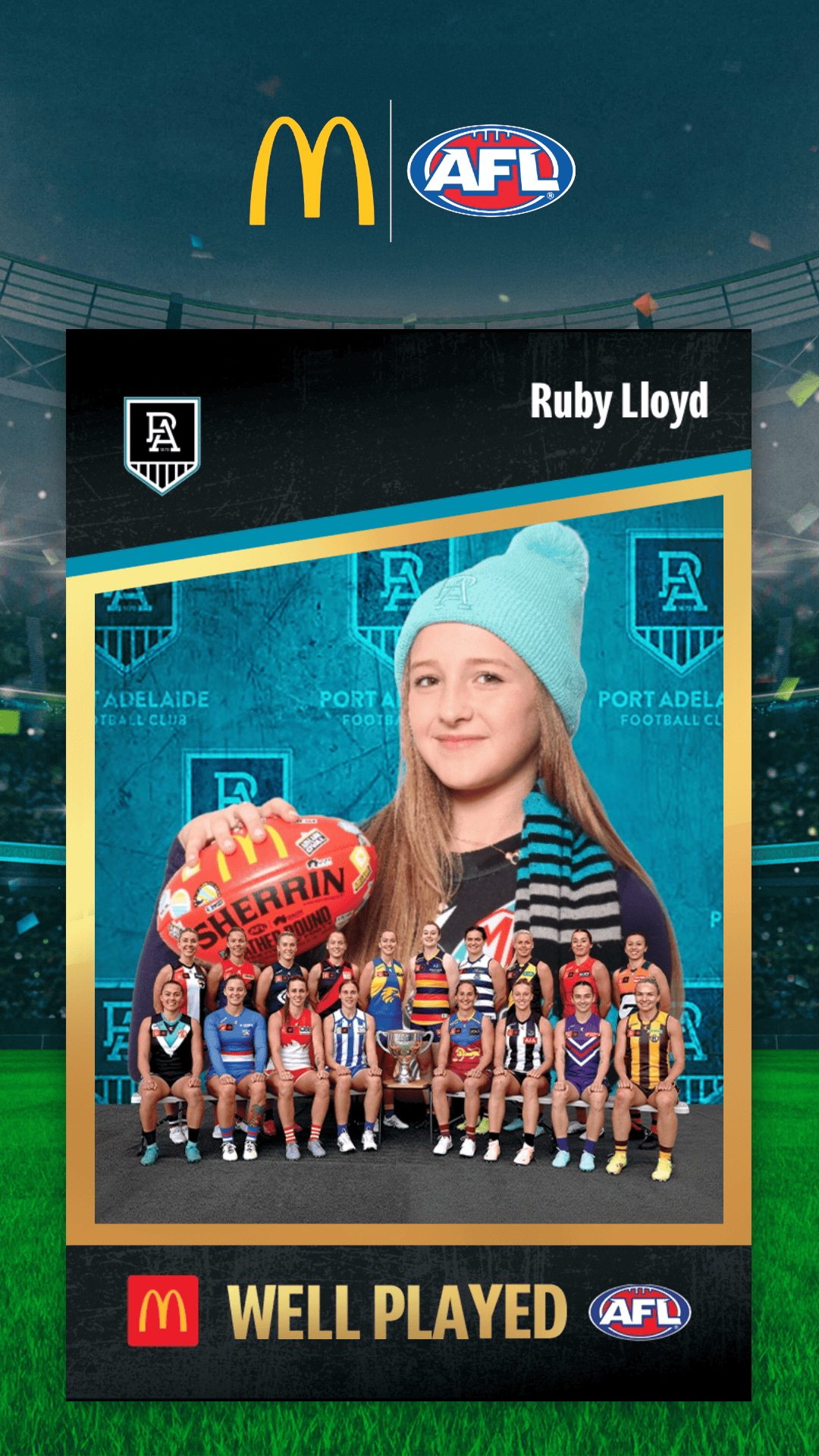
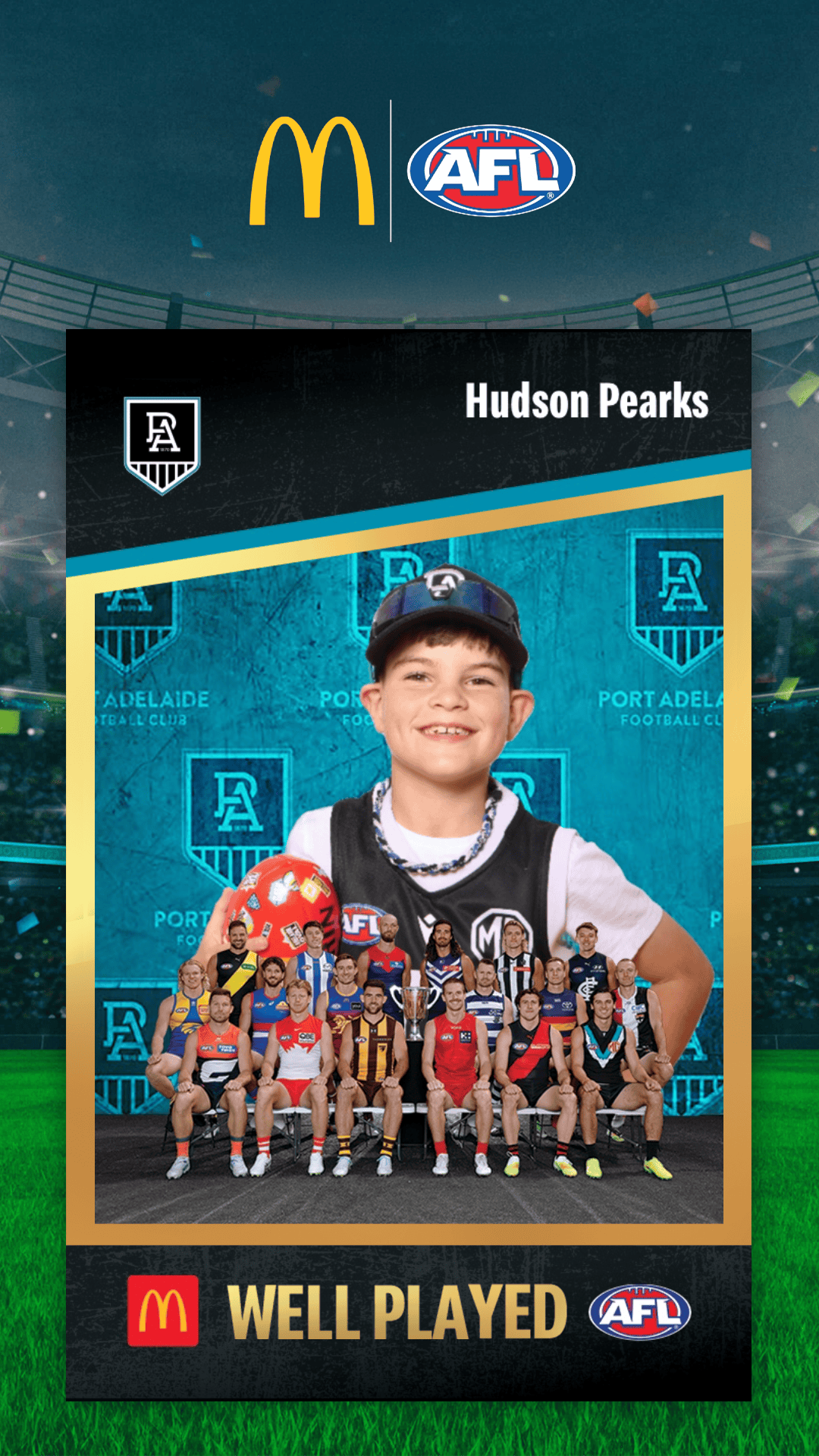
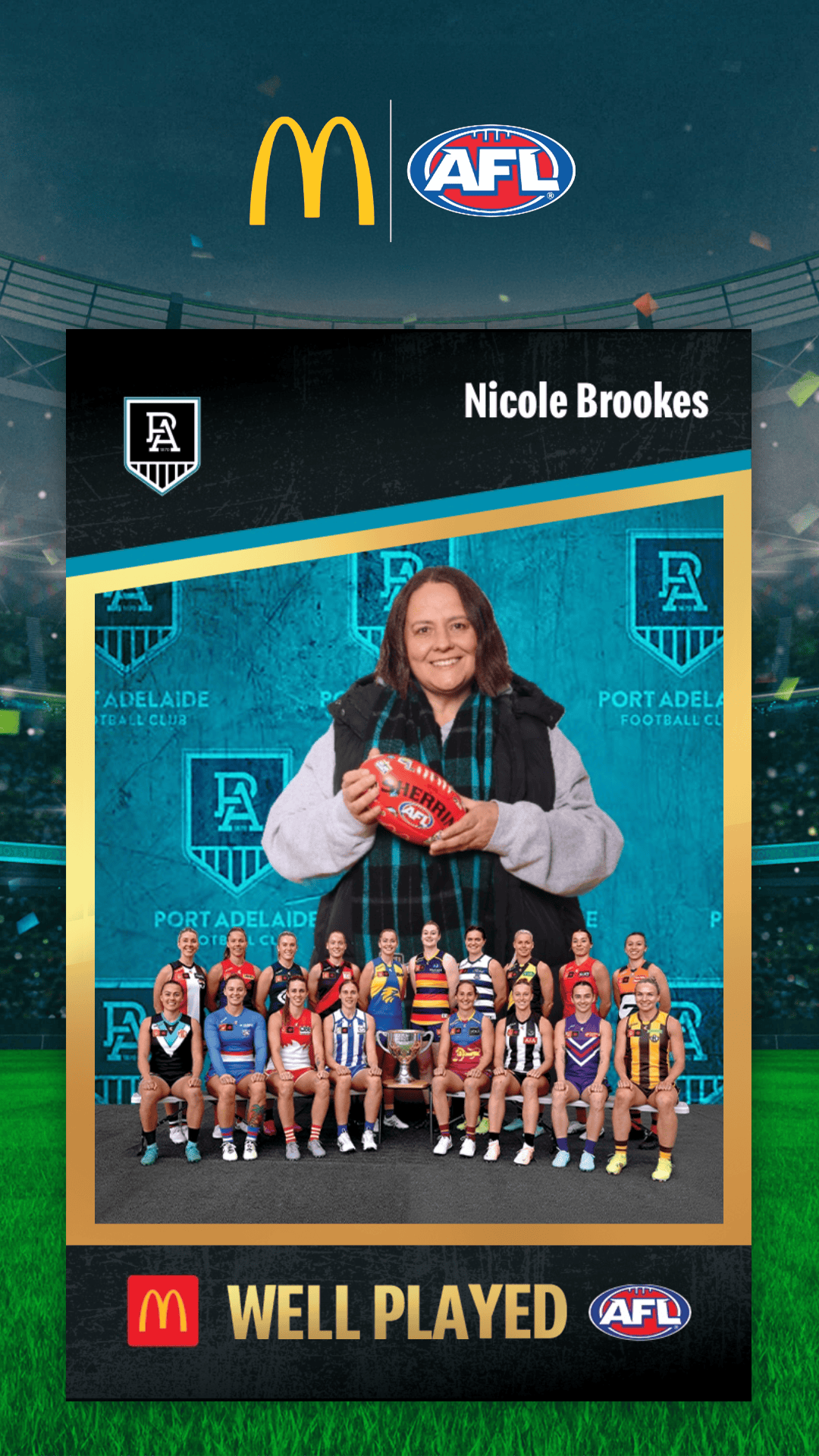
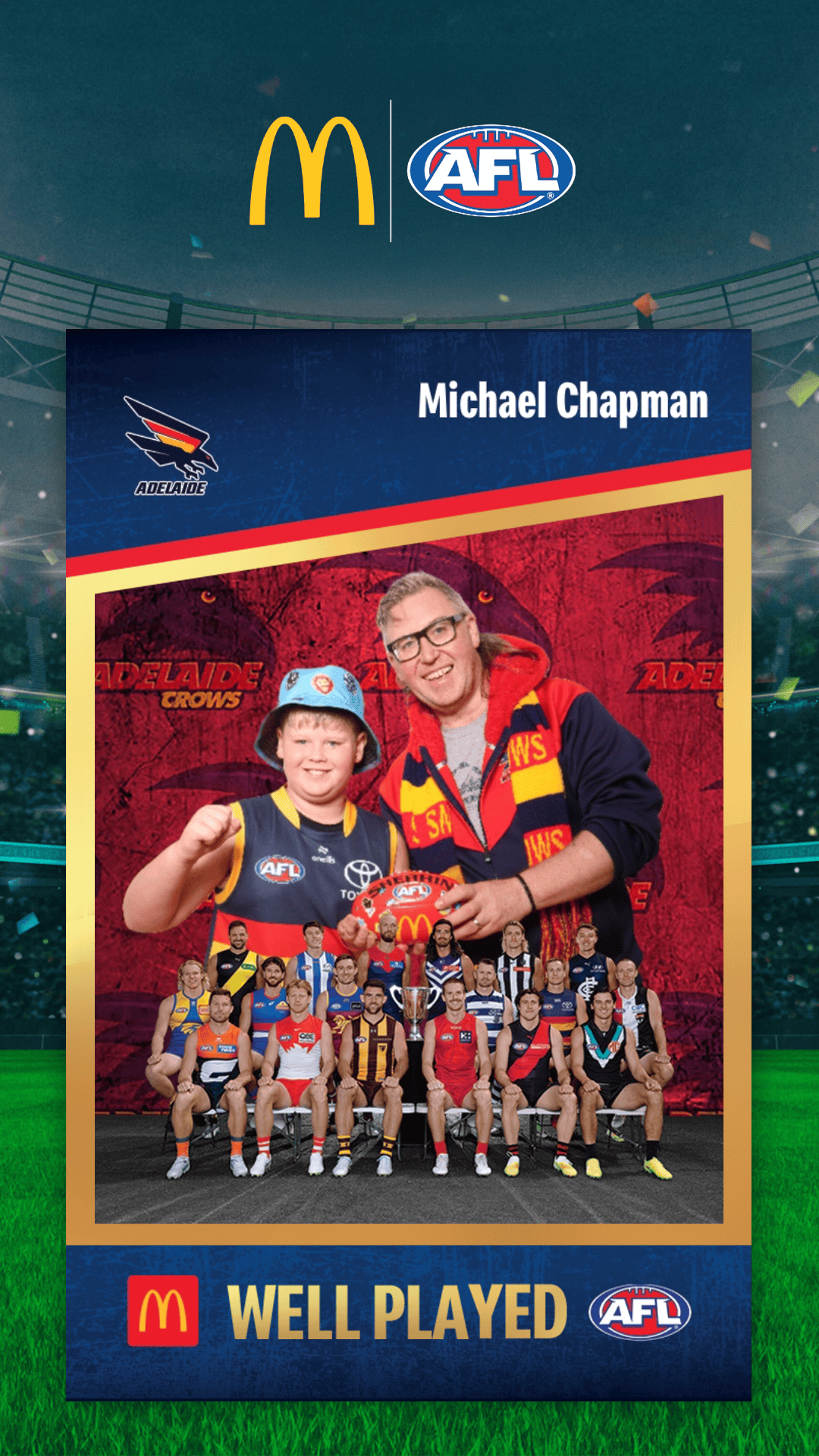
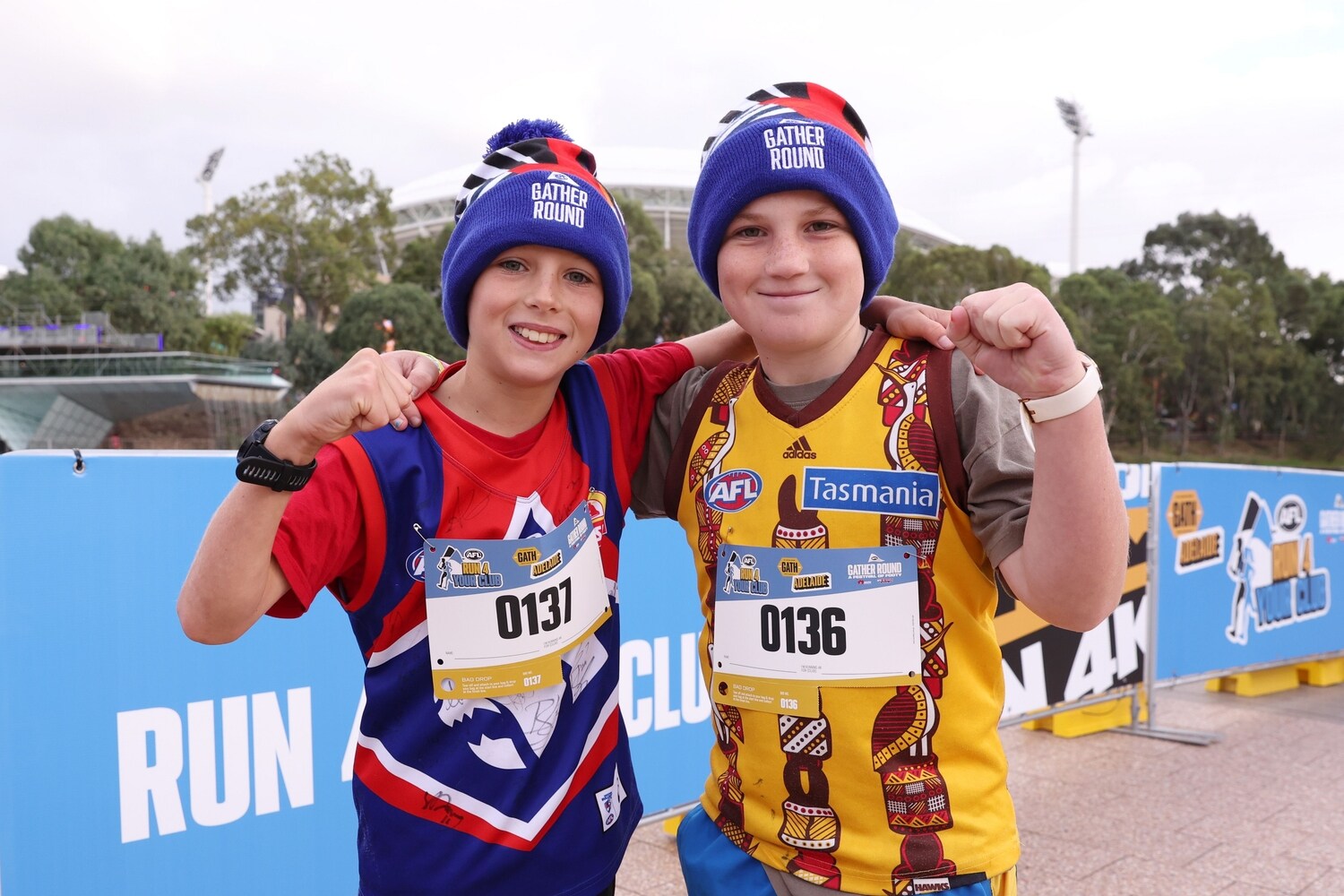
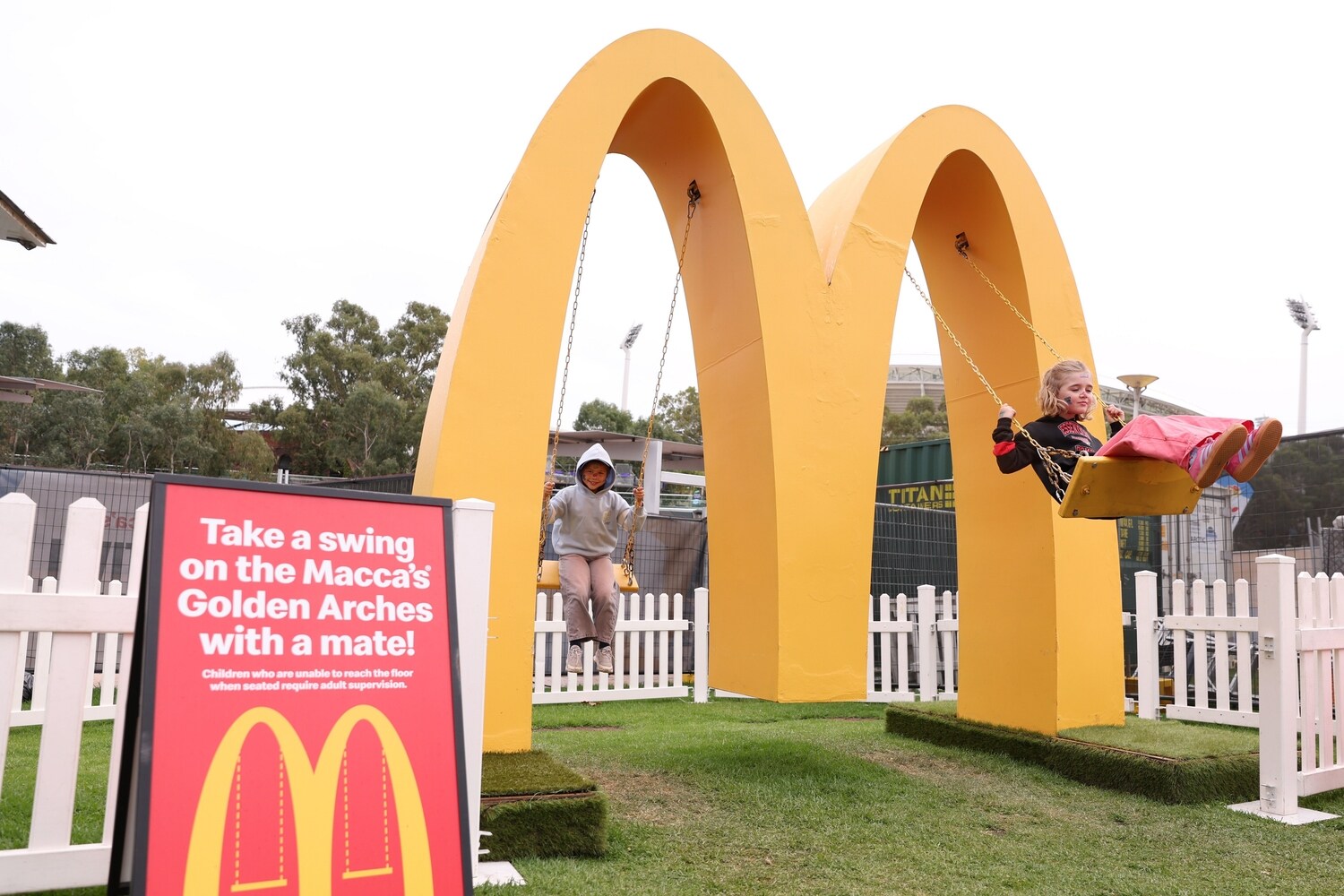
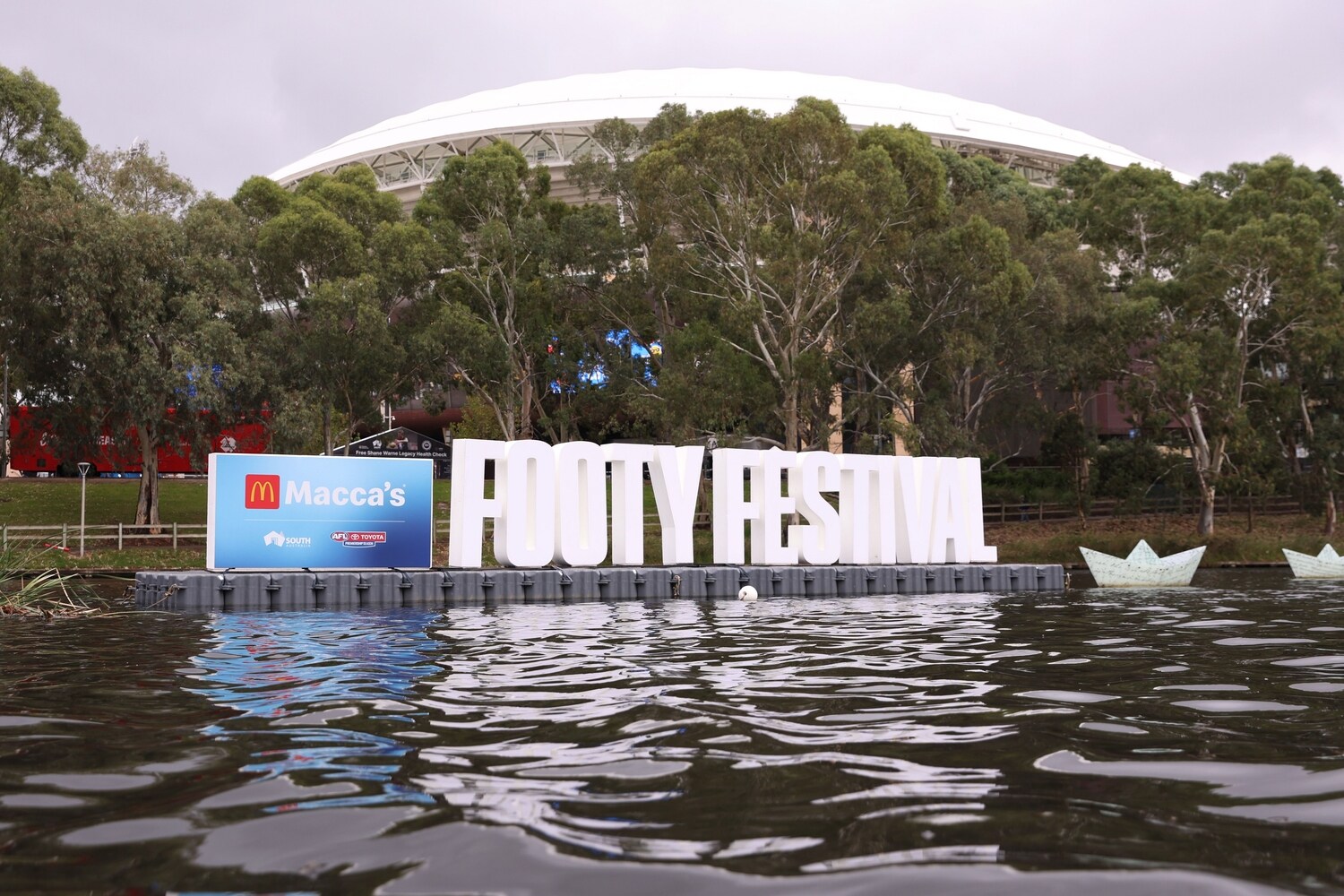
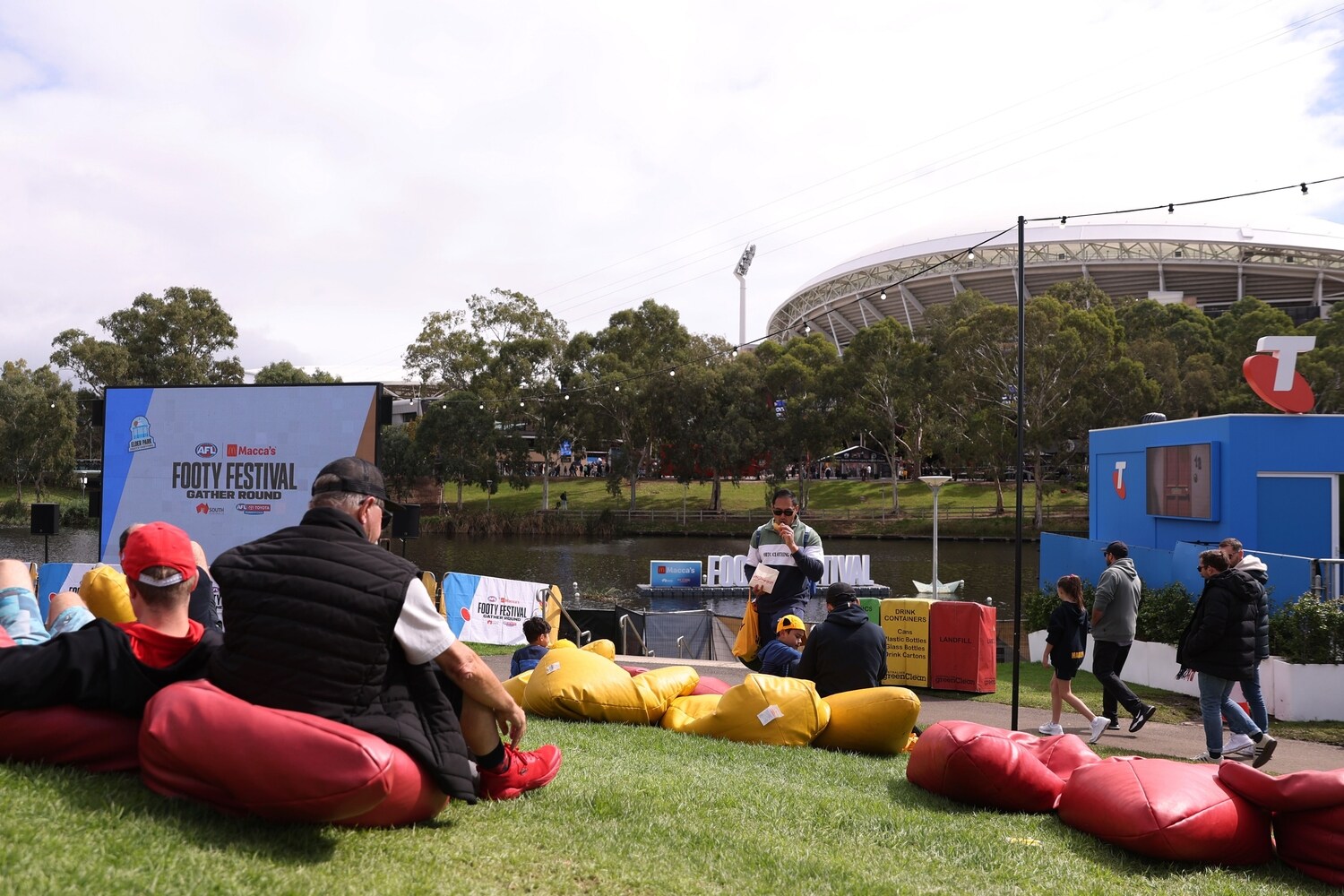
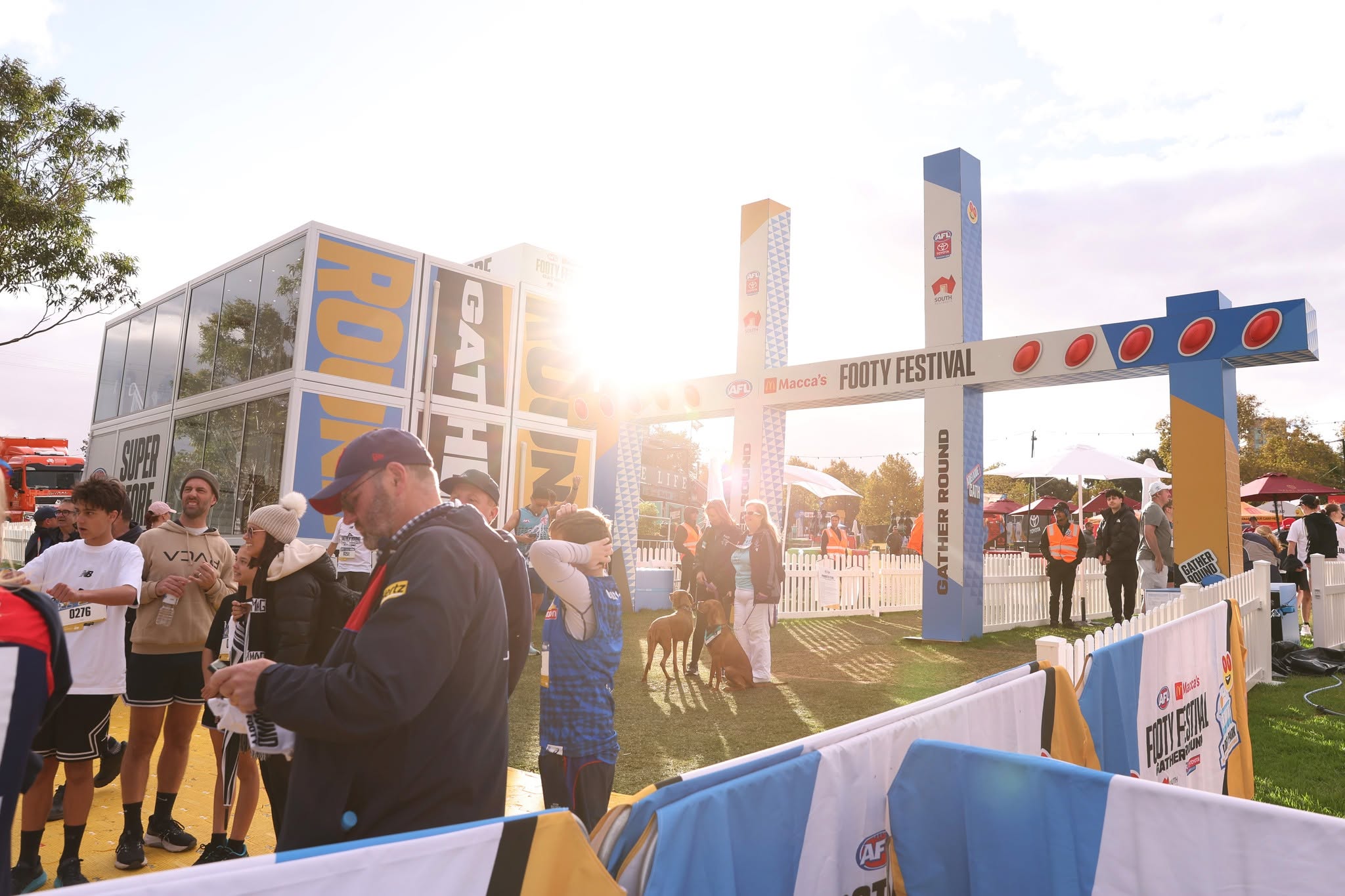
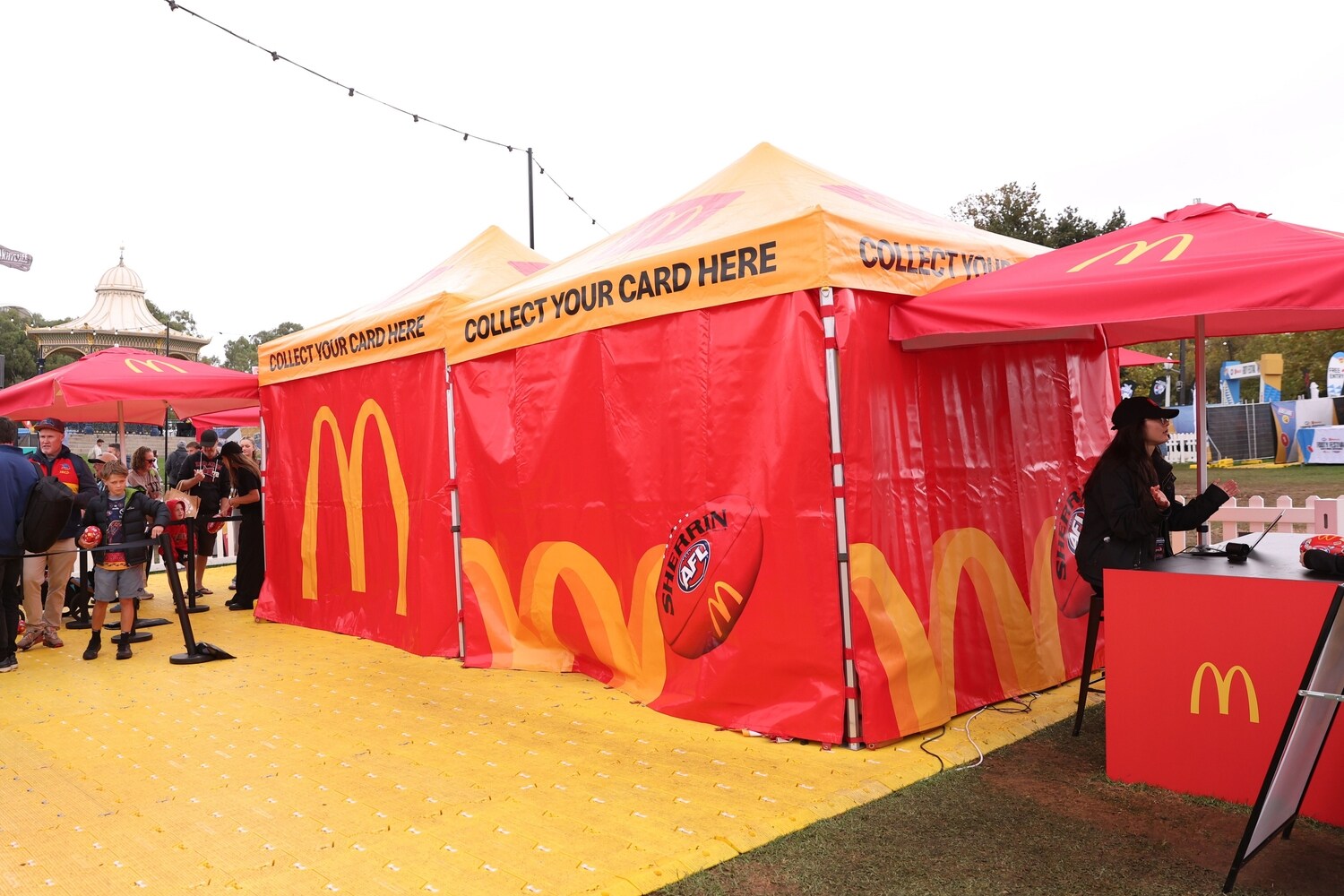
Since 2023, SNAP LAB has partnered with McDonald's Australia to deliver the Captains Card activation at Gather Round. Each year, our objective has remained the same: improve the experience. Whether through faster production, better technology, stronger visual finishes or improved user flow, every iteration of the activation has been an opportunity to learn from the previous year and optimise performance.

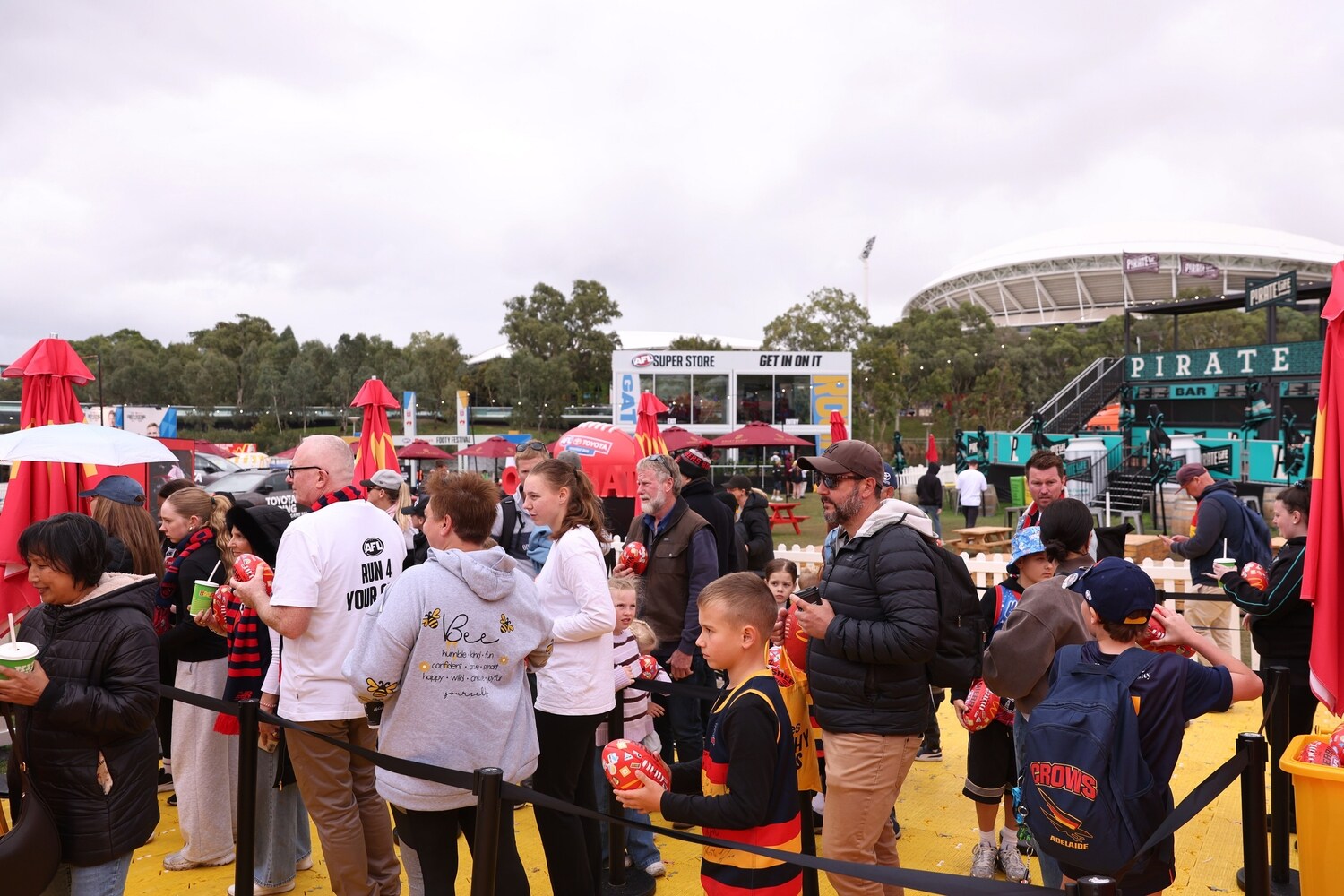
By 2024, the activation had already become one of the most popular experiences at the footy festival. The challenge was no longer proving the concept worked - it was solving the operational bottlenecks that limited throughput and created long collection wait times for participants.

[

Project planning

]

Project considerations

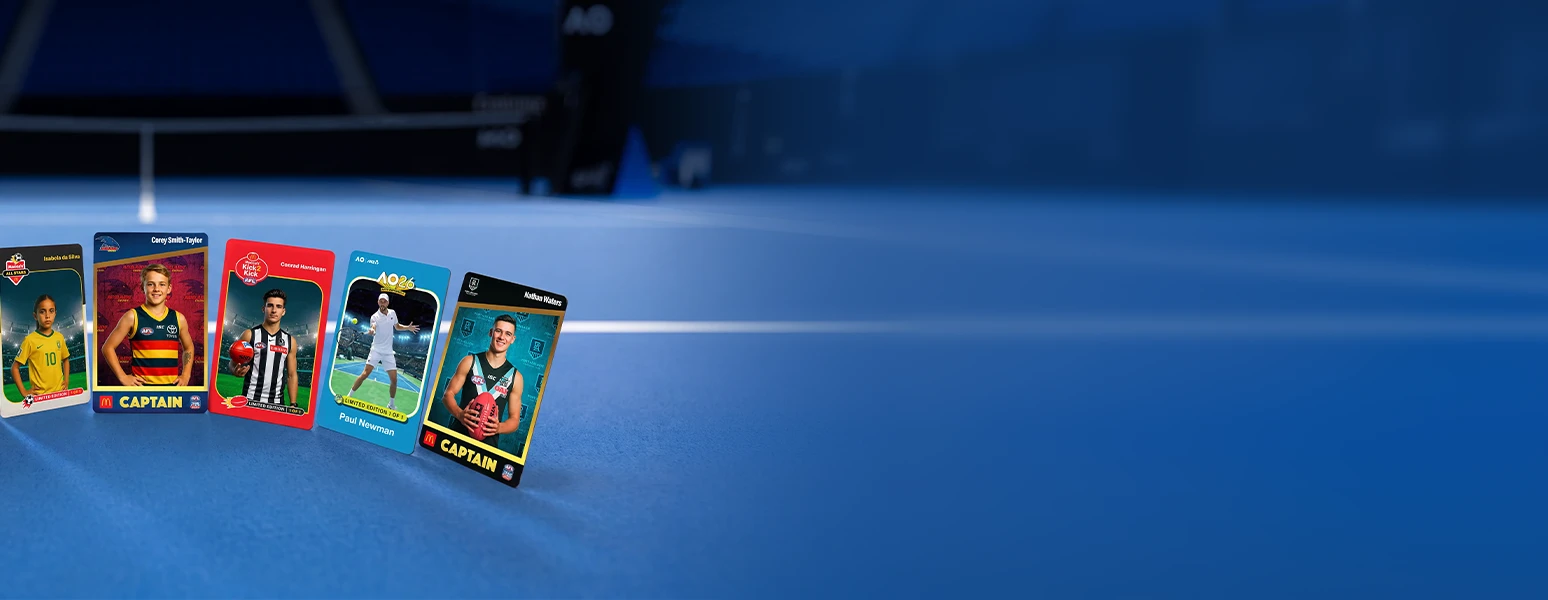
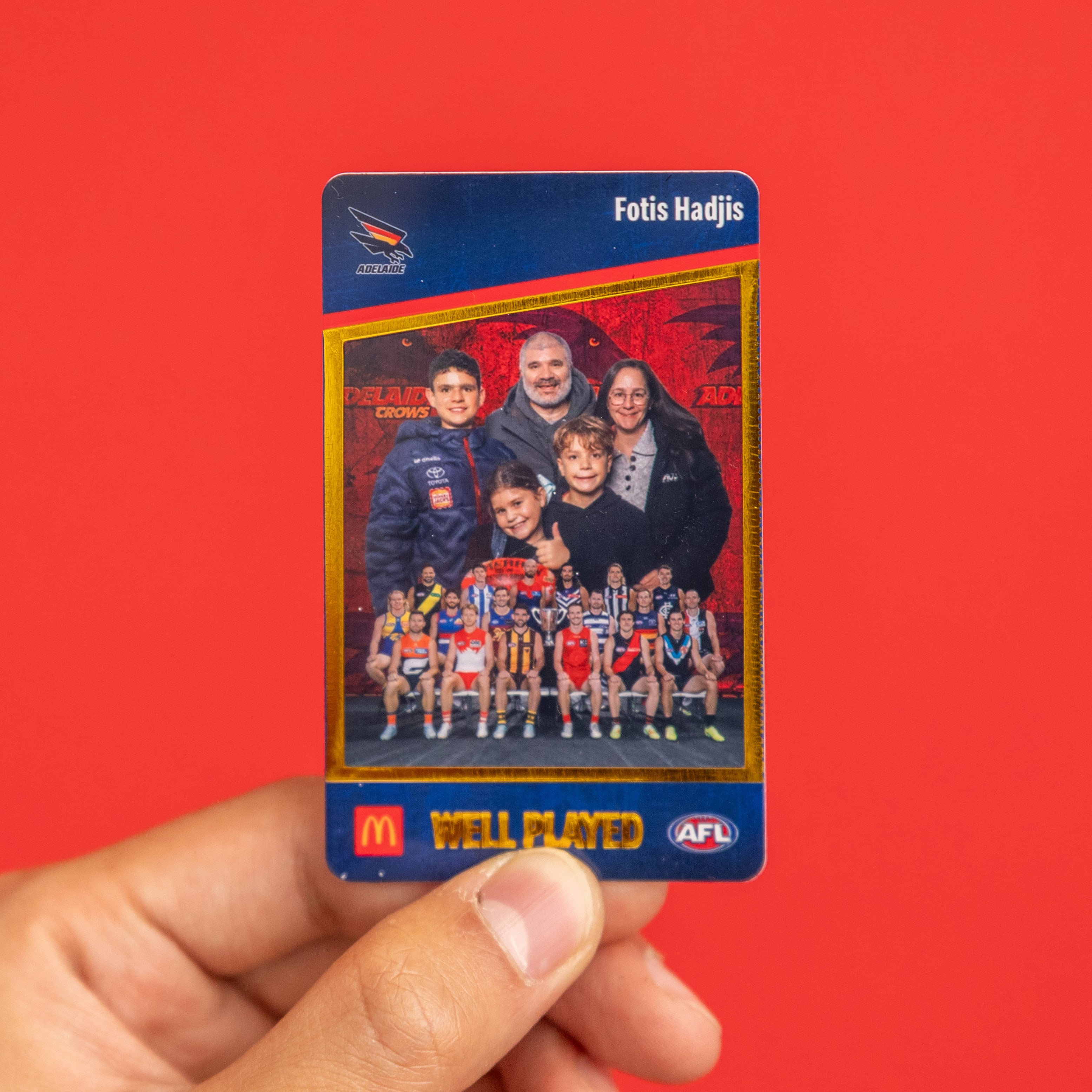
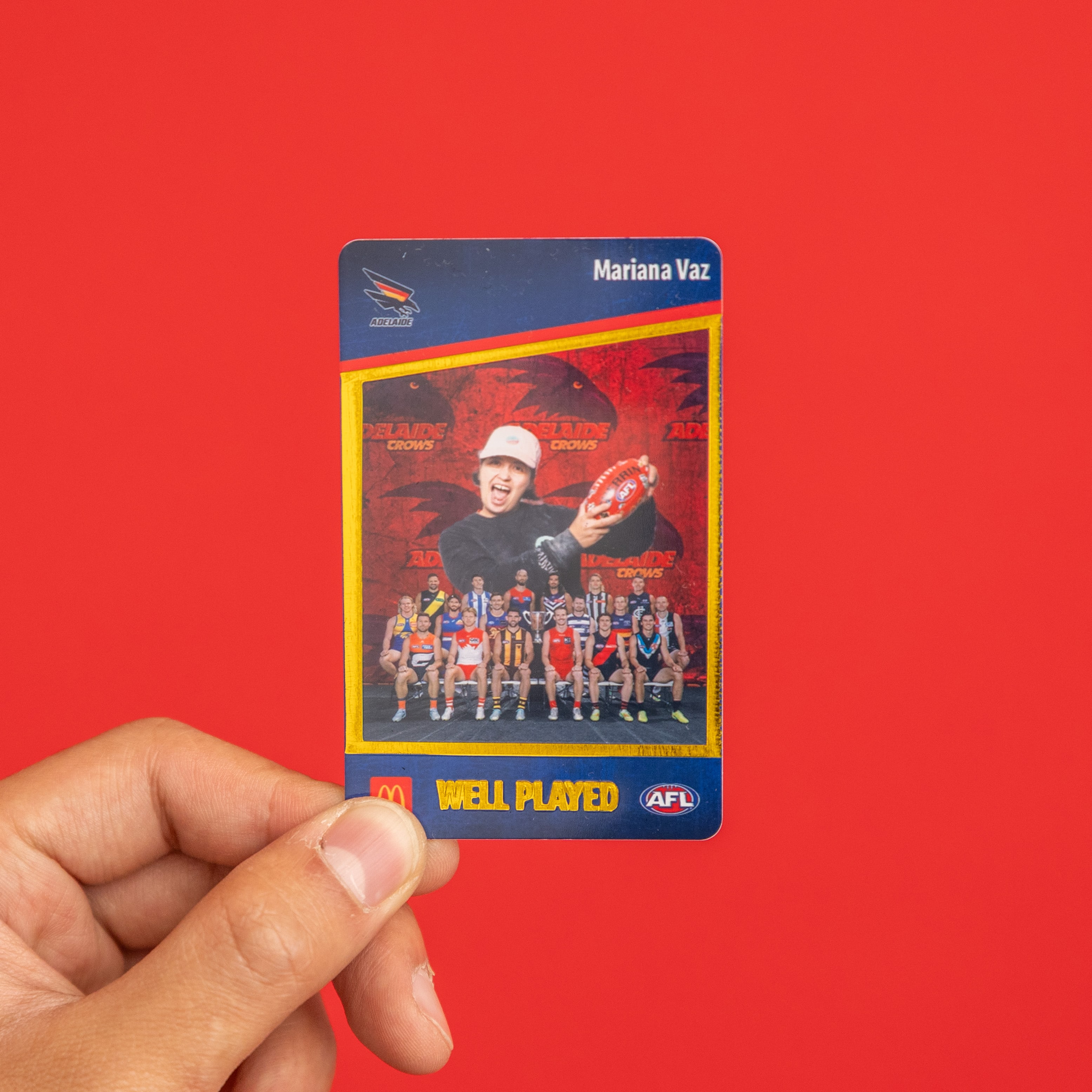
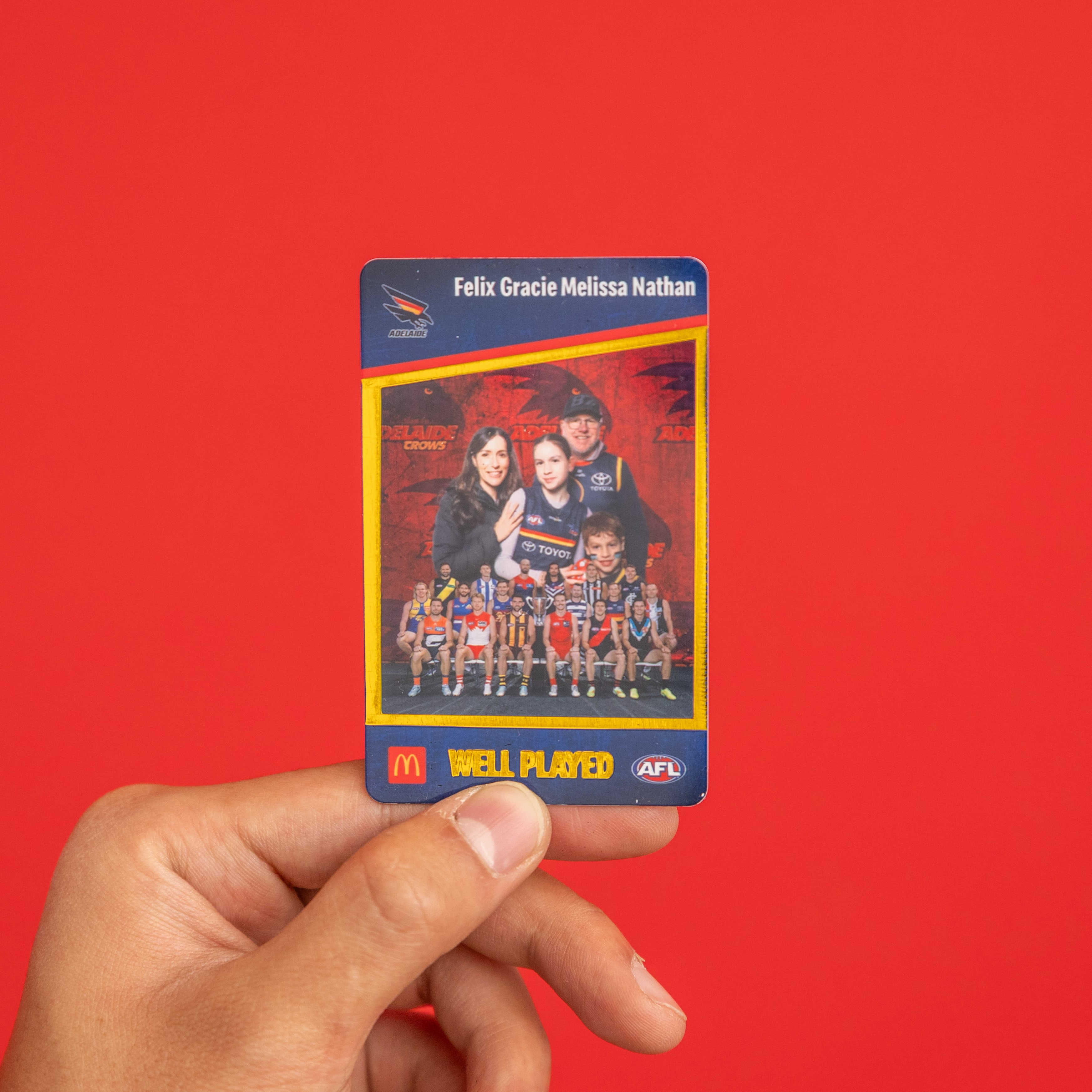
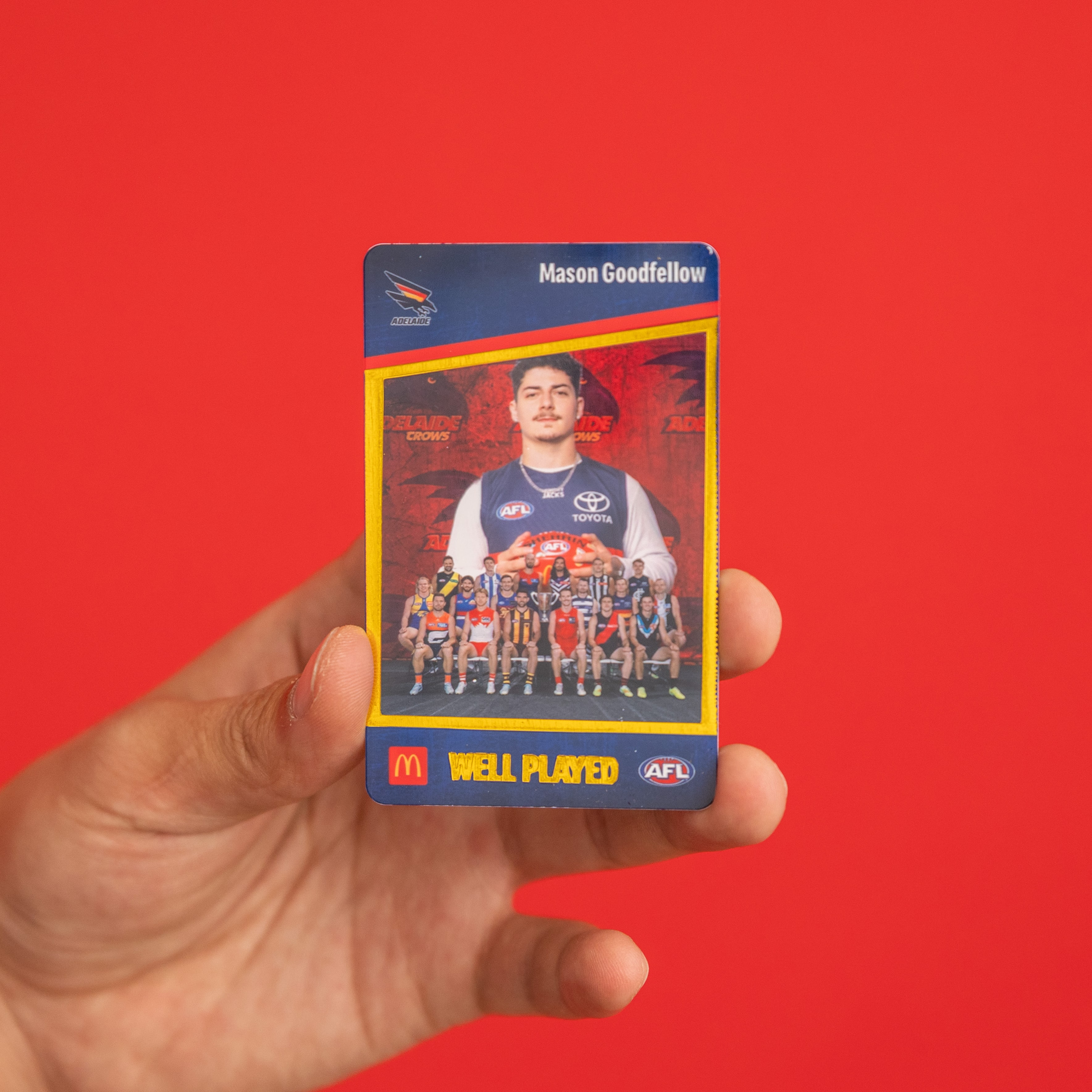
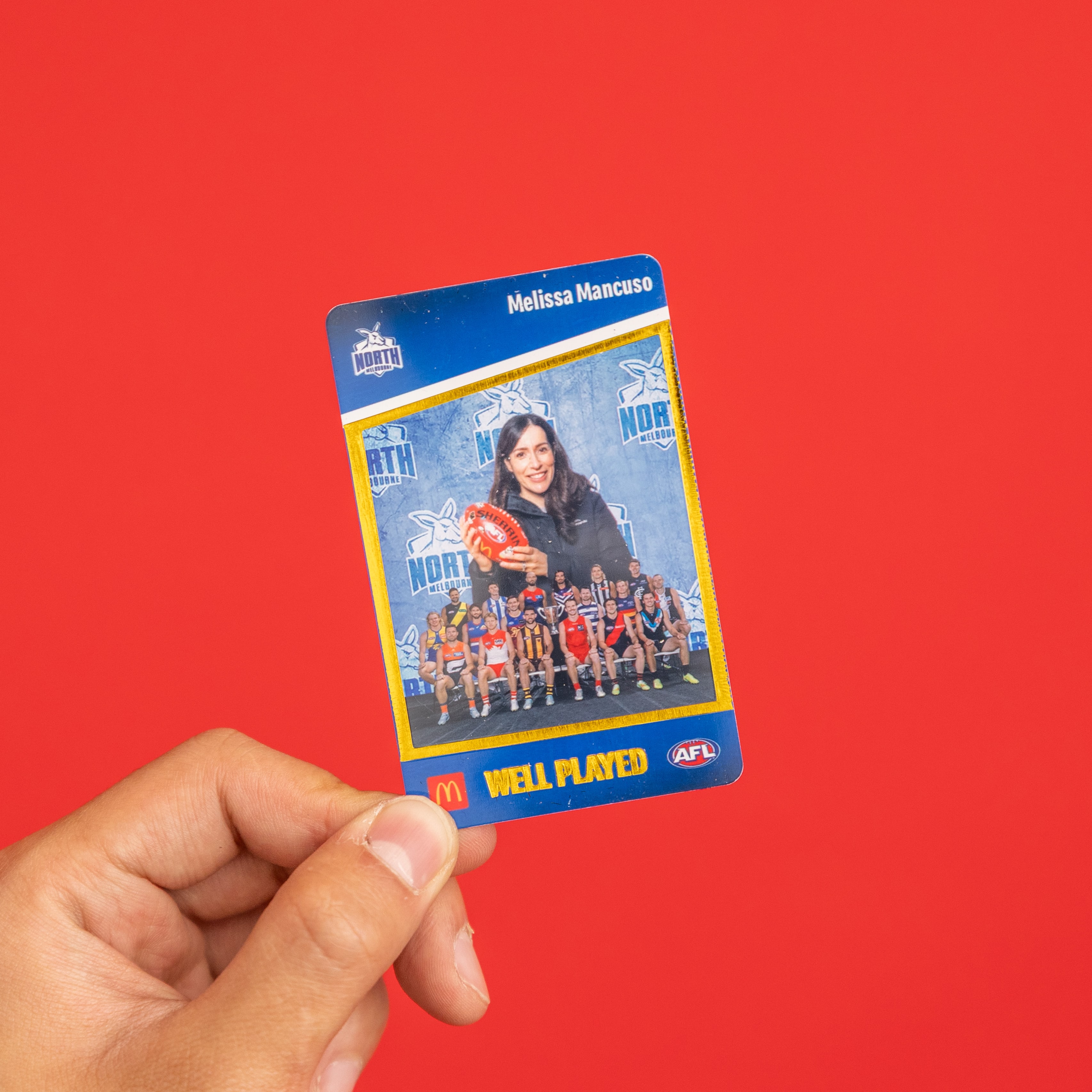
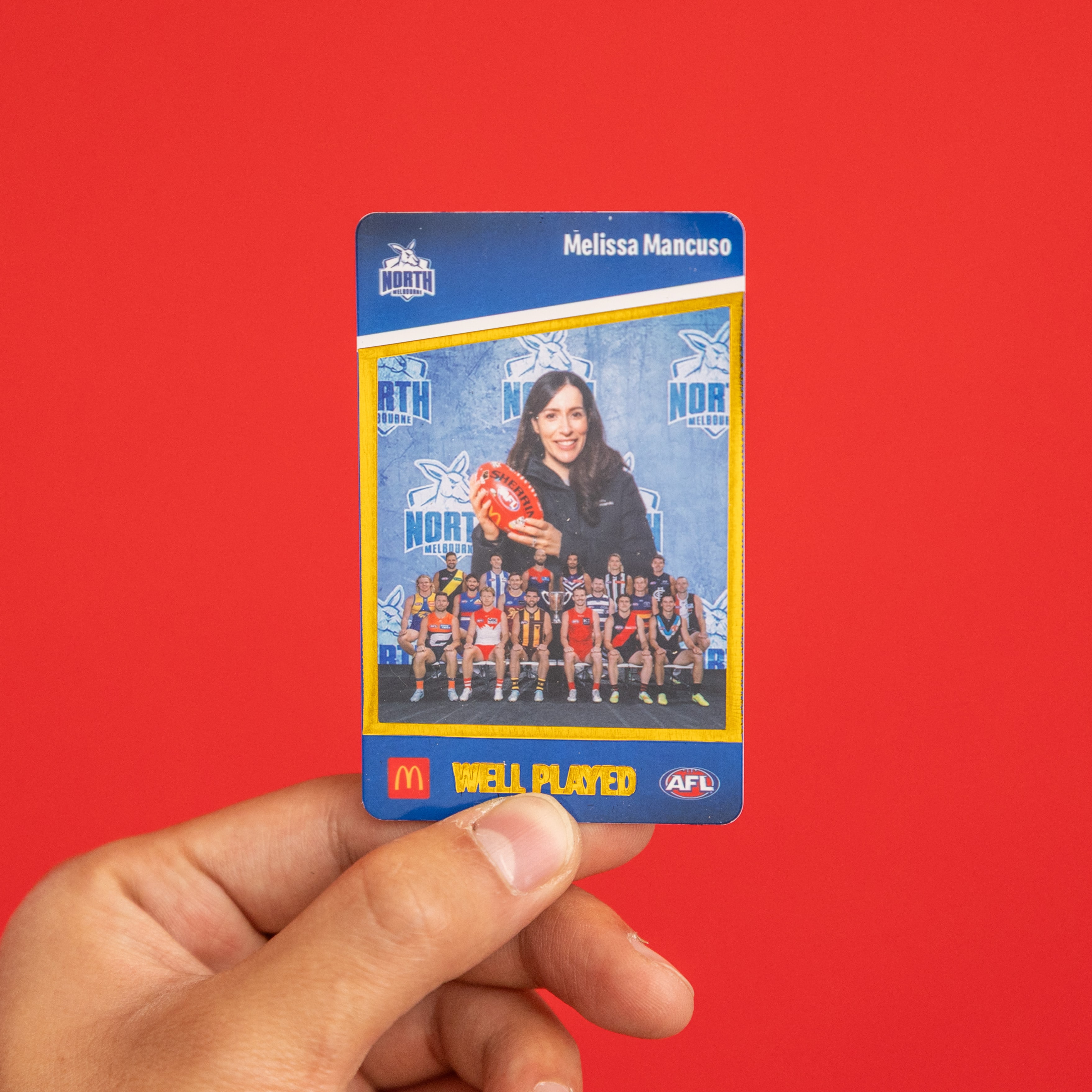
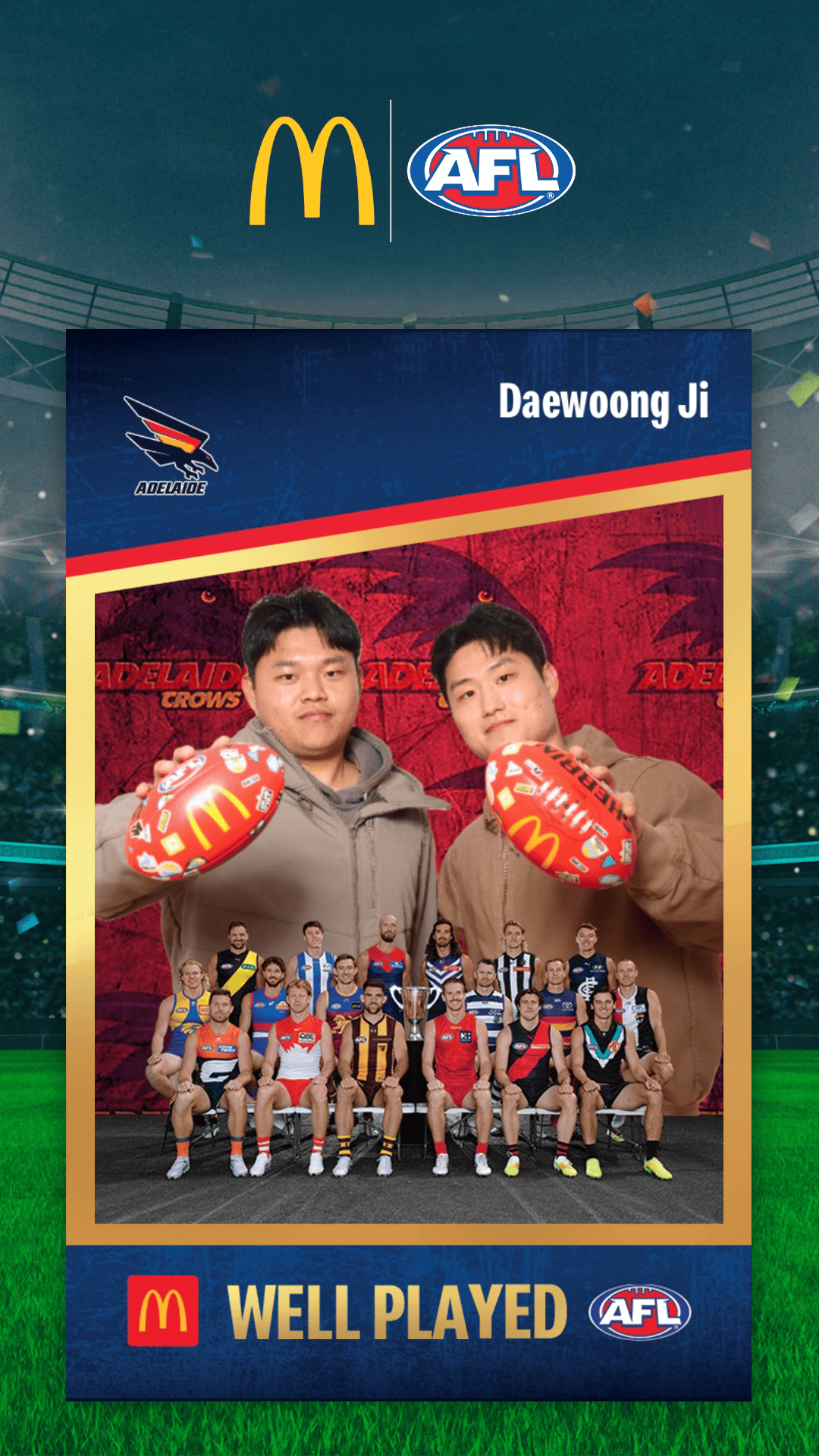
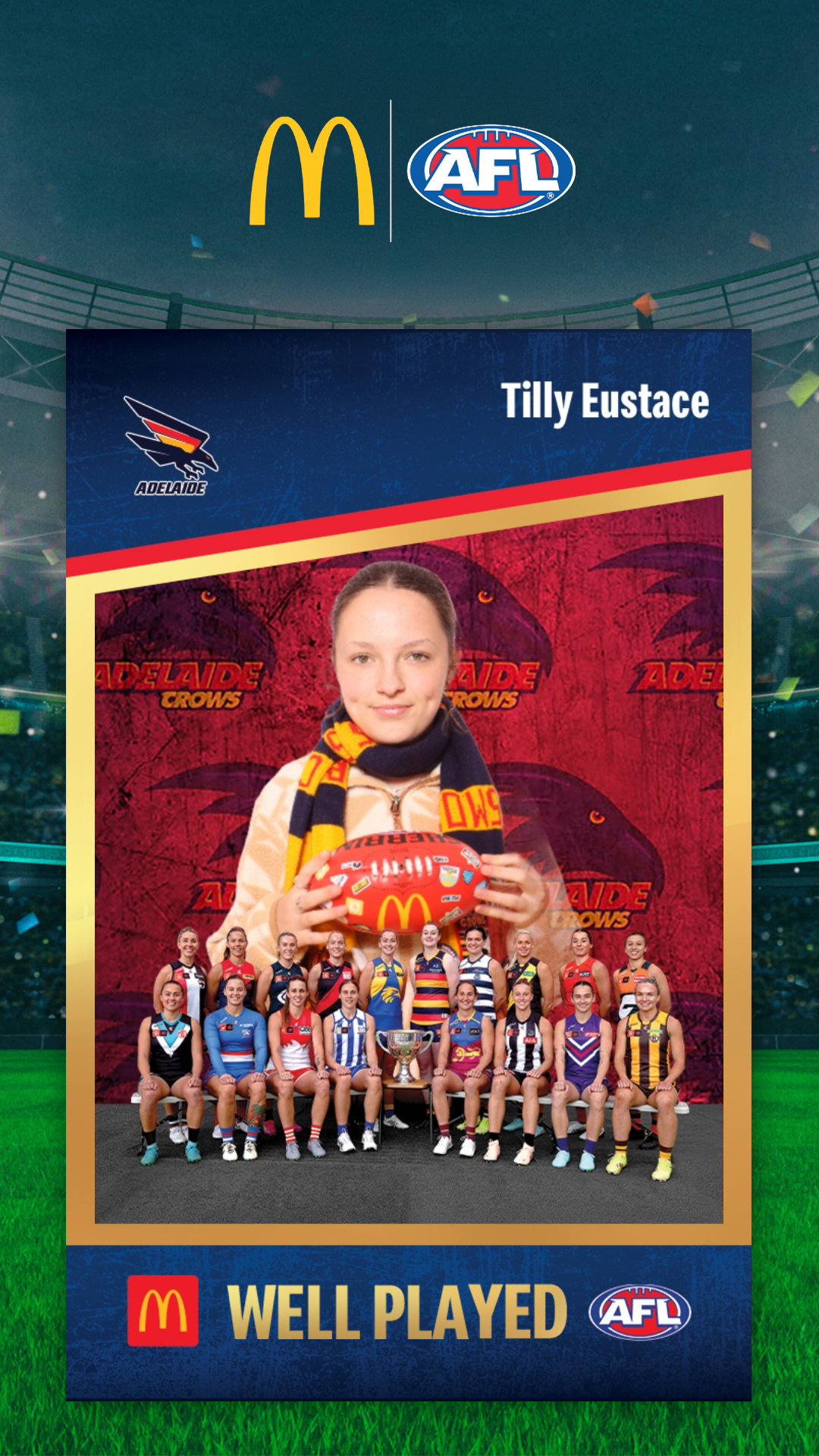
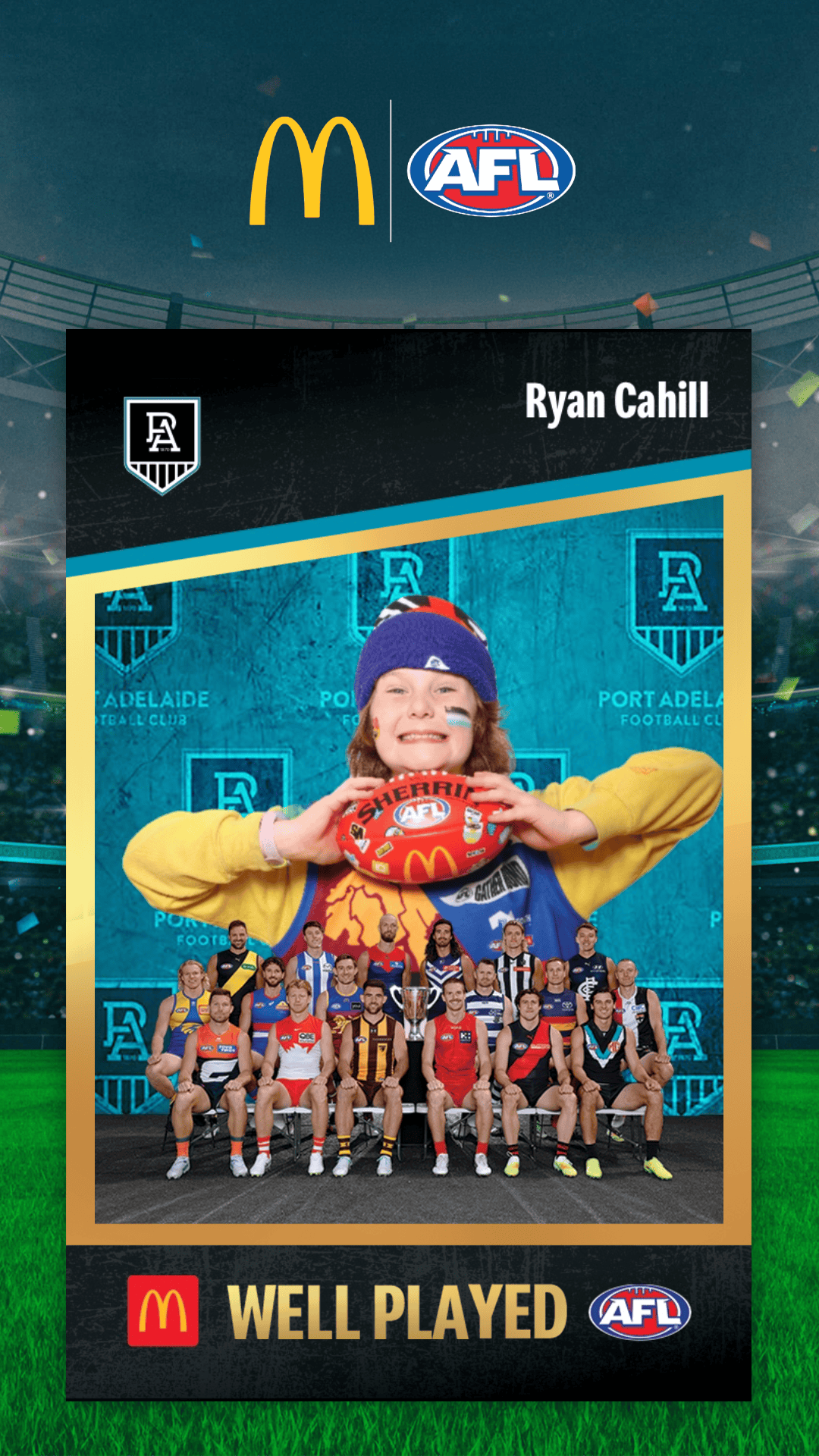
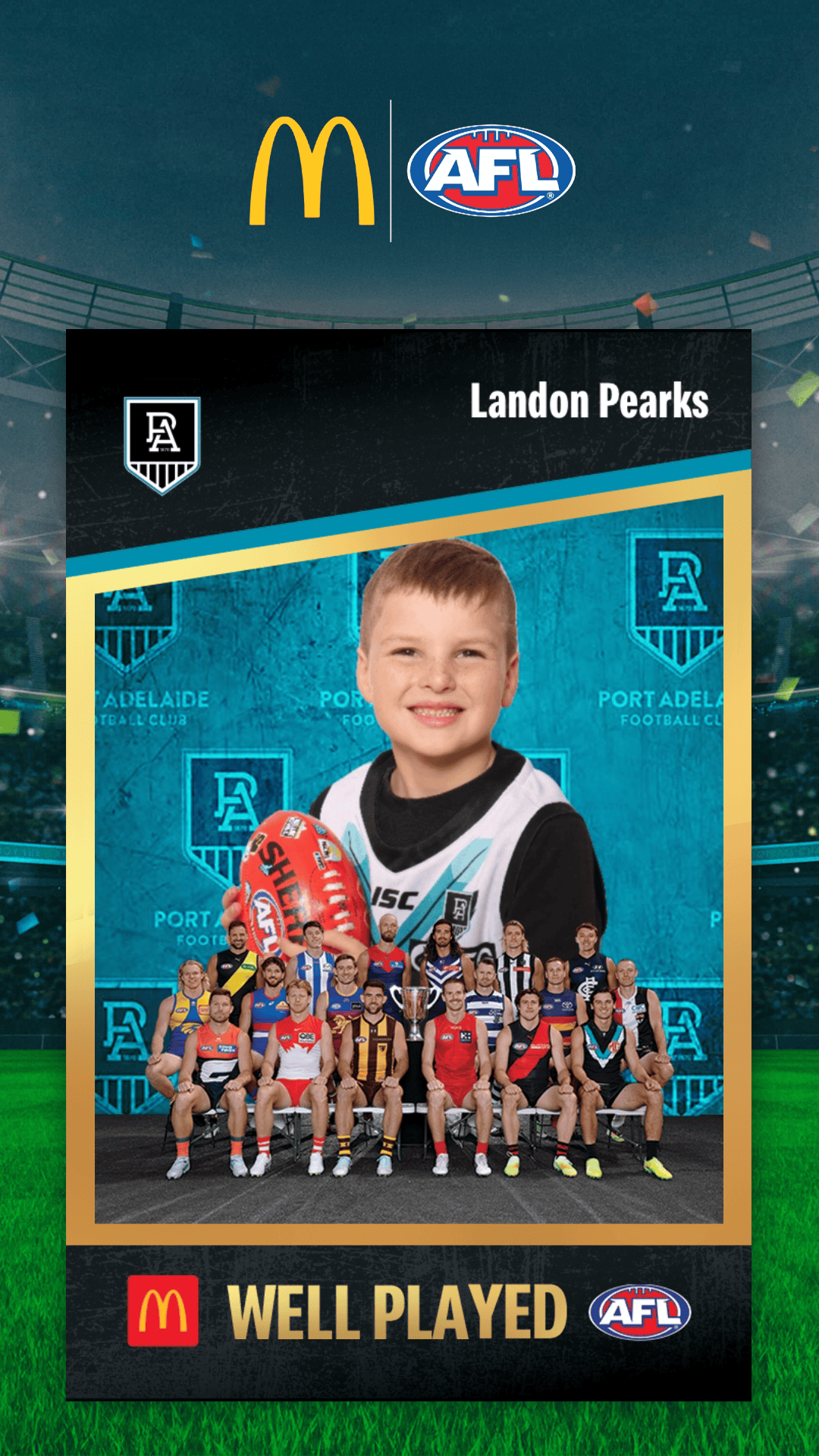
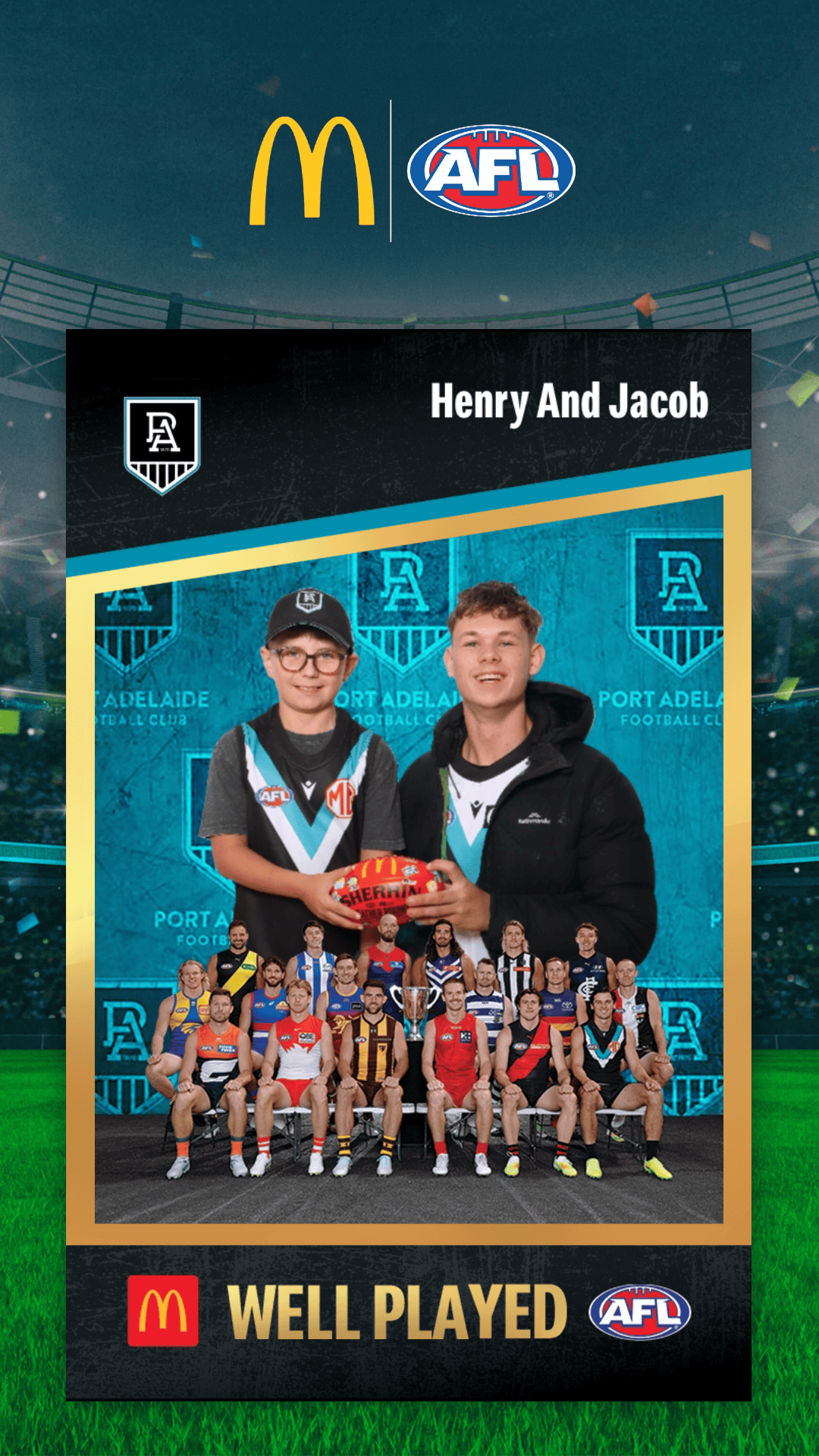
Our plan was to redesign the production workflow behind the McDonald's Captains Card activation rather than simply repeating previous years. The experience transitioned to a print-on-demand model, allowing every personalised card to be produced only after a guest participated, significantly reducing waste from uncollected cards.

A new production process was also introduced to improve the consistency of the gold foil detailing, while custom software streamlined the printing workflow to increase throughput across the event. Together, these improvements created a higher quality collectible, reduced operational waste and positioned the activation to surpass the previous production record of 2,800 personalised cards over the Footy Festival weekend.

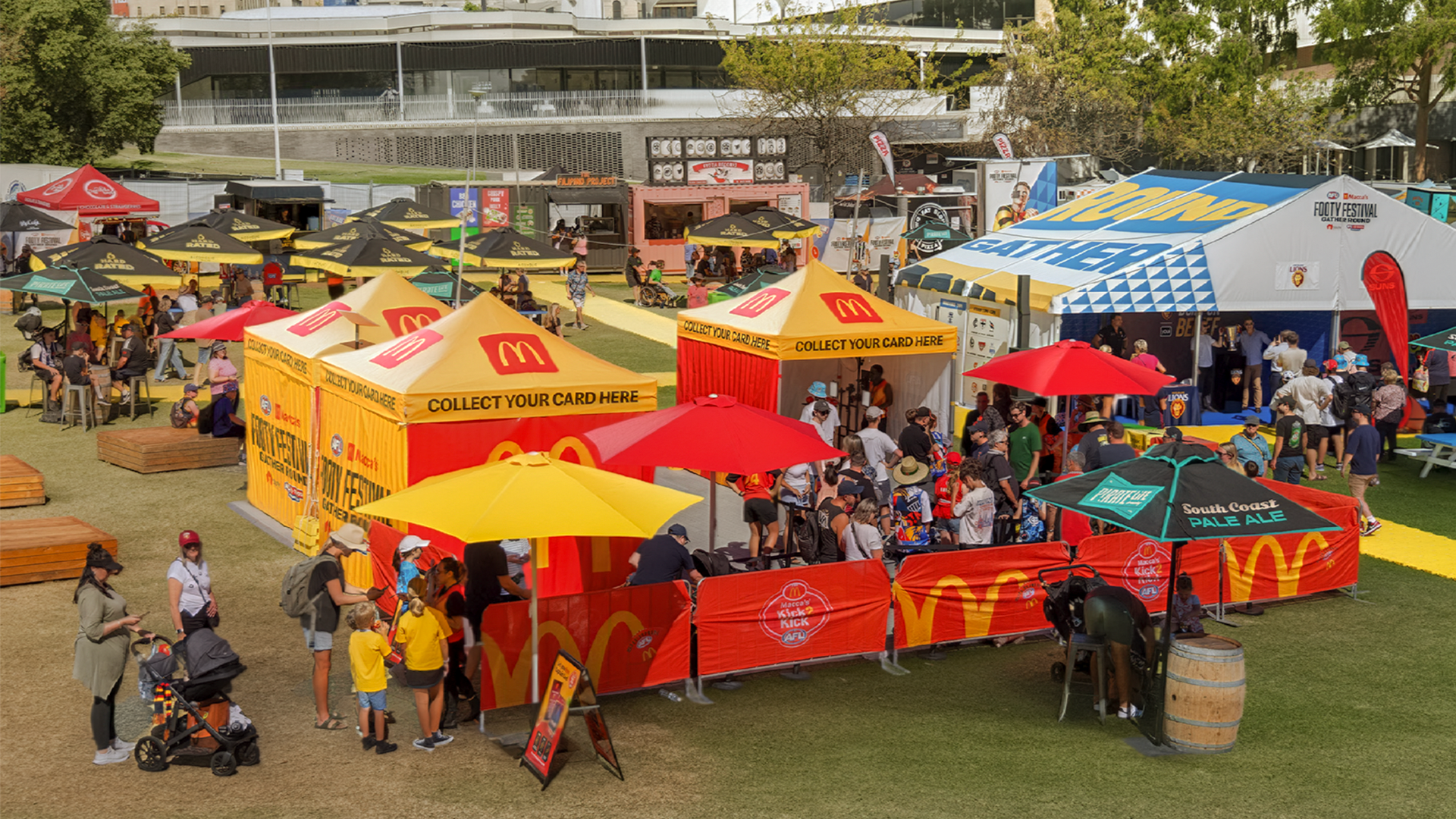
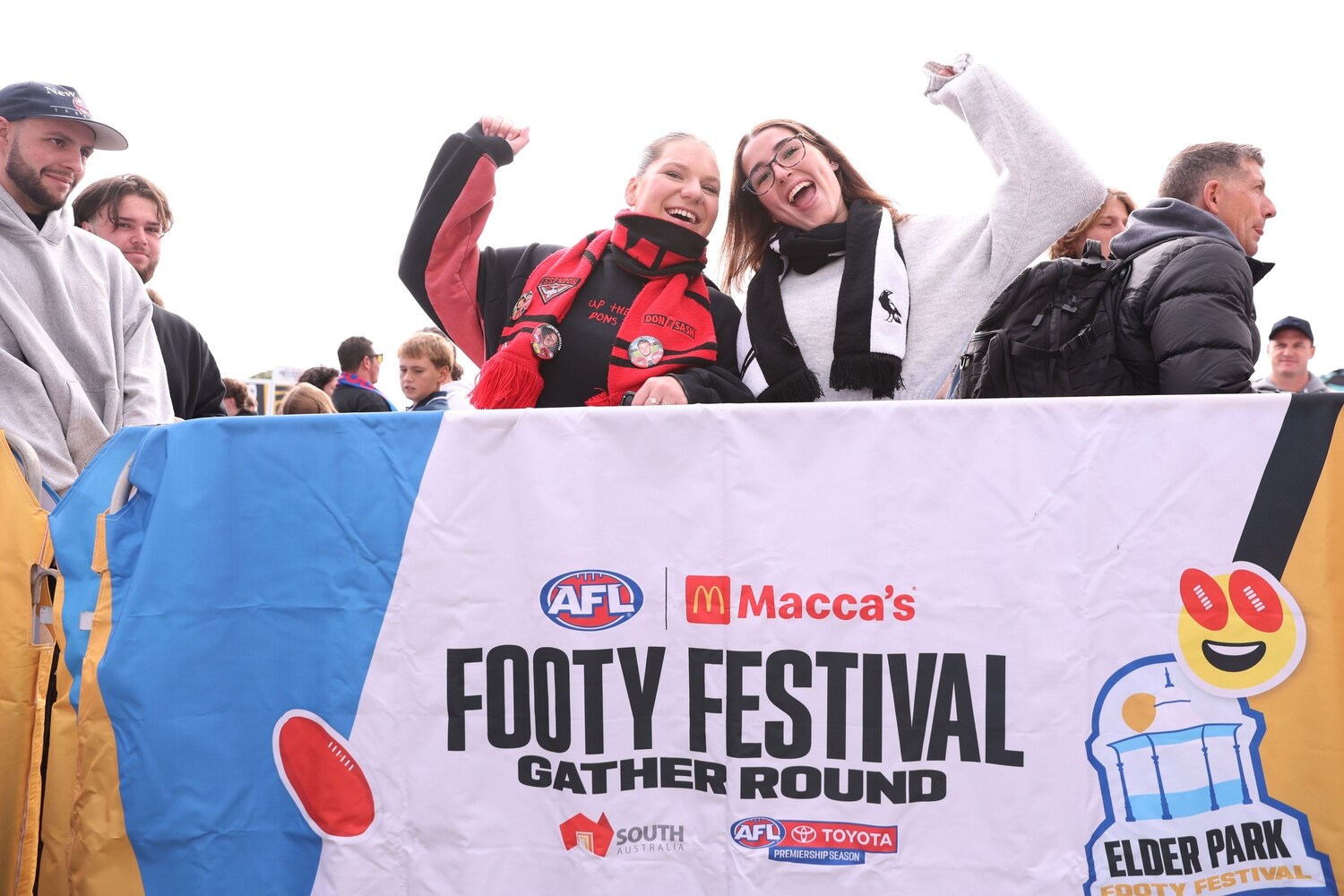
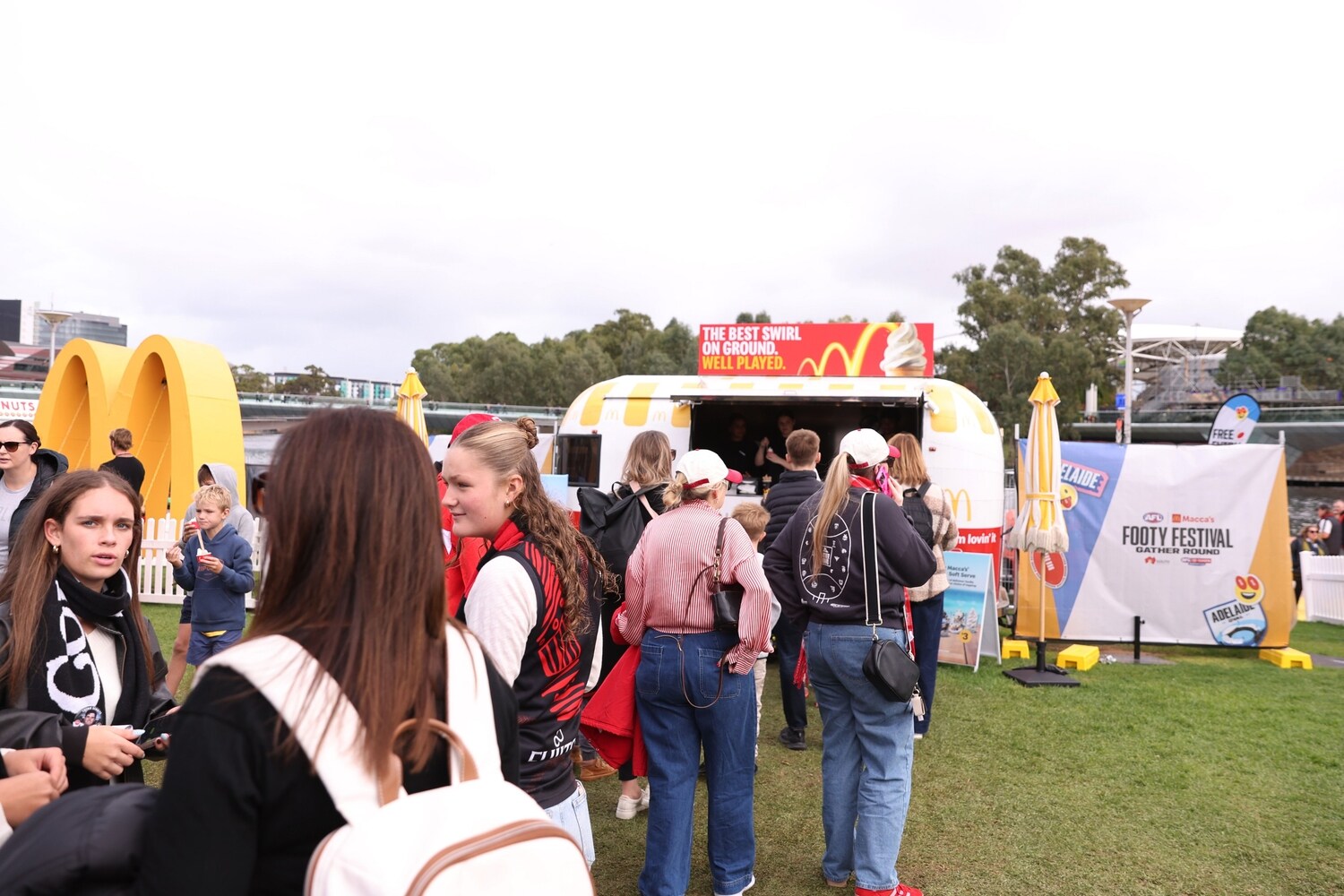
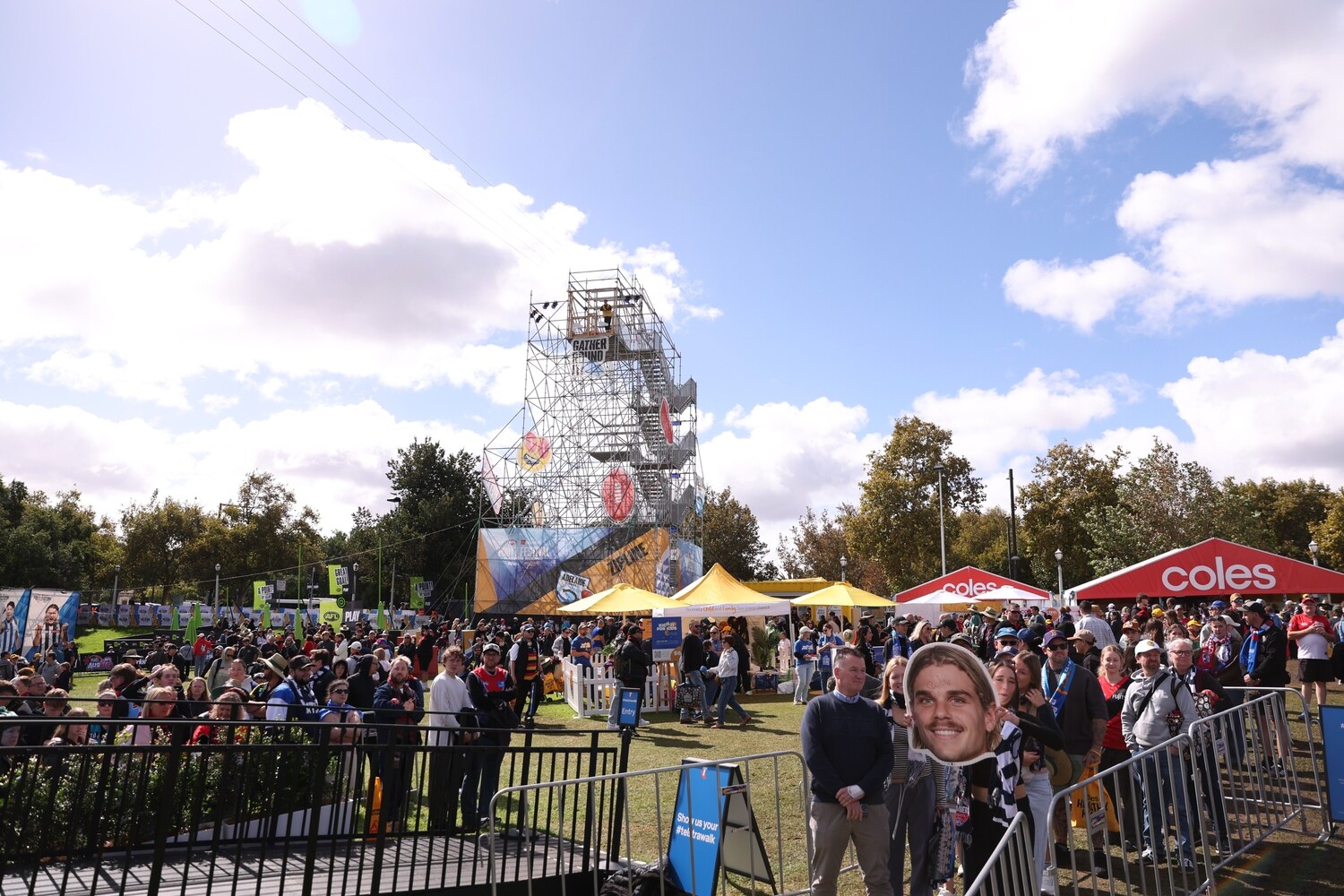
Delivering across an event exceeding 270,000 visitors over 4 days

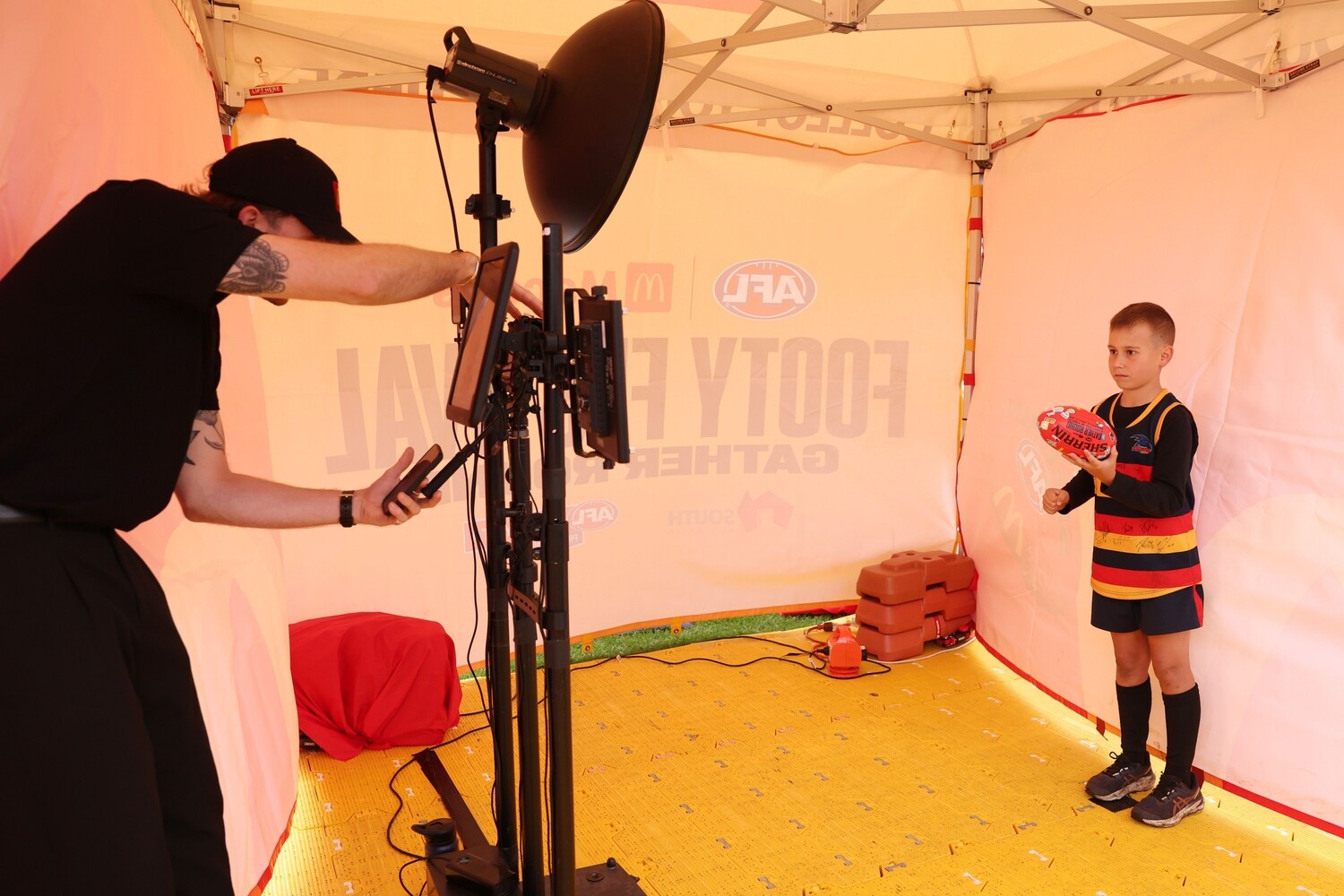
Managing high-volume card production with only a short pre-game engagement window

Reducing participant collection wait times

Eliminating lost or abandoned card collections

Fixing the gold foil issue from previous years

Rebuilding software systems without disrupting a proven activation

Maintaining reliability during continuous operation

Supporting live bug fixing and optimisation throughout the event

[

Product scope

]

Solutions used

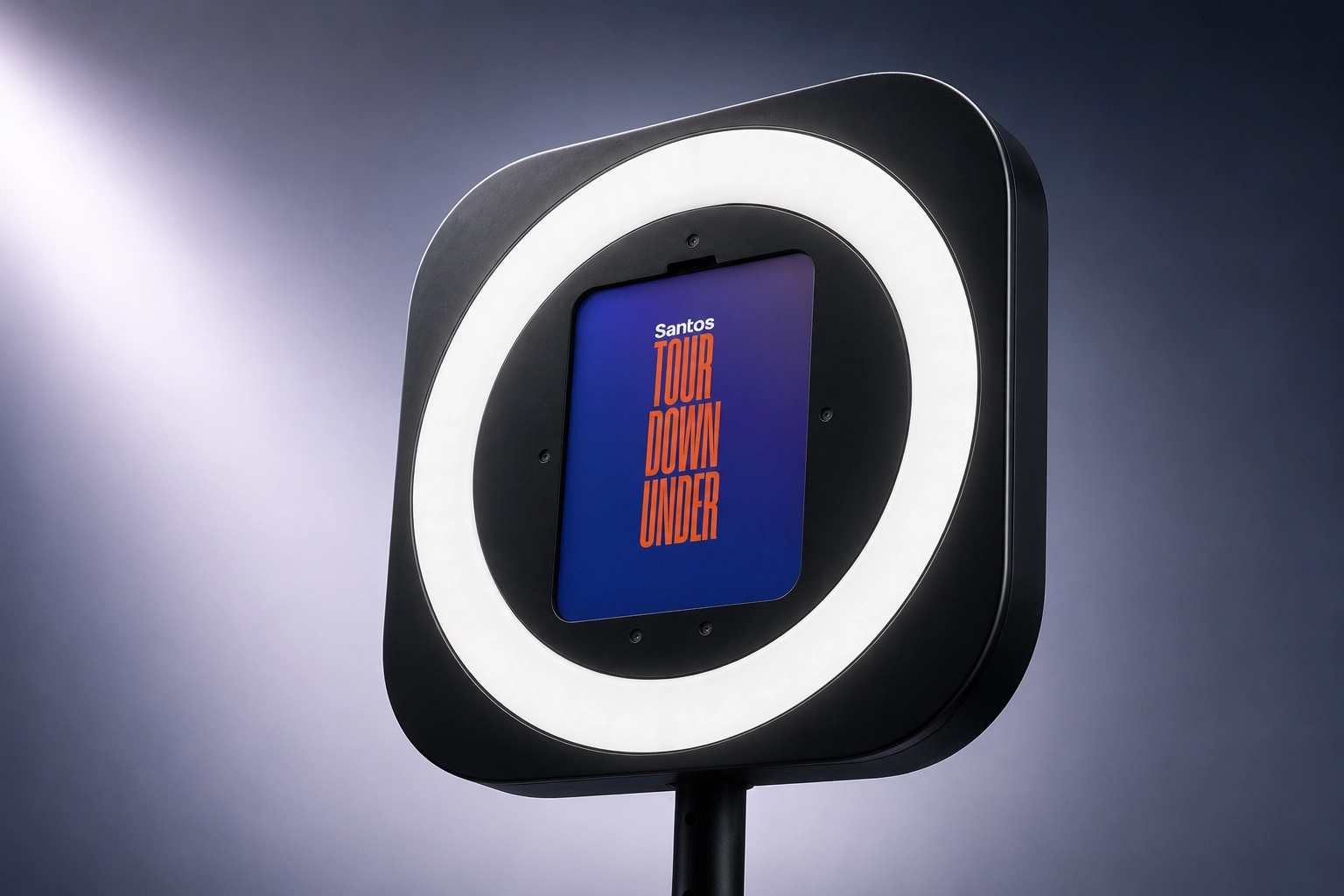
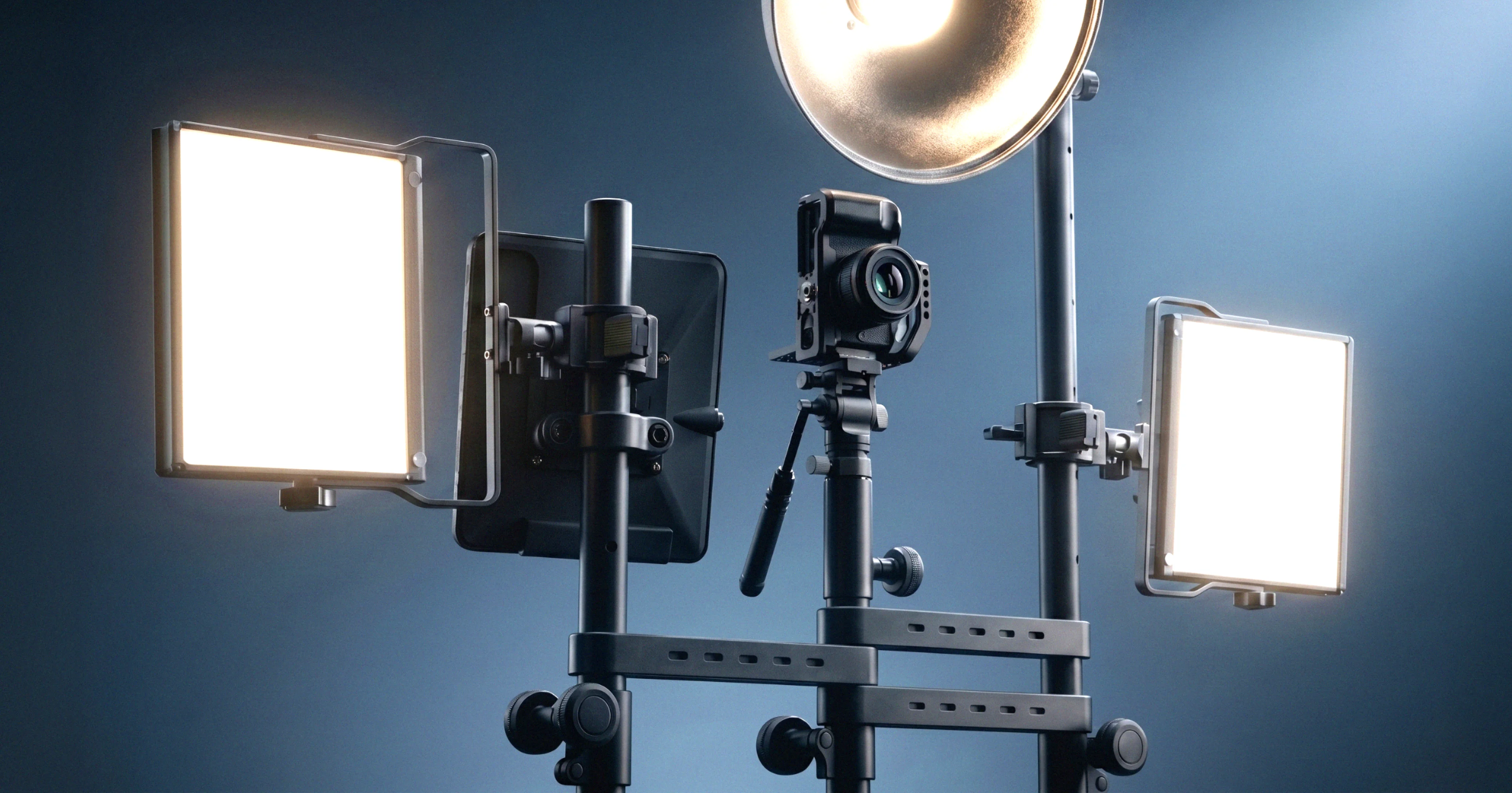
Snap Rig Pro

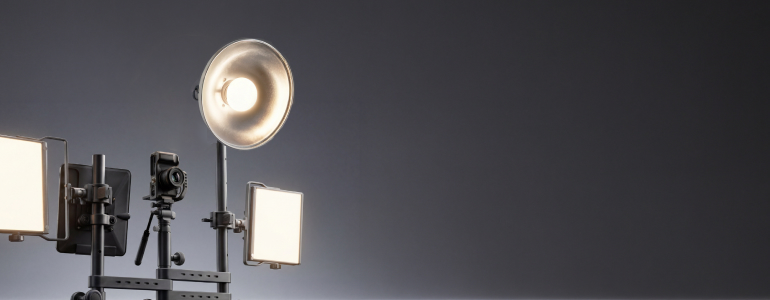
Our premium camera setup. Powered by a modular rig with full control over composition, positioning and lighting. Delivers polished, high-resolution results that go far beyond the expectations of a typical photo booth.

More info
More info

GIF Booth

Our most versitile compact camera system. Capture stills, GIFs, or boomerangs — each customised to match your campaign. Designed to deliver instant, share-ready content.

More info
More info

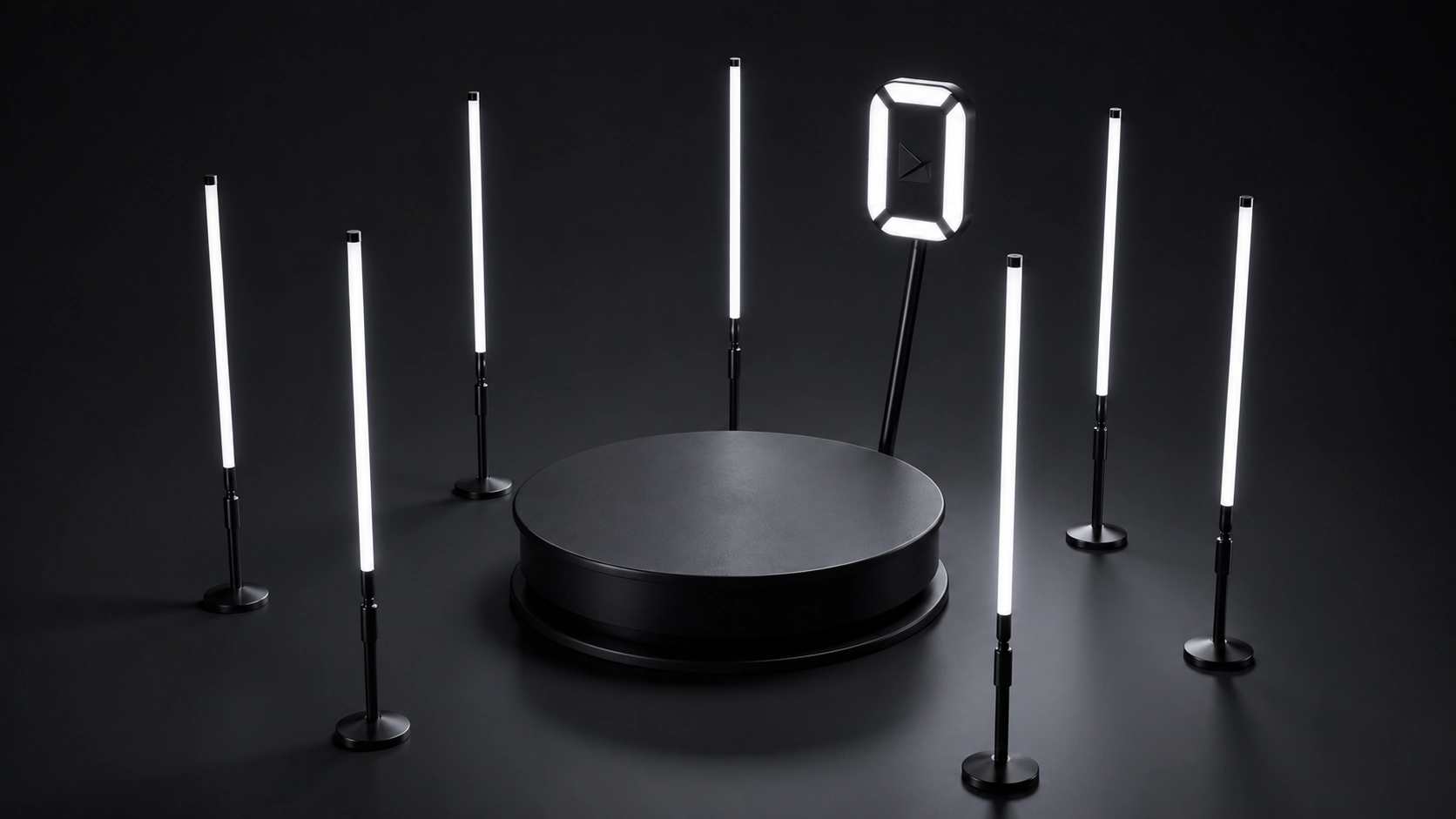
360 Pro

A premium 360° video experience built for high-impact activations. Step onto the platform as 360 Pro captures smooth, high-frame-rate footage from every angle. Delivers fully produced, share-ready videos within seconds - complete with music, effects and a bit of flair.

More info
More info

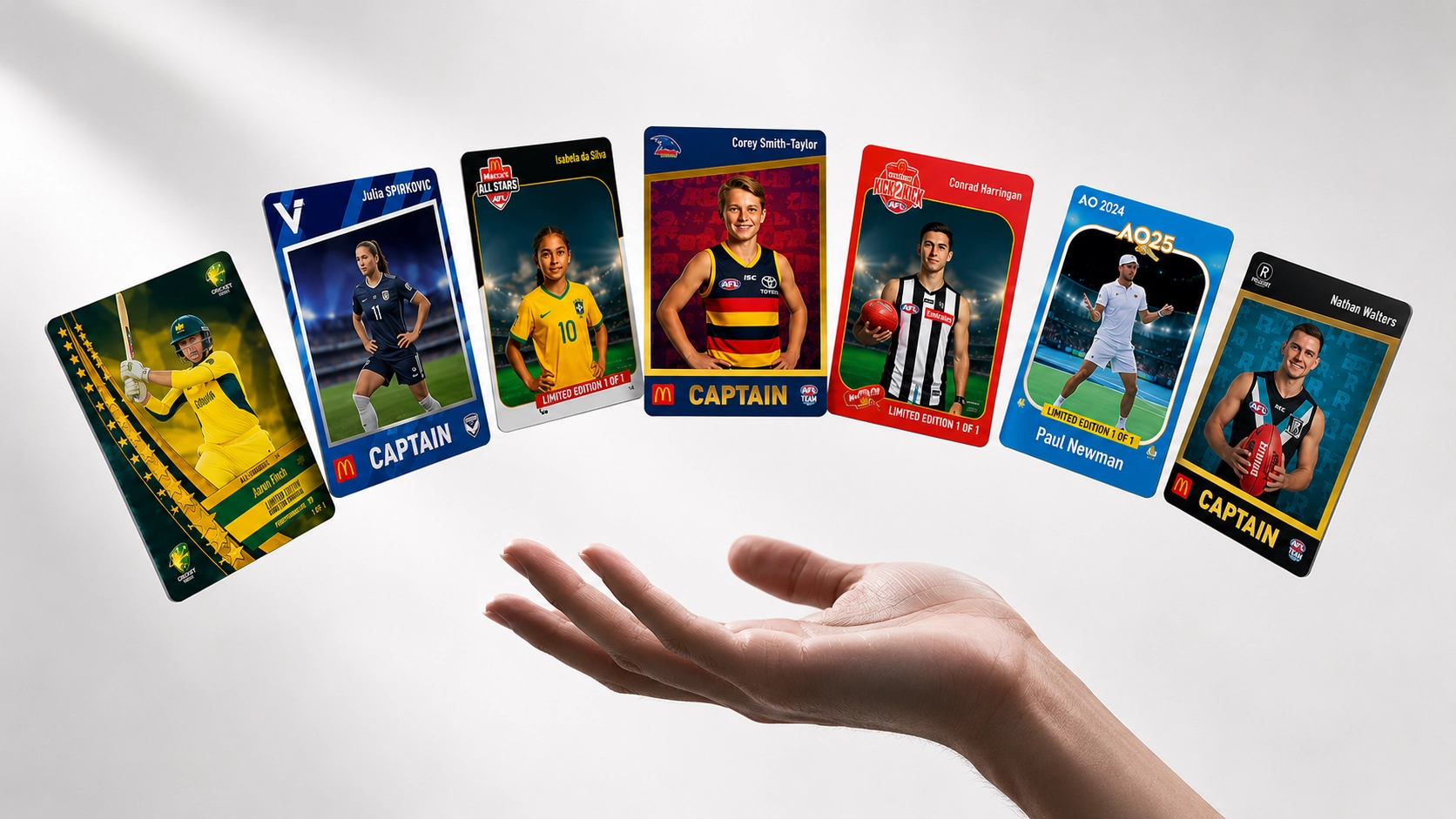
Instacard

Turn guests into the star of their own sports trading card. Produced instantly on premium stock that feels like the real thing. Keep, share and show off.

More info
More info

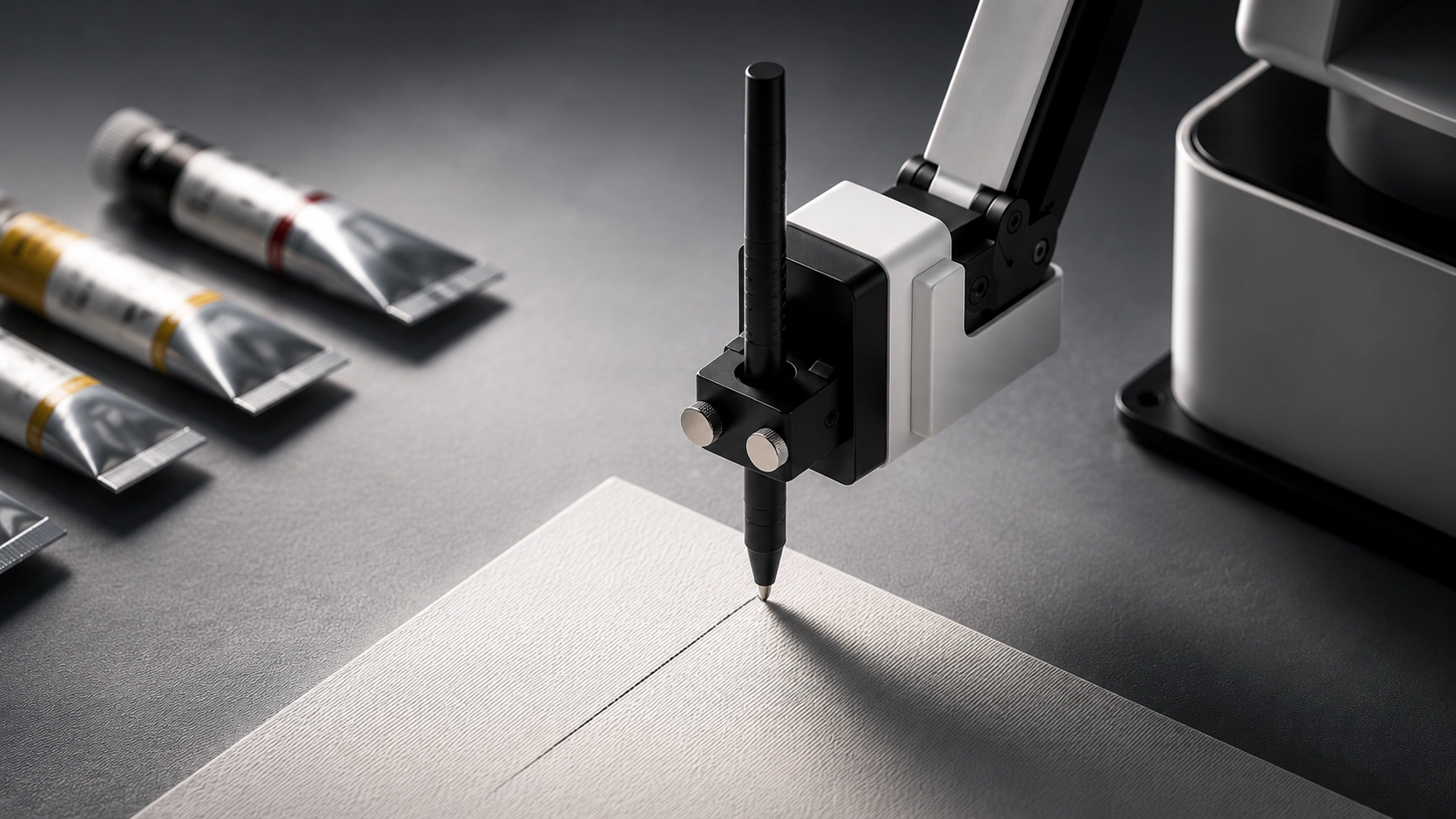
PicAIsso

A robotic artist transforms guest portraits into live-drawn artwork. After a quick photo, an AI-powered system analyses the image and begins sketching it line-by-line in real time. Turning the drawing process into the show, PicAIsso creates a moment that draws a crowd and delivers a personalised keepsake.

More info
More info

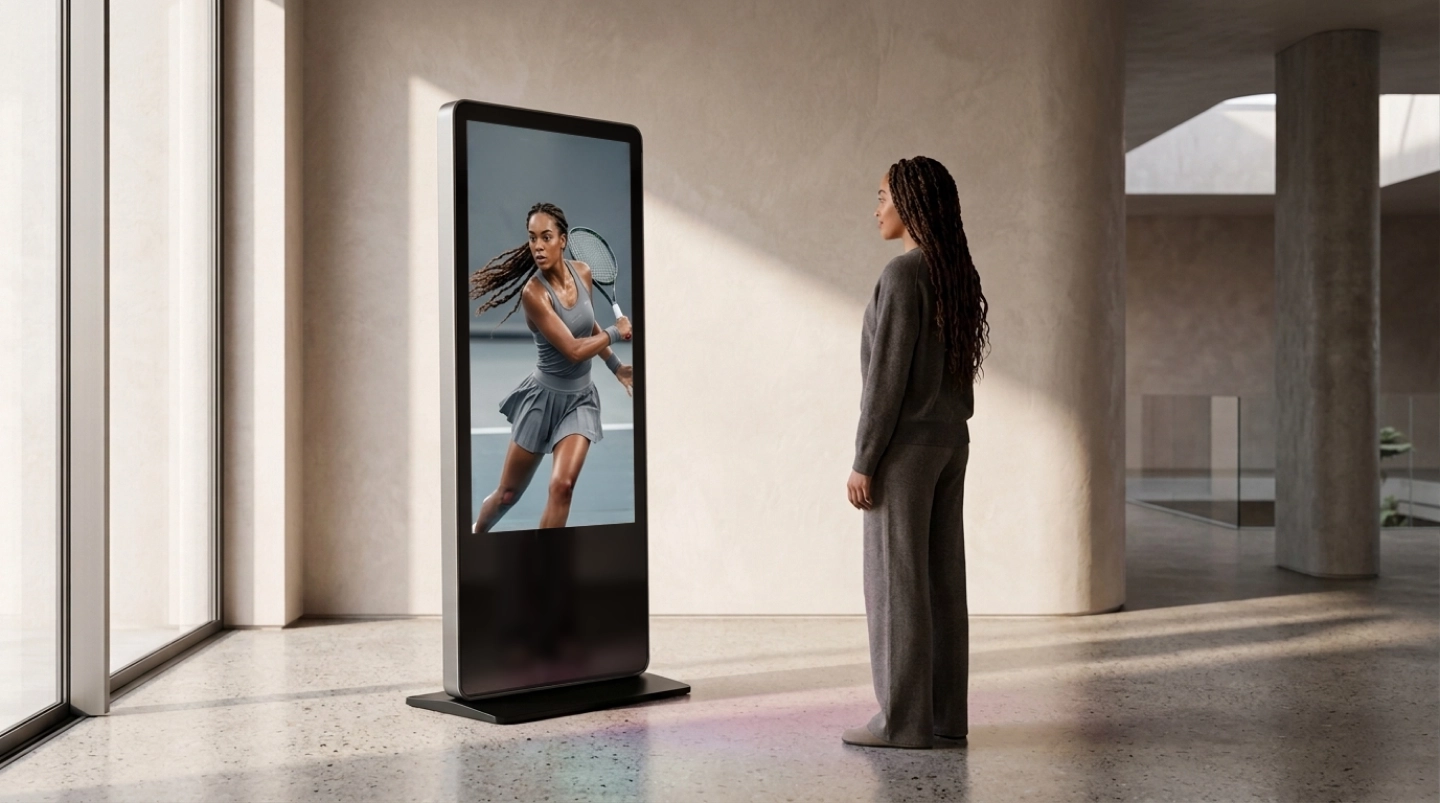
AI Mirror

A mirror-style photo experience that transforms guests in real time. Step up and watch as branded, AI styling is applied instantly - no waiting, no post-processing.

More info
More info

Instant Player Card

The most hyped Photo-Booth concept ever.

Learn more
Learn more

Snap Rig Pro

Professional Photo-Booth capture.

Learn more
Learn more

Development

Phase 1:

Solving the Foiling Problem

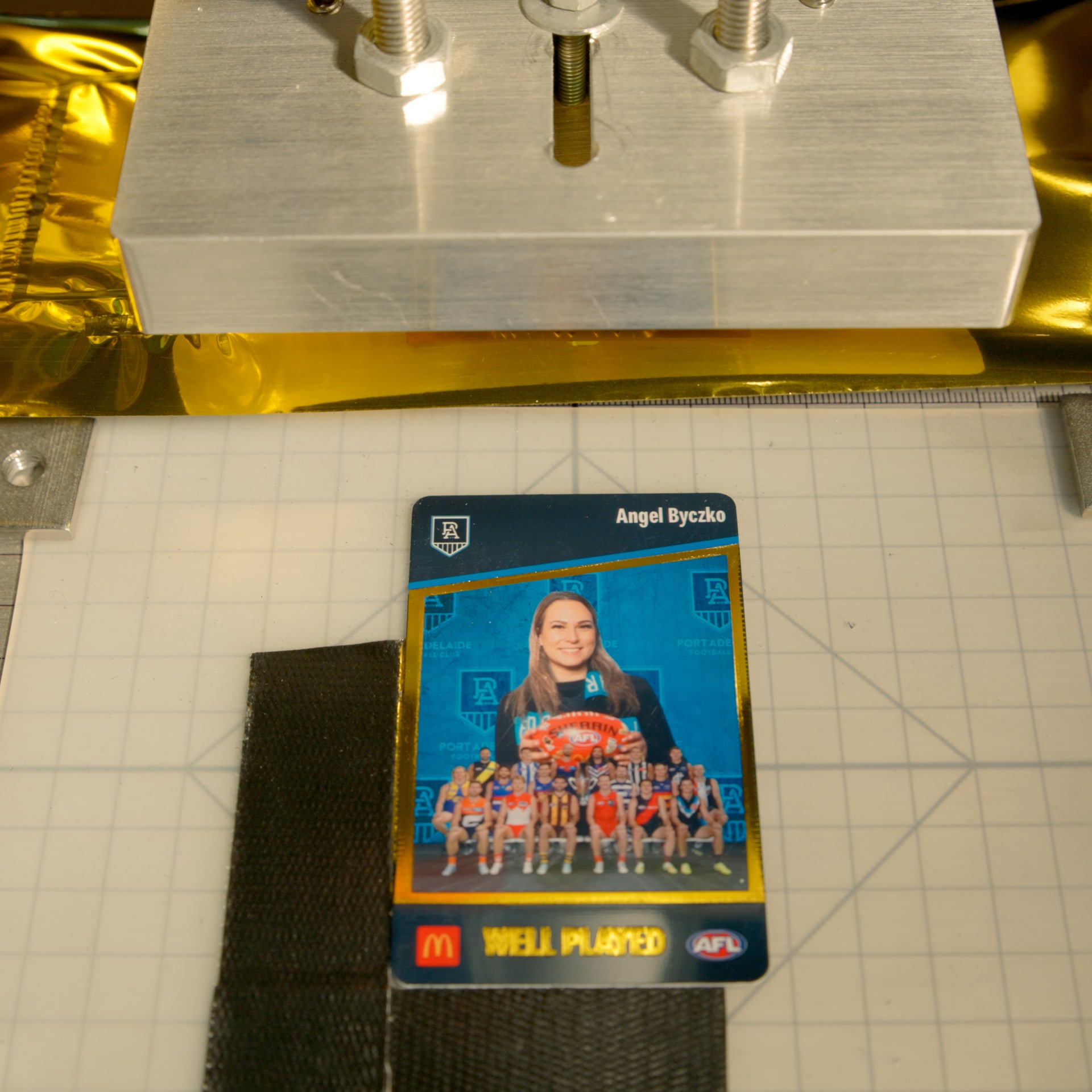
One of the biggest challenges with the Captains Card activation had always been the consistency of the gold foil detailing. Previous production methods often resulted in alignment issues, leading to rejected cards, increased waste, and longer collection times.

To solve this, we developed and tested our own on-demand foiling workflow, giving us greater control over quality while reducing waste and improving production efficiency.

Phase 2:

Complete Software Rebuild

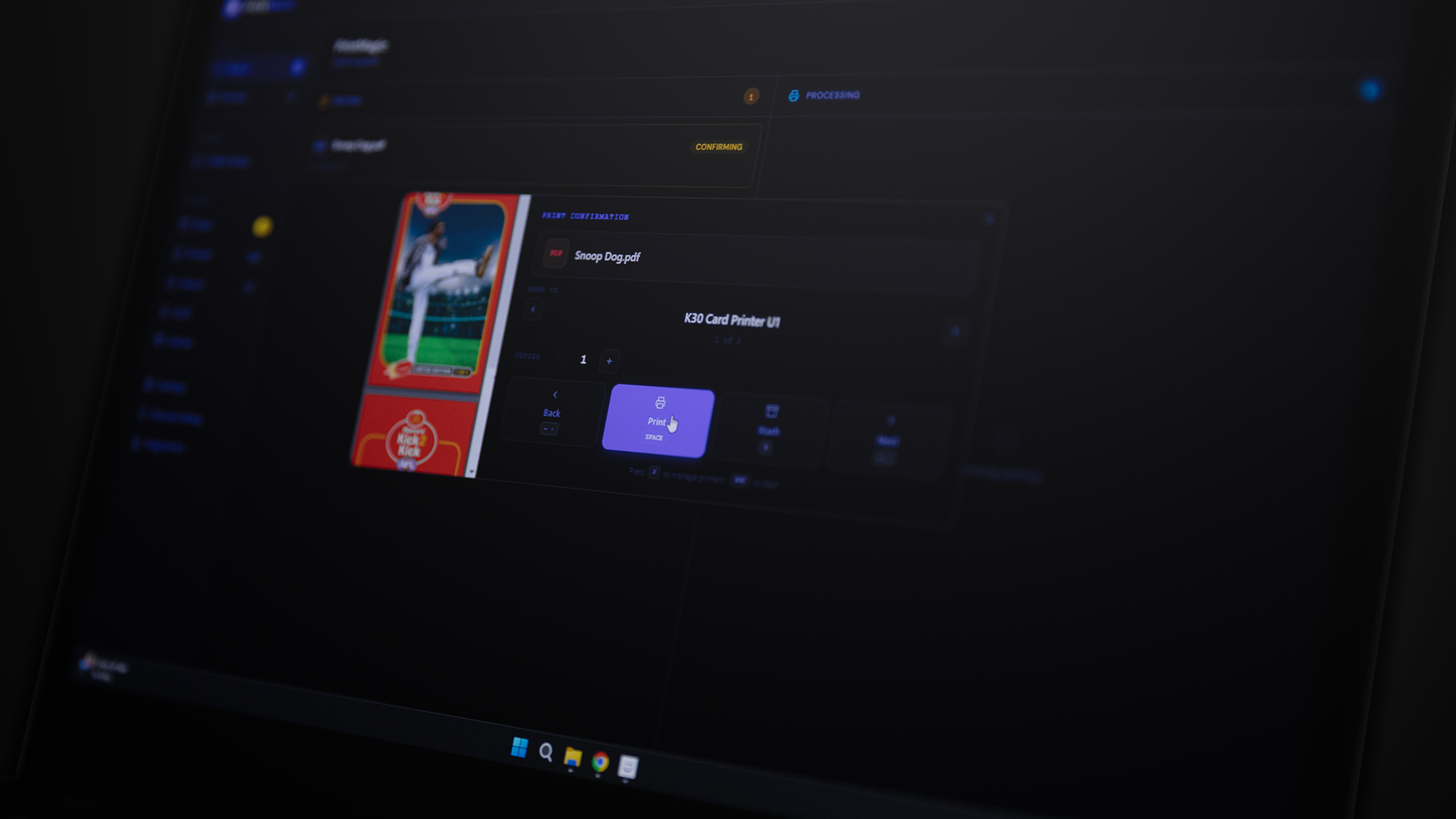
The largest investment for the 2026 activation was a complete rebuild of the production software. Previous workflows relied on multiple disconnected systems, creating delays of up to one minute between photo capture and print production.

During peak periods, these delays caused long collection queues, with many guests leaving before collecting their personalised cards. To solve this, we redeveloped both the iOS photo booth software and the Windows production system, investing approximately 70 hours of development and providing on-site technical support throughout the event.

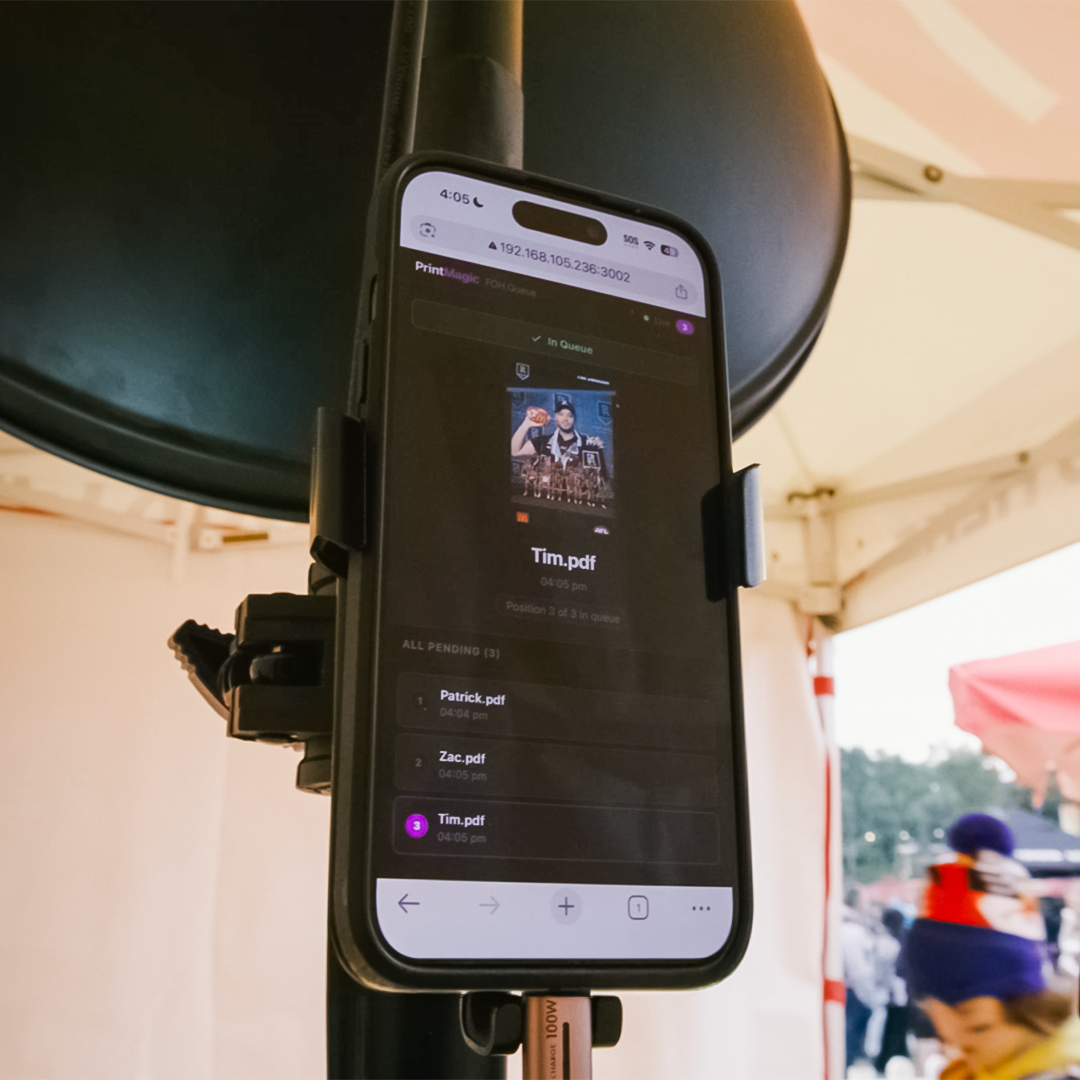
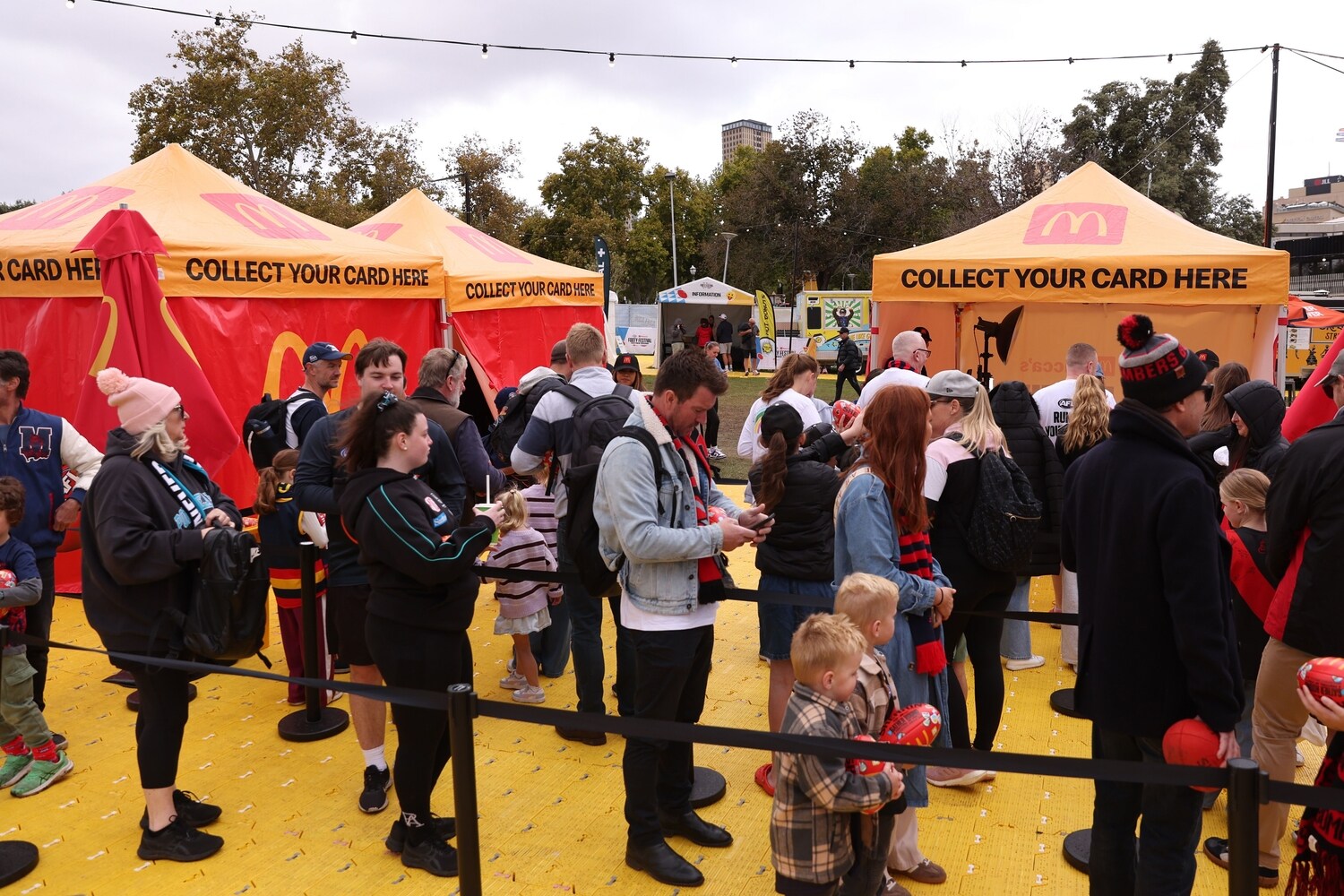
The new workflow reduced the time from photo capture to print production from around 60 seconds to just 7 seconds, significantly improving throughput while reducing abandoned collections.

Phase 3:

Scan-to-Print Workflow

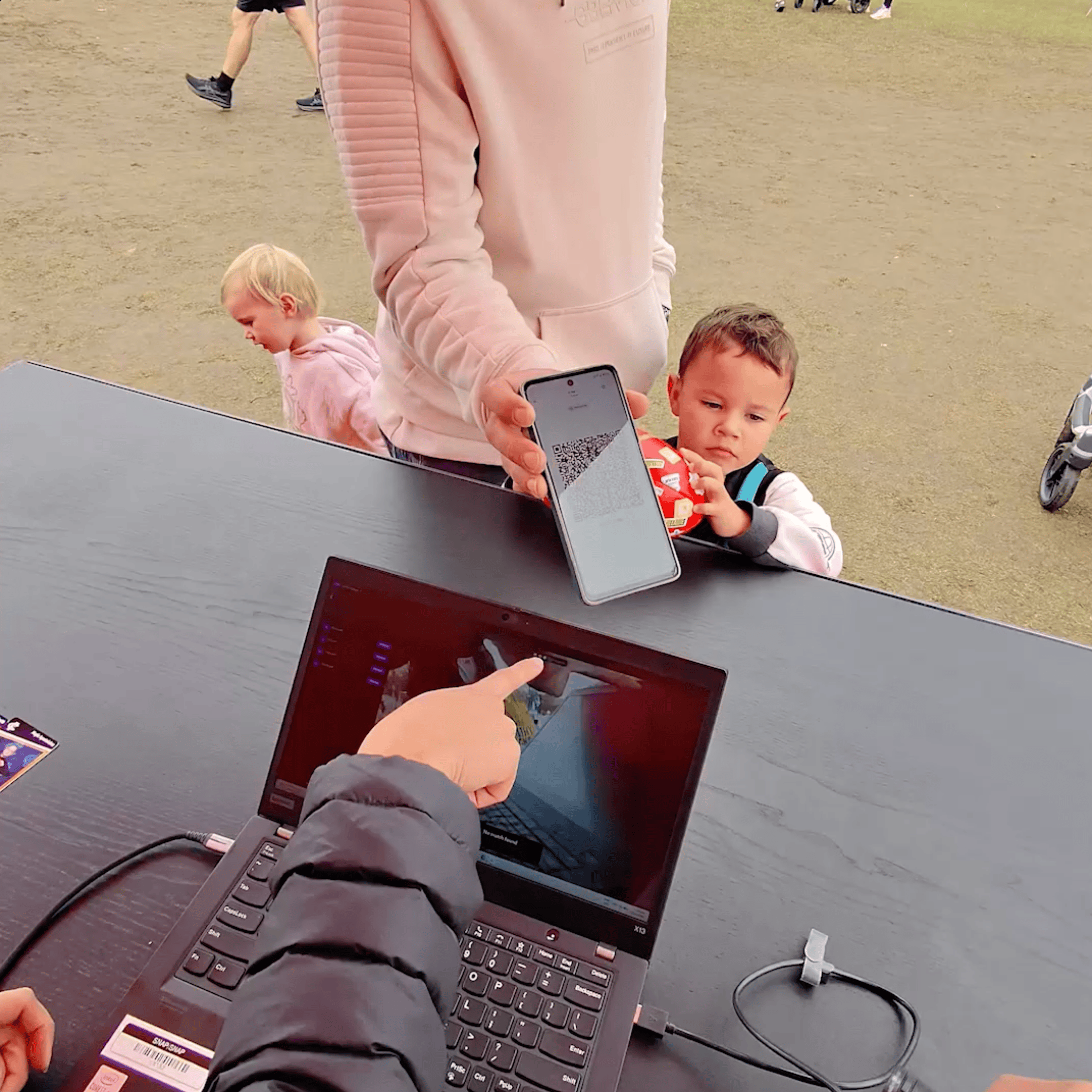
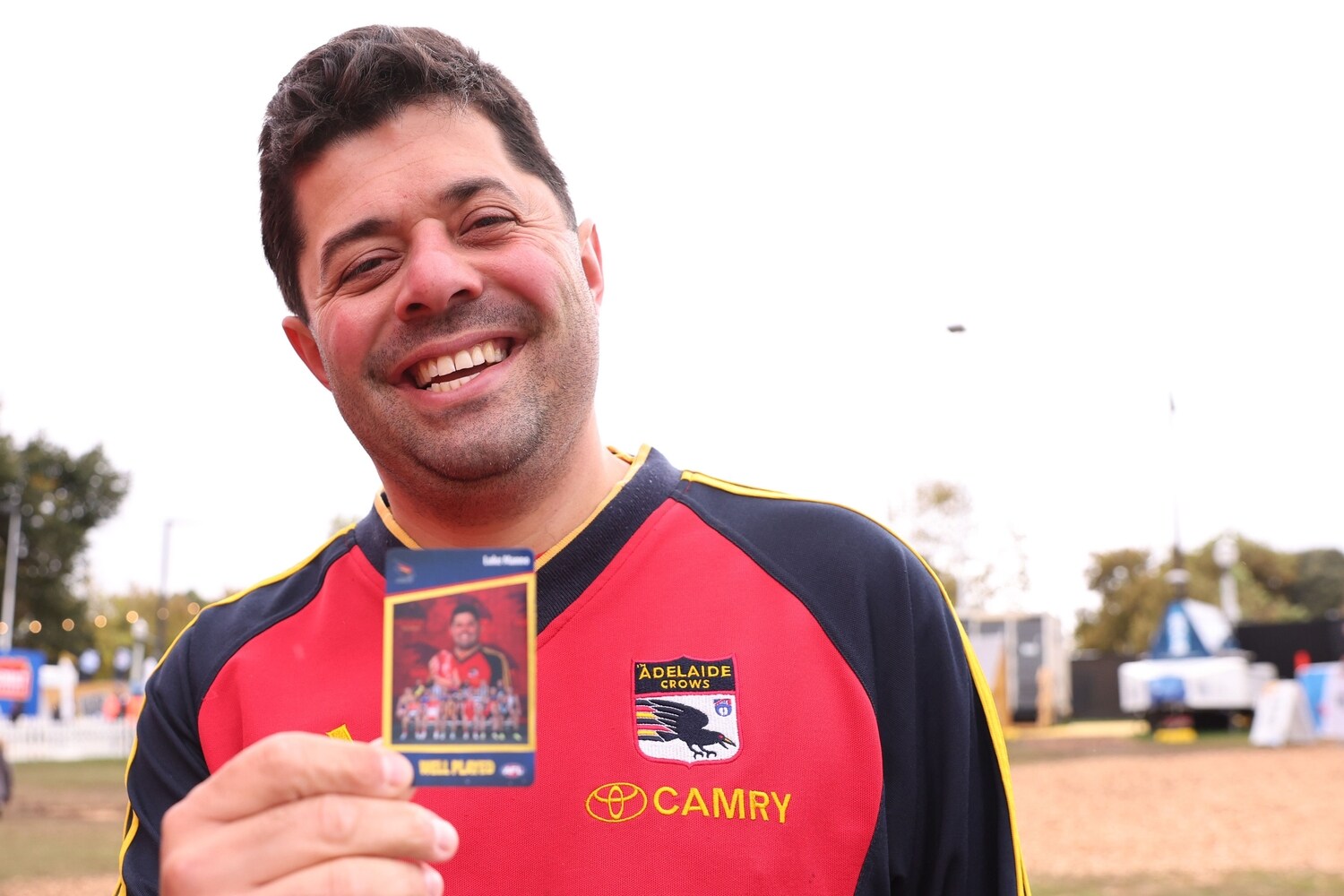
The software rebuild also enabled us to introduce a new Scan-to-Print workflow. Rather than printing cards immediately after a photo was taken, production was triggered only when the participant was ready to collect their card using the same QR code they received at registration.

This transformed the activation into a true print-on-demand system, virtually eliminating abandoned collections and the need to store or manually search through hundreds of completed cards. The result was a faster, cleaner workflow that reduced waste and significantly improved the collection experience.

Phase 4:

Live Optimisation & Reliability Improvements

Throughout testing and live operation, we continued refining the production software to improve reliability and performance. As opportunities for optimisation were identified, our developers implemented live software updates, bug fixes, and new workflow improvements.
One of these updates introduced an iOS confirmation system that immediately notified the camera operator once an image had been successfully transferred to the production queue, eliminating unnecessary re-takes caused by uncertainty. This iterative approach ensured the activation remained stable while continuously improving over the four-day event.

Phase 1:

Solving the Foiling Problem

[ Phase 1 ]

Solving the Foiling Problem

One of the biggest challenges with the Captains Card activation had always been the consistency of the gold foil detailing. Previous production methods often resulted in alignment issues, leading to rejected cards, increased waste, and longer collection times.

To solve this, we developed and tested our own on-demand foiling workflow, giving us greater control over quality while reducing waste and improving production efficiency.

[ Phase 2 ]

Complete Software Rebuild

Phase 2:

Complete Software Rebuild

The largest investment for the 2026 activation was a complete rebuild of the production software. Previous workflows relied on multiple disconnected systems, creating delays of up to one minute between photo capture and print production.

During peak periods, these delays caused long collection queues, with many guests leaving before collecting their personalised cards. To solve this, we redeveloped both the iOS photo booth software and the Windows production system, investing approximately 70 hours of development and providing on-site technical support throughout the event.

The new workflow reduced the time from photo capture to print production from around 60 seconds to just 7 seconds, significantly improving throughput while reducing abandoned collections.

[ Phase 3 ]

Scan-to-Print Workflow

Phase 3:

Scan-to-Print Workflow

The software rebuild also enabled us to introduce a new Scan-to-Print workflow. Rather than printing cards immediately after a photo was taken, production was triggered only when the participant was ready to collect their card using the same QR code they received at registration.

This transformed the activation into a true print-on-demand system, virtually eliminating abandoned collections and the need to store or manually search through hundreds of completed cards. The result was a faster, cleaner workflow that reduced waste and significantly improved the collection experience.

[ Phase 4 ]

Live Optimisation & Reliability Improvements

Phase 4:

Live Optimisation & Reliability Improvements

Throughout testing and live operation, we continued refining the production software to improve reliability and performance. As opportunities for optimisation were identified, our developers implemented live software updates, bug fixes, and new workflow improvements.
One of these updates introduced an iOS confirmation system that immediately notified the camera operator once an image had been successfully transferred to the production queue, eliminating unnecessary re-takes caused by uncertainty. This iterative approach ensured the activation remained stable while continuously improving over the four-day event.

Development

Phase 1:

Solving the Foiling Problem

[ Phase 1 ]

Solving the Foiling Problem

One of the biggest challenges with the Captains Card activation had always been the consistency of the gold foil detailing. Previous production methods often resulted in alignment issues, leading to rejected cards, increased waste, and longer collection times.
To solve this, we developed and tested our own on-demand foiling workflow, giving us greater control over quality while reducing waste and improving production efficiency.
Phase 1:

Solving the Foiling Problem

[ Phase 2 ]

Complete Software Rebuild

The largest investment for the 2026 activation was a complete rebuild of the production software. Previous workflows relied on multiple disconnected systems, creating delays of up to one minute between photo capture and print production.

During peak periods, these delays caused long collection queues, with many guests leaving before collecting their personalised cards. To solve this, we redeveloped both the iOS photo booth software and the Windows production system, investing approximately 70 hours of development and providing on-site technical support throughout the event.

The new workflow reduced the time from photo capture to print production from around 60 seconds to just 7 seconds, significantly improving throughput while reducing abandoned collections.

Phase 1:

Solving the Foiling Problem

[ Phase 3 ]

Scan-to-Print Workflow

The software rebuild also enabled us to introduce a new Scan-to-Print workflow. Rather than printing cards immediately after a photo was taken, production was triggered only when the participant was ready to collect their card using the same QR code they received at registration.

This transformed the activation into a true print-on-demand system, virtually eliminating abandoned collections and the need to store or manually search through hundreds of completed cards. The result was a faster, cleaner workflow that reduced waste and significantly improved the collection experience.

Phase 1:

Solving the Foiling Problem

[ Phase 4 ]

Live Optimisation & Reliability Improvements

Throughout testing and live operation, we continued refining the production software to improve reliability and performance. As opportunities for optimisation were identified, our developers implemented live software updates, bug fixes, and new workflow improvements.

One of these updates introduced an iOS confirmation system that immediately notified the camera operator once an image had been successfully transferred to the production queue, eliminating unnecessary re-takes caused by uncertainty. This iterative approach ensured the activation remained stable while continuously improving over the four-day event.

Development

[

Phase 1

]

Solving the Foiling Problem

One of the biggest challenges with the Captains Card activation had always been the consistency of the gold foil detailing. Previous production methods often resulted in alignment issues, leading to rejected cards, increased waste, and longer collection times.

To solve this, we developed and tested our own on-demand foiling workflow, giving us greater control over quality while reducing waste and improving production efficiency.

[

Phase 2

]

Complete Software Rebuild

The largest investment for the 2026 activation was a complete rebuild of the production software. Previous workflows relied on multiple disconnected systems, creating delays of up to one minute between photo capture and print production.

During peak periods, these delays caused long collection queues, with many guests leaving before collecting their personalised cards. To solve this, we redeveloped both the iOS photo booth software and the Windows production system, investing approximately 70 hours of development and providing on-site technical support throughout the event.

The new workflow reduced the time from photo capture to print production from around 60 seconds to just 7 seconds, significantly improving throughput while reducing abandoned collections.

[

Phase 3

]

Scan-to-Print Workflow

The software rebuild also enabled us to introduce a new Scan-to-Print workflow. Rather than printing cards immediately after a photo was taken, production was triggered only when the participant was ready to collect their card using the same QR code they received at registration.

This transformed the activation into a true print-on-demand system, virtually eliminating abandoned collections and the need to store or manually search through hundreds of completed cards. The result was a faster, cleaner workflow that reduced waste and significantly improved the collection experience.

[

Phase 4

]

Live Optimisation & Reliability Improvements

Throughout testing and live operation, we continued refining the production software to improve reliability and performance. As opportunities for optimisation were identified, our developers implemented live software updates, bug fixes, and new workflow improvements.

One of these updates introduced an iOS confirmation system that immediately notified the camera operator once an image had been successfully transferred to the production queue, eliminating unnecessary re-takes caused by uncertainty. This iterative approach ensured the activation remained stable while continuously improving over the four-day event.

4,100 personalised cards produced.

A 64% output increase on the previous year across 4 days with a 270,000-strong crowd.

[

End result

]

Project outcome

The 2026 Gather Round activation delivered the strongest performance in the history of the Captains Card program.

Results included:

  • 4,100 personalised cards produced
  • Approximately 64% increase in output compared to the previous year
  • Collection wait times reduced from approximately 1 hour to around 5 minutes
  • Significant reduction in abandoned card collections
  • Elimination of large-scale card storage and retrieval issues
  • Improved foil quality and alignment accuracy
  • Faster and more reliable production workflow

The improvements were immediately noticeable to participants, staff and client stakeholders who had experienced previous years of the activation.

What had previously been a collection-based workflow became a true on-demand production system.

[

Key outputs

]

The outputs

No items found.

[

Deployment

]

On-site

No items found.

[

More case studies

]

Explore more